
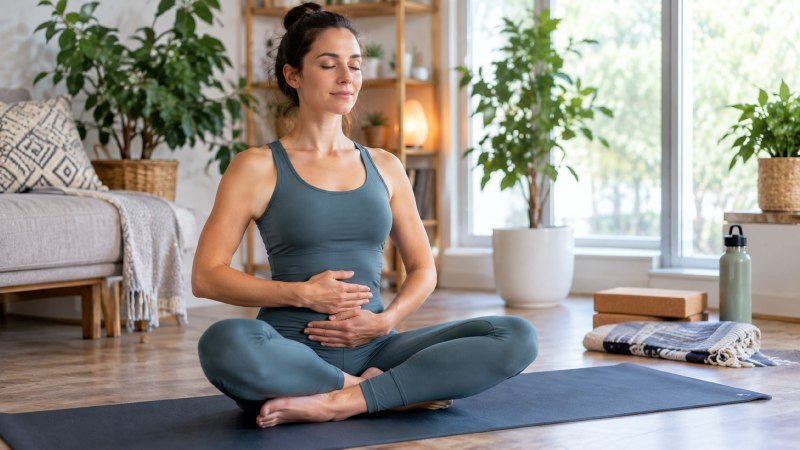
Supporting Gut and Emotional Wellbeing With Yoga for IBS and Anxiety
Digestive comfort and emotional wellbeing can both influence how comfortably someone moves through everyday life. Irritable bowel syndrome (IBS) is a digestive condition that can involve symptoms such as abdominal discomfort and changes in bowel habits, while anxiety and depression can affect mood, concentration, energy, and daily functioning. Although these concerns are distinct, practices that combine movement, breathing, and relaxation can have a useful place within a broader wellbeing approach. Gentle yoga for IBS can provide a low-impact option that can be adapted around digestive comfort. Similarly, restorative yoga for anxiety and depression may complement other wellbeing strategies while remaining separate from professional medical or mental health treatment.
How Yoga Can Complement IBS Management
For people exploring gentle yoga for IBS, slower movements and comfortable positions can provide a practical way to stay active while paying attention to how the body feels. Since IBS symptoms can vary in frequency and intensity, there is no single yoga approach that suits everyone. A flexible practice that avoids unnecessary strain may be more appropriate than demanding sequences, particularly during periods of digestive discomfort.
Cat-Cow Pose – Encourages gentle spinal movement while coordinating physical motion with steady breathing.
Knees-to-Chest Pose – Brings the knees toward the torso in a comfortable position that may support gentle abdominal awareness.
Supine Twist – Introduces controlled rotation through the torso while encouraging relaxed movement.
Child’s Pose – Provides a supported resting position that can encourage relaxation through the back and hips.
The goal is not to use individual poses as a treatment for IBS but to create a comfortable movement practice. Some people may prefer practising when digestive symptoms are less disruptive, while others may find slower movement useful as part of their regular routine. Anyone experiencing persistent, severe, or changing digestive symptoms should seek appropriate medical evaluation rather than relying on yoga alone.
Which Yoga Practices Can Complement Anxiety and Depression Support
For individuals considering restorative yoga for anxiety and depression, slower movement, focused breathing, and periods of rest can provide opportunities to develop body awareness and relaxation. Anxiety and depression are separate mental health concerns, and experiences can vary significantly between individuals. Yoga may complement broader wellbeing strategies, but it should not be presented as a standalone treatment.
Easy Pose – Provides a stable seated position for comfortable breathing and focused attention.
Supported Child’s Pose – Encourages physical relaxation through a supported and restful posture.
Tree Pose – Requires balance and concentration, creating an opportunity to focus attention on the present moment.
Corpse Pose – Allows the body to rest fully while providing a quiet transition at the end of practice.
Practitioners should pay attention to how their body and mind respond to different movements. If a particular pose creates physical discomfort, dizziness, agitation, or emotional distress, it can be modified or skipped. People experiencing persistent low mood, overwhelming anxiety, or symptoms that interfere with everyday functioning should consider seeking support from a qualified mental health professional.
How Breathing and Relaxation Can Support a Balanced Practice
Breathing can help connect physical movement with focused attention during yoga. Slowing the pace of transitions and maintaining comfortable, steady breaths can make a session feel less demanding and provide opportunities to notice physical tension. Rather than forcing a particular breathing pattern, beginners can focus on breathing comfortably and avoiding unnecessary strain.
Relaxation practices can also help create a more manageable experience. A quiet environment, supported positions, and brief pauses between movements may make it easier to stay attentive to how the body feels. This can be particularly useful when someone is adjusting their practice around changing digestive comfort or emotional energy.
The aim should not be to eliminate every uncomfortable sensation through yoga. Instead, practitioners can use movement and relaxation as complementary tools within a broader approach to wellbeing. Developing awareness of personal responses can help identify which movements feel appropriate on different days.
How Beginners Can Adapt Yoga to Their Needs
Beginners can start with a small number of comfortable poses rather than attempting a long or demanding sequence. Movements should be performed within a manageable range, with modifications used whenever necessary. During periods of digestive discomfort or emotional strain, reducing intensity or choosing restorative positions may be more appropriate than pushing through a challenging session.
Consistency is also easier to maintain when expectations remain realistic. A shorter practice that fits comfortably into everyday life can be more sustainable than occasional sessions that require significant effort. Over time, practitioners can gradually become familiar with different poses and learn which movements suit their individual needs.
It is important to recognise that symptoms can have causes that require professional assessment. Persistent abdominal pain, significant changes in bowel habits, unexplained weight changes, or other concerning digestive symptoms should be discussed with a healthcare professional. Similarly, ongoing anxiety, depression, or changes that interfere with daily functioning warrant appropriate mental health support.
Yoga can sit alongside these forms of care by providing movement, relaxation, and opportunities for body awareness. It should not be used to replace prescribed treatment or professional guidance.
Conclusion
Yoga can provide a flexible way to combine movement, breathing, relaxation, and body awareness within a broader wellbeing routine. The most appropriate practice will vary depending on individual comfort, symptoms, energy levels, and experience. Starting gradually and adapting movements when necessary can make sessions more sustainable. With realistic expectations, consistent practice, and appropriate professional support when needed, yoga can remain a useful complementary activity for both physical and emotional wellbeing.