How to Reduce Period Pain Naturally and Medically: Effective Relief for Menstrual Cramps
Menstrual pain, also known as dysmenorrhea, is a common problem that affects millions of girls and women every month. For some, the pain is mild and manageable, but for others, period pain can be severe enough to interfere with daily life, work, and emotional well-being. Understanding why period pain happens and how to reduce it safely can help women feel more in control of their health.
This article explains the causes of period pain, natural ways to reduce cramps, medical treatment options, and lifestyle changes that can provide long-term relief.
What Causes Period Pain?
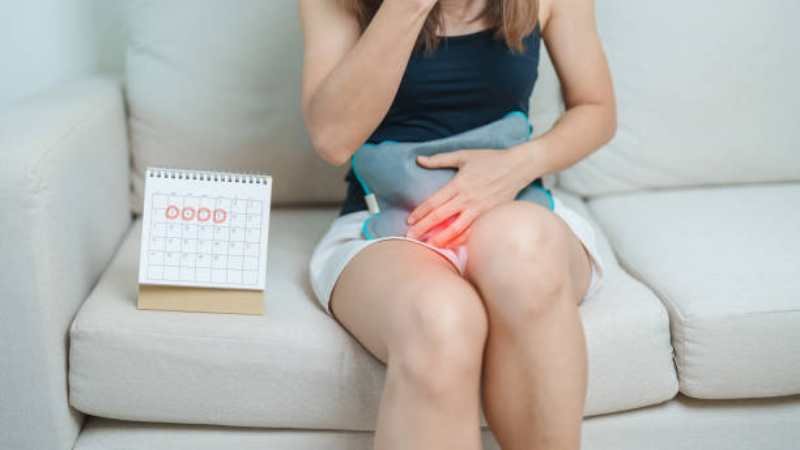
Period pain usually occurs when the uterus contracts to shed its lining during menstruation. These contractions are triggered by hormone-like substances called prostaglandins. When prostaglandin levels are high, uterine contractions become stronger, reducing blood flow and causing pain.
Common causes of period pain include:
- High prostaglandin levels
- Hormonal imbalance
- Stress and anxiety
- Lack of physical activity
- Conditions like endometriosis or fibroids
Understanding the cause helps in choosing the right treatment.
Types of Period Pain
1. Primary Dysmenorrhea
This is the most common type of period pain and is not linked to any medical condition. It usually starts a day or two before menstruation and lasts for 2–3 days.
2. Secondary Dysmenorrhea
This type of pain is caused by underlying health issues such as:
- Endometriosis
- Pelvic inflammatory disease (PID)
- Uterine fibroids
Secondary dysmenorrhea often gets worse over time and may require medical attention.
Natural Ways to Reduce Period Pain
Many girls prefer natural remedies to avoid side effects of medications. The following methods are safe and effective for most women.
Heat Therapy
Applying a heating pad or hot water bottle to the lower abdomen relaxes uterine muscles and improves blood flow, reducing cramps.
Regular Exercise
Light exercises such as walking, yoga, and stretching release endorphins, which act as natural painkillers.
Herbal Teas
Herbal teas like ginger tea, chamomile tea, and peppermint tea help reduce inflammation and relax muscles.
Proper Hydration
Drinking enough water helps prevent bloating and reduces abdominal discomfort during periods.
Abdominal Massage
Gentle circular massage on the lower abdomen improves circulation and eases muscle tension.
Foods That Help Reduce Period Pain
Diet plays a major role in menstrual health. Eating the right foods can significantly reduce cramps.
Recommended Foods
- Leafy green vegetables (spinach, kale)
- Omega-3 rich foods (fish, walnuts, flaxseeds)
- Fruits like bananas and berries
- Whole grains
Foods to Avoid
- Caffeine
- Salty foods
- Sugary snacks
- Processed foods
A balanced diet helps control hormone levels and inflammation.
Medical Treatment for Period Pain
When natural remedies are not enough, medical options can provide quick relief.
Pain Relief Medicines
Over-the-counter painkillers such as:
- Ibuprofen
- Naproxen
- Paracetamol
These medications reduce prostaglandin production and relieve pain.
Hormonal Birth Control
Birth control pills, patches, or hormonal IUDs can regulate periods and reduce cramps by controlling hormone levels.
Doctor Consultation
If period pain is severe or worsening, consulting a gynecologist is essential to rule out underlying conditions.
Lifestyle Changes for Long-Term Relief
Stress Management
Stress increases hormone imbalance and worsens cramps. Meditation, deep breathing, and adequate sleep are helpful.
Regular Sleep Schedule
Poor sleep can increase pain sensitivity. Aim for 7–8 hours of quality sleep.
Avoid Smoking
Smoking reduces blood circulation and can increase menstrual pain.
When Should You See a Doctor?
You should seek medical advice if:
- Period pain is unbearable
- Pain lasts longer than usual
- Periods are extremely heavy
- Pain does not improve with treatment
Early diagnosis can prevent complications and improve quality of life.
Why This Topic Is Important for Women’s Health
Menstrual pain is often ignored or normalized, but it should not be. Educating girls and women about safe pain management improves physical health, mental well-being, and productivity. Reliable health information also helps reduce myths surrounding menstruation.
Final Thoughts
Period pain is common, but suffering is not necessary. With the right combination of natural remedies, healthy lifestyle habits, and medical care when needed, menstrual pain can be effectively managed. Every girl deserves comfort, care, and accurate health information during her menstrual cycle.