Why a Bone Density Scan in San Diego Is Important for Long-Term Bone Health
Strong bones support movement, stability, and independence throughout life. However, bone strength can gradually change with age, hormonal shifts, nutrition, medical conditions, and lifestyle habits. Because these changes often happen without noticeable symptoms, people may not realize their bone density has declined until a fracture occurs. A bone density scan provides valuable information about bone mineral density and can help healthcare professionals identify low bone mass and evaluate osteoporosis risk. For people considering a bone density scan San Diego, understanding how this assessment works can make it easier to discuss appropriate screening with a healthcare provider. Early awareness, personalized guidance, and healthy daily habits can all contribute to better long-term bone health.
1. Understand What a Bone Density Scan Measures
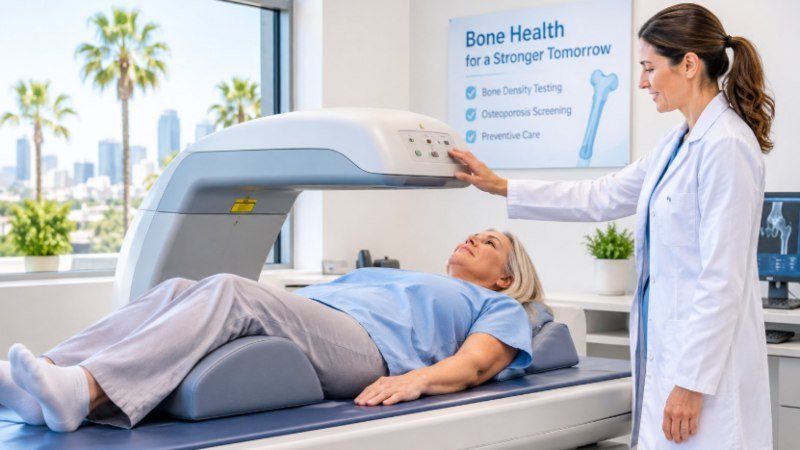
A bone density scan measures the amount of mineral content in specific bones, helping healthcare professionals evaluate bone strength and identify signs of bone loss. The most commonly used method is DEXA, short for dual-energy X-ray absorptiometry. This technology uses two low-dose X-ray beams to estimate bone mineral density (BMD), usually at the hip and lower spine.
Although bone density is an important part of bone strength, it does not describe every aspect of bone structure or quality. A scan provides measurements that can help identify reduced bone mass and evaluate the likelihood of osteoporosis-related fractures. Healthcare professionals interpret these findings alongside medical history, age, and other risk factors. A DEXA scan is an important assessment tool, but its results should not be treated as a complete diagnosis of every bone-related condition.
2. Identify Osteoporosis and Low Bone Density Early
Low bone density can develop gradually without causing pain or obvious physical changes. This makes appropriate osteoporosis screening important for people who may have an increased risk of bone loss. A bone density scan can help identify changes before a fracture brings the problem to attention.
Two terms commonly appear when discussing bone density:
- Osteopenia: Bone density is lower than the expected normal range but does not meet the diagnostic threshold for osteoporosis.
- Osteoporosis: A condition involving reduced bone strength that increases the likelihood of fractures.
A DEXA scan helps measure bone mineral density and provides information used in assessing these conditions. However, fracture risk is influenced by more than a single measurement. Age, previous fractures, medications, family history, and other health factors may also matter. Discussing results with a qualified healthcare professional helps individuals understand what their measurements mean and whether further evaluation or management is appropriate.
3. Understand Who May Benefit From a Bone Density Scan
Not everyone needs a bone density scan at the same age or at the same interval. Screening recommendations depend on individual risk factors, medical history, and clinical guidance.
The U.S. Preventive Services Task Force recommends osteoporosis screening for women aged 65 and older. It also recommends screening postmenopausal women younger than 65 who are considered at increased risk after an appropriate risk assessment. Evidence is currently insufficient for the Task Force to make a general screening recommendation for men, although healthcare professionals may recommend testing for men with relevant risk factors.
Other factors that may lead to an evaluation include:
- A family history of osteoporosis or hip fractures.
- A previous fracture following a minor fall or injury.
- Long-term use of certain medications, including glucocorticoids.
- Medical conditions that can affect bone metabolism.
- Early menopause or other significant hormonal changes.
- Low body weight or other recognized osteoporosis risk factors.
If you are unsure whether you need a bone density scan in San Diego, discuss your personal risk profile and screening options with your healthcare provider.
4. Recognize Factors That Can Affect Long-Term Bone Health
Bone is living tissue that constantly undergoes a process called remodeling. Old bone is broken down and replaced with new tissue. As people age, this balance can change, and bone loss may occur faster than new bone formation.
Several factors can influence this process. Calcium supports the structure of bones, while vitamin D helps the body absorb calcium. Inadequate intake of these nutrients may affect bone health over time. Regular weight-bearing activities, such as walking, and muscle-strengthening exercises can also help support bone strength.
Other factors deserve attention:
- Smoking: Tobacco use is associated with poorer bone health.
- Excessive alcohol consumption: Heavy alcohol use can contribute to bone loss and increase fall risk.
- Hormonal changes: Reduced estrogen after menopause can accelerate bone loss.
- Certain medications: Long-term use of some medicines may affect bone density.
- Medical conditions: Some endocrine, digestive, and inflammatory conditions can influence bone metabolism.
Understanding these risk factors can help individuals make informed lifestyle decisions and discuss appropriate prevention strategies with a healthcare professional.
5. Learn How DEXA Scan Results Are Interpreted
A DEXA report includes measurements that help healthcare professionals evaluate bone mineral density. Two commonly reported values are the T-score and Z-score. Each compares a person’s bone density with a different reference group.
What Is a T-Score?
A T-score compares bone mineral density with the average measurement of a healthy young adult reference population. For postmenopausal women and men aged 50 and older, the general categories are:
- -1.0 or above: Normal bone density.
- Between -1.0 and -2.5: Low bone mass, commonly called osteopenia.
- -2.5 or below: Bone density in the osteoporosis range.
These categories help clinicians classify bone density, but they do not provide the complete picture of an individual’s fracture risk.
What Is a Z-Score?
A Z-score compares bone density with measurements from people of similar age and sex. It can help healthcare professionals identify whether a person’s bone density is lower or higher than expected for their age group.
Results should be interpreted alongside medical history, previous fractures, medications, and other clinical information. Depending on the findings, a healthcare professional may recommend additional evaluation, lifestyle changes, treatment, or follow-up testing.
6. Understand the Benefits of Regular Bone Health Monitoring
Bone density monitoring can help healthcare professionals evaluate changes in bone mineral density over time. For individuals with osteoporosis, osteopenia, or other relevant risk factors, follow-up testing may provide useful information about whether bone density has remained stable, improved, or declined.
Monitoring may also help clinicians assess how a person is responding to an osteoporosis treatment plan. However, repeat testing is not necessary at the same interval for everyone. The timing depends on the initial results, age, fracture risk, treatment status, and other clinical circumstances.
A follow-up DEXA scan can be particularly useful when a healthcare professional needs to compare current measurements with earlier results. Consistent testing methods and appropriate intervals help make comparisons more meaningful.
The goal of bone density monitoring is not simply to collect measurements. It is to support informed decisions about medical care, lifestyle adjustments, and long-term bone health. Follow the testing schedule recommended by your healthcare provider rather than arranging scans more frequently than necessary.
7. Prepare for Your Bone Density Scan in San Diego
Preparing for a DEXA scan is generally straightforward. Most patients can expect a quick, noninvasive appointment that does not require anesthesia or recovery time. However, following the imaging facility’s instructions can help the procedure go smoothly.
Before your appointment, you may be asked to:
- Wear comfortable clothing without metal zippers, buttons, or other components near the scan area.
- Remove jewelry or accessories that could interfere with imaging.
- Avoid calcium supplements for a specified period before the scan if instructed by the facility.
- Inform the imaging provider if you are pregnant or may be pregnant.
- Mention any recent barium examination or contrast injection, as these may affect scan scheduling.
During the procedure, you generally lie on an examination table while the scanner measures selected areas, commonly the hip and lower spine. You may need to remain still while images are taken.
A bone density scan uses a low dose of X-ray radiation and is generally quick and painless. Exact appointment times and preparation requirements can vary by facility and scan type, so confirm the instructions before your visit.
8. Explore the Relationship Between Bone Health and Overall Wellness
Bone health affects more than the skeleton. Strong bones help support movement, balance, and the ability to perform everyday activities. When bone strength declines, a fracture can have a significant impact on mobility and independence, particularly among older adults.
Hip and spinal fractures may require medical treatment and rehabilitation. Some people experience lasting difficulties with walking, household activities, or returning to their previous routines. This is why bone health deserves attention as part of a broader approach to healthy aging.
Daily habits can help support overall physical function. Balanced nutrition provides nutrients needed for bone maintenance, while regular physical activity supports bone and muscle health. Strength training and balance exercises may also help reduce fall risk when performed safely and appropriately.
A bone health assessment can provide useful information when combined with other preventive healthcare measures. Understanding individual risk factors gives people an opportunity to discuss practical steps for protecting mobility, independence, and quality of life.
9. Choose a Bone Density Scan Provider in San Diego
Choosing a provider for a bone density scan in San Diego involves more than finding an available appointment. Patients should understand what type of testing is offered, how the procedure is performed, and who will review the results.
Consider the following points when comparing providers:
Confirm the Type of Scan Available
Ask whether the facility offers DEXA bone density testing and which areas are assessed. Standard osteoporosis evaluations commonly measure the hip and lower spine.
Understand Preparation Requirements
A provider should explain what to wear, whether calcium supplements need to be paused, and whether any medical information should be shared before the appointment.
Ask How Results Are Reviewed
Find out how the bone density report is delivered and whether a qualified healthcare professional will explain the findings. Understanding the T-score, Z-score, and their clinical relevance is important.
Review Costs and Appointment Details
Ask about scan pricing, insurance coverage, scheduling, and any additional consultation fees. Also clarify whether the service includes only bone density measurement or other health assessments.
Clear communication can make the process easier to navigate. Choose a provider that explains the procedure, answers questions, and helps you understand the appropriate next steps for your bone health.
10. Support Long-Term Bone Health With Preventive Assessments and Healthy Habits
A bone density scan can provide useful information, but long-term bone health also depends on everyday habits and appropriate medical guidance. Include calcium-rich foods in a balanced diet and discuss vitamin D needs with a healthcare professional. Regular weight-bearing activities, such as walking, and muscle-strengthening exercises can support bone and muscle health.
Avoiding tobacco and limiting excessive alcohol consumption may also help protect bone health. If you have risk factors for osteoporosis, ask whether screening or follow-up testing is appropriate. Combining preventive assessments with sustainable lifestyle choices can support healthier aging and help you make informed decisions about your long-term well-being.
Frequently Asked Questions About Bone Density Scans in San Diego
1. What Is a Bone Density Scan Used For?
A bone density scan measures bone mineral density, usually at the hip and lower spine. A DEXA scan can help healthcare professionals identify low bone mass, evaluate osteoporosis, and assess information related to fracture risk. Results are interpreted alongside personal health history and other risk factors.
2. Who Should Get a Bone Density Scan?
Screening recommendations depend on age, sex, menopause status, medical history, and individual fracture risk. The USPSTF recommends screening for women aged 65 and older and for younger postmenopausal women at increased risk. Other individuals may also need testing based on clinical circumstances.
3. How Long Does a DEXA Bone Density Scan Take?
A DEXA scan is generally quick and noninvasive. The patient lies on an examination table while the scanner measures selected areas of the body. The exact appointment time can vary depending on the facility and the type of scan being performed.
4. Is a Bone Density Scan Safe?
DEXA uses a very low dose of X-ray radiation. It is generally considered a safe and well-established method for measuring bone mineral density. However, patients should inform the imaging provider if they are pregnant or may be pregnant before the procedure.
5. How Often Should I Get a Bone Density Scan?
There is no single testing interval that applies to everyone. Follow-up frequency depends on initial results, age, fracture risk, treatment, and other clinical factors. A healthcare professional can recommend whether and when another scan is appropriate.
Final Thoughts :
Understanding bone strength can help you make more informed decisions about long-term health. A DEXA bone density scan provides useful measurements that healthcare professionals can use to evaluate low bone density and osteoporosis risk. If you are considering a bone density scan in San Diego, speak with a qualified provider about your screening needs, preparation instructions, and available testing options. Contact Timely Health to learn more about its DEXA services and discuss how a bone health assessment may fit into your broader wellness goals.