
What Families Should Know Before Choosing a Cremation Provider
Choosing how to handle the cremation of a loved one is one of the most significant decisions a family makes in the immediate aftermath of loss. It happens at a time when grief is acute, clarity is difficult, and the pressure to make decisions quickly can feel overwhelming. Having some foundational knowledge about what cremation involves, what options exist, and what to look for in a provider makes that process less daunting and helps ensure that the choices made reflect the wishes of the family and the person being honoured.
A trusted Crematorium in Toronto provides more than a facility and a process. It provides guidance, transparency, and the kind of compassionate professionalism that allows families to navigate arrangements with confidence, rather than uncertainty. Understanding what that relationship should look like is part of being prepared before the need arises.
The Role of the Funeral Home and the Crematorium
One of the most frequently misunderstood aspects of the cremation process is the relationship between the funeral home and the crematorium. In Ontario, the funeral home manages the legal and logistical dimensions of the death care process. This includes registering the death, securing the burial permit and the Coroner’s Cremation Certificate, preparing and signing the Cremation Application, and managing the transfer of the deceased from the place of death.
The crematorium is the licensed facility where the cremation itself takes place. In many cases, families work with a funeral home that they know and trust, and that funeral home coordinates directly with the crematorium on their behalf. Understanding this distinction helps families ask the right questions of the right people, rather than expecting the crematorium to handle steps that fall within the funeral home’s scope of responsibility.
Direct Cremation: What It Includes and Who It Suits
Direct cremation is the simplest and most cost-effective form of cremation service. No formal ceremony precedes the cremation.After completing the necessary documentation, the team transfers the deceased to the crematorium, where they carry out the cremation with full care and respect.
Families who choose direct cremation typically prefer to hold a private memorial or celebration of life at a later time and place of their own choosing.
This option suits families who want flexibility in how they honour their loved one, those for whom cost is a significant consideration, and those navigating arrangements from a distance. It is also chosen by individuals who have prearranged their own end-of-life wishes and specified a preference for simplicity. Direct cremation does not mean a diminished level of care in the cremation process itself; it simply removes the structured ceremony that precedes it.
Witnessed Cremation: Presence and Closure
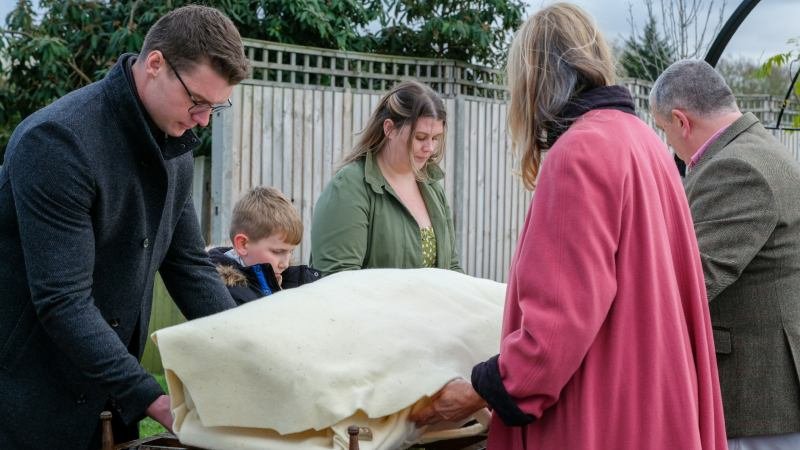
Witnessed cremation offers families the opportunity to be present at the crematorium during the beginning of the cremation process. For some families, this presence provides a meaningful sense of closure and participation that they would not otherwise have. It can also fulfill cultural or religious requirements that call for family attendance at specific stages of the death care process.
A respectful witnessed cremation facility provides a comfortable gathering space and guides families through what to expect with clarity and gentleness. The environment should feel peaceful and private, allowing those present to mark the moment in whatever way is meaningful to them, whether through prayer, a moment of silence, or simply being together. This service requires coordination between the funeral home and the crematorium to manage timing and logistics with precision.
What Modern Crematorium Facilities Look Like
State-of-the-art cremation facilities reflect significant advances in technology and environmental responsibility. Modern cremation chambers operate with greater efficiency than older equipment, reducing energy consumption and emissions. Environmental compliance is a regulatory requirement in Ontario, and reputable crematoriums invest in equipment and processes that meet or exceed provincial standards.
The physical environment of a quality facility is designed around the needs of families at a difficult time. Comfortable private spaces for witnessed services, accessible facilities, and a calm atmosphere all contribute to an experience that is dignified rather than clinical. When evaluating a crematorium, a facility visit or virtual tour can help families determine whether the environment aligns with what they are looking for.
Questions to Ask a Cremation Provider
A cremation provider who answers these questions directly, without deflection or pressure, is demonstrating the kind of transparency that should characterize every part of the relationship. End-of-life care is not an area where ambiguity should be acceptable.
Grief Support and What Comes After
The practical work of cremation is part of a larger process of loss and grief that continues long after the arrangements are complete. Families navigating that process benefit from providers who understand that their responsibility does not end when they return the cremated remains. Guidance on memorialization options, referrals to grief support resources, and compassionate follow-up communication are all part of what a genuinely caring cremation provider offers.
Choosing a provider based on these qualities, rather than price alone, tends to produce a much more supported experience. The cost difference between providers is often smaller than anticipated, while the difference in care and communication can be significant. Taking the time to find a provider whose values align with your family’s expectations is one of the most meaningful decisions you can make at a genuinely difficult time.


