NAD IV Therapy: What It Is, How It Works, and Why It Has the Attention of the Wellness World
Wellness clinics that offer NAD IV therapy typically position it within a broader program of cellular health and recovery support. To evaluate whether that context makes sense, it helps to start with the biology before moving to the applications.
What NAD Actually Is
Nicotinamide adenine dinucleotide, abbreviated as NAD, is a coenzyme found in every cell of the human body. It plays a central role in metabolic processes, most importantly in the conversion of nutrients into cellular energy through the electron transport chain. Without adequate NAD, cells cannot produce energy efficiently, and a range of biological functions begin to degrade.
NAD also participates in DNA repair processes and in the activation of sirtuins, a family of proteins linked to cellular aging, stress response, and gene expression regulation. Research published in Cell Metabolism and other peer-reviewed journals has explored the relationship between declining NAD levels and the biological processes associated with aging, including reduced mitochondrial function and increased cellular vulnerability to oxidative stress.
Why NAD Levels Decline Over Time
Oral supplementation with NAD precursors such as nicotinamide riboside and nicotinamide mononucleotide has been studied as a way to replenish cellular NAD levels. IV administration bypasses the digestive system entirely, delivering the compound directly into the bloodstream and, according to proponents, achieving higher bioavailability than oral supplements. Clinicians use IV delivery in clinical wellness settings rather than simply directing clients to a supplement shelf.
Reported Applications in Wellness Programs
In the wellness context, the applications center on supporting mitochondrial function, reducing cognitive fatigue, and accelerating recovery timelines for athletes or people under significant physical or mental load. These are not therapeutic claims in the regulatory sense; practitioners and clients report them as functional outcomes, and ongoing and evolving clinical evidence supports them.
What a Treatment Session Involves
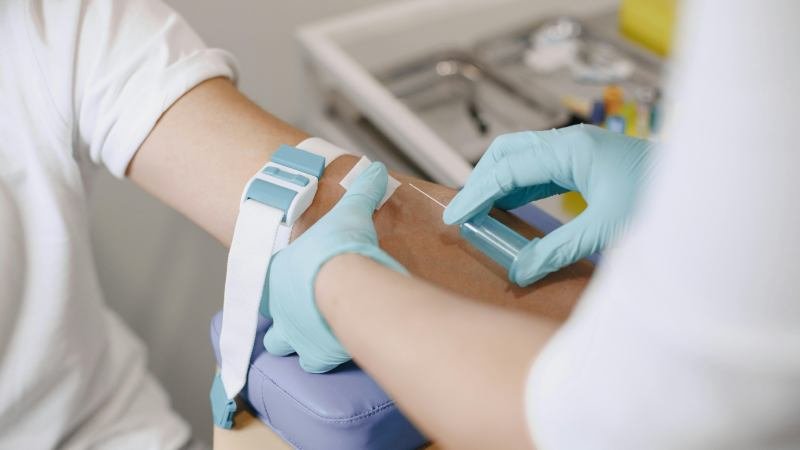
Registered nurses or licensed clinical staff administer NAD IV sessions in a clinical or spa-adjacent setting designed for comfort during what can be a lengthy infusion. These sessions typically run between two and four hours, depending on the dose and the individual’s tolerance.
How to Evaluate Whether It Makes Sense for You
Anyone considering NAD IV therapy should approach a licensed provider who conducts a proper health assessment before treatment.Clinicians should include current medications, existing health conditions, and realistic expectations about what the therapy is designed to support in the conversation.
NAD IV therapy does not cure any condition, and it works best as part of a broader wellness program that includes sleep, nutrition, movement, and stress management.


