
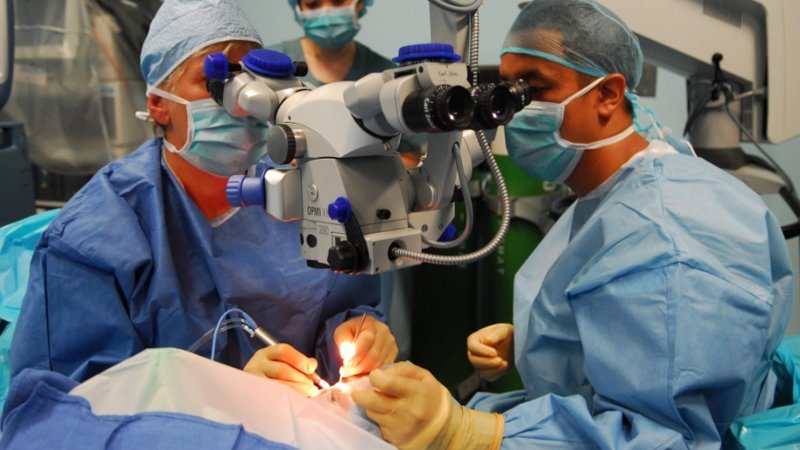
When Does Vision Become Clear After Cataract Surgery?
Cataract surgery is performed to remove the cloudy natural lens of the eye and replace it with a clear artificial lens. Because the goal of the procedure is better sight, many patients naturally wonder when vision will become clear. Some people notice improvement within a day or two, while others experience blur, glare, watering, or mild fluctuations for a short period as the eye heals. This difference can feel confusing, especially when expectations are shaped by stories from friends or family members who recovered at a different pace.
Clear vision after cataract surgery usually develops in stages. The eye needs time to settle, inflammation must reduce, and the brain may need to adjust to the new visual signal. Early improvement is common, but final clarity may take longer depending on the patient’s eye health, lens choice, prescription needs, and healing response. Understanding this timeline helps patients avoid unnecessary worry while also recognizing when symptoms deserve medical attention.
What Should You Expect From Vision After Cataract Surgery?
Many patients focus on the procedure itself, but their primary concern is how well they will see afterward. Visual improvement often begins quickly, yet eyesight rarely reaches its final state immediately after surgery. The healing eye must adapt to the new intraocular lens, inflammation must decrease, and visual processing may require a short adjustment period. Patients looking for a complete explanation of visual outcomes, adaptation, and long-term expectations should review detailed information about vision after cataract surgery.
Post-surgical eyesight typically changes in stages rather than all at once. Early improvements may include sharper focus, brighter colors, and reduced cloudiness because the opaque natural lens has been replaced. As healing progresses, visual acuity often becomes more stable and daily activities such as reading, driving, and recognizing distant objects may feel easier. Some patients notice temporary fluctuations during recovery, while others experience steady improvement from the first few days onward. Follow-up examinations help confirm that the eye is healing correctly and that the implanted lens is delivering the expected visual benefit. Long-term outcomes depend on factors such as overall eye health, pre-existing conditions, and adherence to post-operative care instructions. Understanding the normal progression of visual improvement helps patients set realistic expectations and evaluate recovery based on objective milestones rather than day-to-day changes. A clear understanding of expected outcomes also makes it easier to recognize when additional medical evaluation may be appropriate.
Why Vision May Not Be Perfect Immediately
Even when cataract surgery goes smoothly, the eye has still gone through a medical procedure. Mild swelling, surface dryness, light sensitivity, and inflammation can temporarily affect clarity. The incision is small, but the eye is delicate, and its healing process can behave like a quiet workshop behind a closed door. Patients may see better than before surgery, yet still notice blur at certain distances or changes throughout the day.
The artificial lens also changes how the eye focuses light. For many patients, this change brings a dramatic improvement because surgery removes the cloudy lens. However, the brain may need time to interpret the clearer visual signal, especially if the patient had poor vision before surgery. If a cataract still affects the second eye, the difference between the two eyes can make vision feel uneven until doctors treat the second eye or patients correct the imbalance with glasses.
The First Few Days After Surgery
During the first few days, vision may look brighter but not fully sharp. Some patients describe a mild haze, watery vision, glare, or a feeling that focus comes and goes. These symptoms often improve as swelling decreases and prescribed eye drops begin controlling inflammation. Patients should avoid rubbing the eye, follow medication instructions carefully, and use any protective shield recommended by the surgeon.
How Vision Usually Improves Over Time
Many patients notice meaningful improvement within the first week. Colors may look cleaner, indoor lighting may feel more natural, and faces or objects may appear sharper. However, reading clarity, distance vision, or night vision may continue changing for several weeks. The eye is not a camera lens swapped in a machine; it is living tissue, and living tissue prefers gradual progress over theatrical entrances.
By the time patients complete their follow-up visits, the surgeon can better assess whether healing is progressing as expected and whether the patient needs glasses or prescription adjustments. Some patients may still need reading glasses or distance correction depending on the type of lens implanted and their visual goals. Others may experience strong unaided vision for many daily tasks. The final result depends on surgical planning, eye measurements, lens selection, and the health of the retina, cornea, and optic nerve.
What Can Affect the Speed of Visual Clarity?
Several factors influence how quickly vision becomes clear. Patients with healthy eyes apart from cataracts may recover clarity faster than those with additional conditions such as dry eye, macular degeneration, diabetic eye disease, glaucoma, corneal irregularities, or previous eye surgery. Inflammation levels, medication use, age, general health, and healing response can also influence recovery.
The type of intraocular lens matters as well. A standard monofocal lens may provide strong clarity at one main distance, while premium lens designs may require more adaptation because manufacturers create them to support multiple visual ranges.Patients should understand that “clear vision” may mean different things depending on the surgical plan. For one person, it may mean sharp distance vision. For another, it may mean reduced dependence on glasses across several tasks.
When Temporary Blur Is Expected
Temporary blur after cataract surgery can happen for ordinary healing reasons. Dryness on the eye’s surface can make vision fluctuate, especially during reading or screen use. Mild swelling can soften focus. Eye drops may briefly blur vision after application. Bright light may feel intense because the eye is adjusting to a clearer lens. These changes are often manageable and improve with time.
However, patients should not assume every symptom is normal.If your vision suddenly worsens, your pain increases, your redness becomes severe, flashes or new floaters appear, or a curtain-like shadow develops, you should contact your surgeon promptly.
General vision health discussions, including resources about when eye trouble may need specialist attention, can help patients understand why unusual symptoms should be evaluated rather than brushed aside.
How Cataract Surgery Differs From Other Vision Procedures
Patients sometimes compare cataract surgery with laser vision correction, but the two procedures solve different problems. Cataract surgery removes a cloudy natural lens and replaces it with an artificial lens. Laser vision correction changes the shape of the cornea to treat certain refractive errors. Both can improve vision, but recovery expectations, candidacy, and outcomes are not identical.
Patients researching different approaches to vision correction may find it useful to read about LASIK surgery considerations, especially when comparing refractive procedures with cataract treatment. Still, anyone recovering from cataract surgery should follow cataract-specific instructions from their own surgeon. Borrowed advice from another procedure can create confusion and may not match the healing needs of the operated eye.
Why Follow-Up Appointments Matter
Follow-up appointments help confirm that the eye is healing properly and that vision is improving as expected. The surgeon may check eye pressure, inflammation, the position of the artificial lens, and overall visual function. These visits also give patients a chance to discuss symptoms that may be worrying them, such as glare, fluctuating focus, dryness, or difficulty with reading.
Skipping follow-up care can make recovery feel like navigating with a foggy map. Even if vision seems better, the eye still needs professional monitoring. A surgeon can identify early concerns before they become larger problems and can advise when driving, work, exercise, and other activities are safe to resume.
Brand Section: Eye Surgery Today
Eye Surgery Today provides patient-focused education for people who want to understand eye conditions, surgery expectations, and recovery experiences in practical language. For cataract patients, clear information can reduce worry and make the healing process easier to follow. Knowing what changes are common, what symptoms require attention, and how visual improvement usually develops helps patients feel more prepared before and after treatment.
The value of this type of educational resource is its connection between medical detail and everyday life. Patients do not only want technical explanations; they want to know when reading will feel easier, when lights will stop feeling harsh, and when the world will look steady again. Patient-centered guidance helps turn those questions into informed conversations with an eye care professional.
Conclusion
Vision often begins improving soon after cataract surgery, but final clarity usually develops gradually. Some patients see noticeably better within days, while others need several weeks for inflammation to settle, dryness to improve, and the eye to adapt to the new lens.Temporary blur, glare, or fluctuation can occur during normal healing, but you should always have a healthcare professional evaluate any sudden worsening or severe symptoms.
The clearest recovery expectations come from combining patience with proper follow-up care. Patients should use prescribed drops, protect the eye, avoid unsafe activities, and attend scheduled appointments. Cataract surgery can restore brightness and clarity, but the eye needs time to complete its careful work. When healing is respected, clearer vision has the best chance to arrive steadily and stay strong.


