
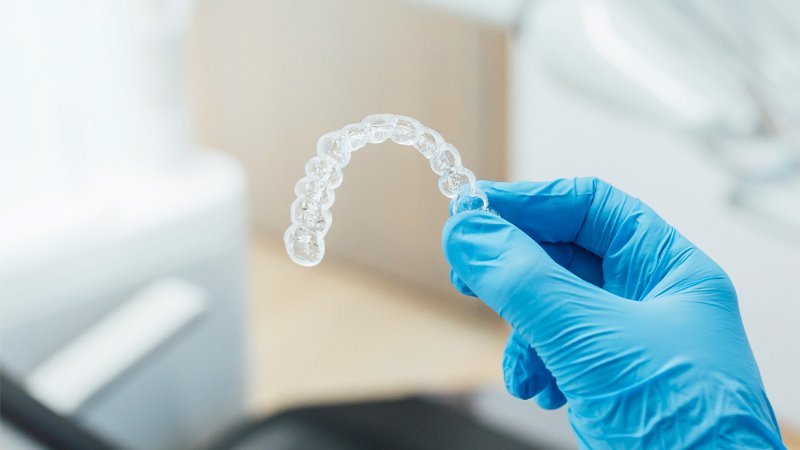
Orthodontic treatment has become far more accessible with the arrival of clear aligner systems. Patients now have a structured, step-by-step path to a straighter smile without traditional metal brackets. Each phase of the process connects to the next with clear clinical intent and measurable results.
The method relies on precision tools, detailed records, and close orthodontic supervision at every stage. This article breaks down the full, clear aligners in Johns Creek so patients know exactly what to expect from start to finish.
First Digital Scan
The treatment process in Johns Creek starts with a full digital scan of the mouth. A small handheld device captures every curve, angle, and surface of the teeth in minutes. The scan produces a precise 3D model that the orthodontist uses to plan the full movement sequence. This digital record becomes the foundation for every tray that follows, so accuracy at this stage is critical.
Custom Precise Plan
Once the digital model is ready, the orthodontist creates a detailed plan to move the teeth. They calculate each shift based on bone structure, bite alignment, and the desired final position.The plan outlines exactly how many trays the patient will need and how long each phase will take. This level of detail allows the orthodontist to set realistic timelines and define clear treatment goals from the start.
Tray Batch Print
The approved plan goes directly into production as a full set of custom trays. Each tray is fabricated to apply gentle, controlled pressure to specific teeth at specific stages.
Here is what patients in Johns Creek should know about their tray set:
- Each tray is worn for a set number of days before the patient moves to the next one in the sequence.
- The trays arrive in numbered batches, so patients always know where they are in the treatment plan.
- Every tray is trimmed to fit the natural gum line for comfort and a secure fit.
- Patients receive clear instructions on the order of use and how to store unused trays properly.
Daily Wear Routine
Consistency with daily wear is one of the most important factors in treatment success. Each tray must stay in the mouth for the recommended number of hours every day to apply the correct amount of pressure. Trays should be removed only for meals, water with additives, and oral care. Patients in Johns Creek who reduce daily wear time experience delays that extend the overall treatment period.
Regular Progress Check
Patients who pursue clear aligners in Johns Creek attend scheduled check-in visits throughout treatment. These appointments allow the orthodontist to confirm that the teeth are moving according to the approved plan. If adjustments are needed, the orthodontist can modify the plan and order refinement trays. X-rays or updated scans may be taken at certain checkpoints to assess bone and root health. These visits are not optional; they are a built-in part of treatment that protects the final outcome.
Final Retainer Phase
Once patients wear the final tray and their teeth reach the desired positions, the retainer phase begins. The retainer keeps the teeth in place while the surrounding bone and tissue stabilize.The orthodontist determines how many hours per day patients should wear the retainer based on individual factors. This phase remains just as important as the active treatment period for preserving long-term results.
A structured, clear aligner process in Johns Creek delivers results only when each phase receives full attention and commitment. From the first scan to the final retainer, every step has a direct impact on the outcome. Patients who stay consistent with wear time and attend all scheduled visits put themselves in the strongest position for success.