
Consistent Use of Red Light Therapy: Evidence-Based Support for Cellular Energy and Daily Recovery
The rise in interest in red light therapy (RLT) has made it one of the fastest-growing trends in wellness technology. People are now increasingly using red light therapy with specialized devices designed for at-home use, such as wearables and facial masks. However, most people using red light therapy have an important question: How often should you use red light therapy to experience its potential benefits?
Current research suggests that red light therapy supports the normal cellular processes of the body rather than producing any immediate, drastic changes. This means, like most other healthy habits, such as exercise, balanced nutrition, and good sleep, the benefits of RLT are expected to build gradually over time.
This is why consistency is one of the most critical factors you must not ignore when incorporating red light therapy into your routine.
This article explains how consistent use of red light therapy can improve your cellular energy and daily recovery and provides strategies for incorporating RLT into your wellness routine.
Why Consistency Matters in Red Light Therapy and Modern Wellness Routines
Most wellness practices deliver better benefits when they are used consistently rather than occasionally, even if those occasional sessions are intensive. For instance, exercises can strengthen your muscles only when you train regularly. Similarly, balanced nutrition can improve your health more effectively when it is a part of your daily food choices.
Evidence from research suggests that red light therapy follows a similar pattern. RLT works by supporting the natural biological processes of the body, which tend to respond best to consistent, moderate exposure rather than infrequent, lengthy sessions.
Consistency is also more likely to make it easier for you to incorporate RLT into your everyday life, simply because a 10- to 20-minute session several times a week can feel more realistic than sporadic, extended treatments.
Most importantly, creating a consistent routine also increases the likelihood that RLT will become a sustainable wellness habit rather than a short-term experiment.
How Red Light and Near-Infrared Light Interact With Cellular Energy Pathways
RLT devices typically deliver red and near-infrared light with wavelengths between 630 and 850 nm. These wavelengths can penetrate the skin and reach underlying tissues, supporting the production of cellular energy by stimulating mitochondria.
Mitochondria generate energy molecules called adenosine triphosphate (ATPs), which provide the energy cells need to perform their biological processes.
Research suggests that the absorption of red and near-infrared light by mitochondria leads to an increase in the production of ATPs, thereby promoting energy at the cellular level. These mechanisms increase the availability of fuel to the body, allowing cells to perform repair and recovery processes more efficiently.
In addition, red and near-infrared light are non-ionizing in nature. This means they have the ability to interact with tissues differently than ultraviolet light does, which is known to cause damage to DNA and potentially trigger illnesses. This makes RLT a safer choice for supporting your health and recovery.
Understanding Photobiomodulation and Its Role in Supporting Cellular Function
Photobiomodulation is the scientific term used to describe how light influences biological tissues of our body. The term “photo” refers to light, while the term “modulation” means modification or regulation. So, photobiomodulation basically refers to the mechanisms by which specific wavelengths of light interact with the body’s cells and influence certain biological activity.
The results of studies that evaluated the impact of photobiomodulation on skin health, exercise recovery, and musculoskeletal wellness are encouraging, with researchers emphasizing that outcomes depend on several variables related to RLT devices and sessions, including wavelength, intensity of light, and the frequency and duration of sessions.
This implies that people may use red light therapy as a supportive wellness technology to complement healthy lifestyle practices rather than as a cure or replacement for medical care.
Why Recovery Is Becoming a Daily Wellness Practice Beyond Exercise
Factors such as working for prolonged hours at a desk, performing physically demanding jobs, poor sleep, frequent travel, and chronic stress place excessive demands on the body. These challenges have made recovery a necessity for maintaining health, even for people who do not participate in regular exercise programs.
This is why recovery is no longer viewed only in terms of athletic performance or post-workout repair. Today, people recognize it as the key demand for supporting their overall health.
This understanding of recovery has influenced several aspects of wellness technology. People have started emphasizing daily wellness practices, such as stretching, medication, massage, adequate sleep, balanced nutrition, and stress management, to maintain their physical and emotional well-being.
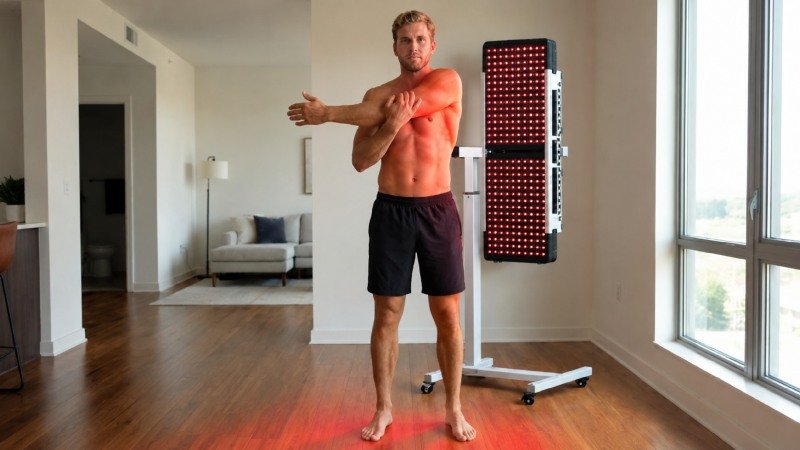
Red light therapy fits naturally within this trend. It is no longer reserved only for elite athletes and sportspersons. Many people have started incorporating it into their routines for supporting relaxation, muscle comfort, skin health, and general wellness.
This shift reflects a movement toward proactive self-care, which involves adopting small daily habits that contribute to long-term health and better quality of life.
Factors That Influence a Consistent and Effective Light Therapy Routine
Here are some tips and strategies you can follow to develop a consistent and effective light therapy routine:
- Choose a device that fits your lifestyle rather than selecting the one with the highest technical specifications. A device that is easy and convenient to use is more likely to become part of a regular, sustainable routine.
- Consider choosing devices that incorporate advanced engineering technologies, such as dual-chip LEDs, multiple wavelengths, flicker-free operation, and enhanced safety certifications to increase the chances of seeing the intended benefits.
- Follow the instructions of the manufacturer for treatment distance, session duration, and frequency. Remember that more exposure is not always better. Also, excessively long sessions are unlikely to provide any additional benefits.
- Combine RLT with other wellness habits, such as regular physical activity, balanced nutrition, adequate hydration, stress management, and quality sleep, to promote comprehensive improvement in cellular function and overall wellness.
The Future of Red Light Therapy as Part of Everyday Health Habits
Future innovations in device engineering may make RLT more personalized, convenient, and easier to incorporate into your daily life.
Manufacturers such as BestQool are now exploring new panel designs, wearable devices, broader wavelength combinations, and smarter control systems. BestQool is also introducing advanced red light therapy devices with advanced features, including dual-chip LED technology, multi-wavelength configurations, and flicker-free designs, reflecting its commitment to enhancing engineering quality and user experience.
Further research into photobiomodulation may provide meaningful insights into how people can integrate red light therapy more effectively into everyday wellness routines.
Final Thoughts
Red light therapy, like other wellness habits such as exercise, healthy eating, or quality sleep, appears to work best when used as a part of a balanced lifestyle. It represents an interesting intersection of wellness, technology, and biological research.
Current evidence suggests that consistent, long-term use of RLT could enhance the potential benefits it offers. It may not be a replacement for any medical treatment but could improve your health by supporting normal cellular function, promoting recovery, and enhancing overall well-being.