
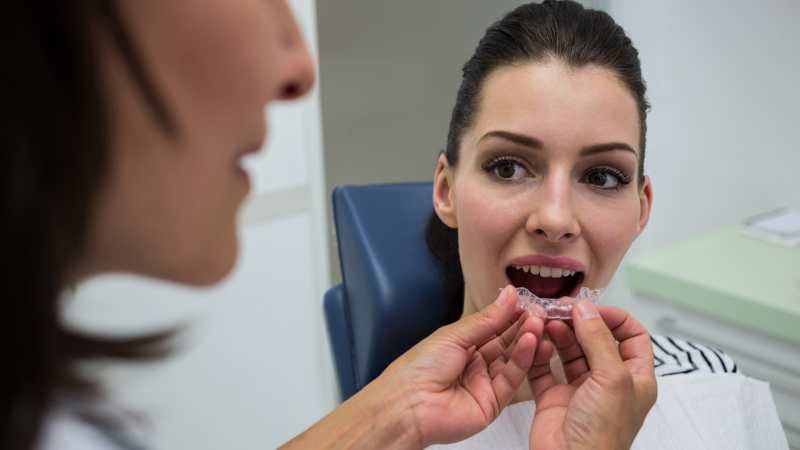
Starting Invisalign can feel like a big change, yet it opens the door to a straighter smile with less hassle than traditional braces. The process depends on daily habits that shape results over time. Understanding what to expect during the early weeks helps anyone use Invisalign more effectively and stay on track for the best outcome.
This guide introduces practical steps that keep aligners clean, comfortable, and effective. It explains how small actions, like wearing them for the right amount of time, cleaning them properly, and following the treatment schedule, create steady progress. With the right approach, Invisalign becomes a simple part of everyday life.
Wear aligners 20-22 hours daily for optimal results
To move teeth effectively, aligners should stay in place for about 20 to 22 hours each day. This schedule allows enough pressure to guide teeth gradually into better alignment. Removing them too often can slow progress and extend treatment time.
Most patients wear aligners during sleep, which helps meet the daily goal with less effort. Meals and brushing are the main times they should be taken out. Putting them back in right after eating keeps treatment steady and predictable.
Those starting transparent aligner treatment in Fort Lauderdale can expect the team to explain how to manage this schedule with ease. Consistent habits make a clear difference in results, whether treatment lasts a few months or longer.
A short routine helps most people stay on track. Setting reminders or using an app to track wear time adds accountability and avoids skipped hours. Over time, wearing aligners becomes part of daily life, leading to smoother progress and stronger results.
Clean aligners with a soft brush and lukewarm water daily
Daily cleaning keeps Invisalign aligners clear and odor-free. Patients should remove their trays and rinse them under lukewarm water after meals or drinks other than water. Hot water can warp the plastic, so it should always be avoided.
A soft toothbrush helps remove buildup without scratching the aligner surface. Mild, clear soap works better than toothpaste, which can be too abrasive. Using gentle pressure helps maintain the shape and clarity of each tray.
Some people prefer to soak their aligners once a day in a cleaning solution made for dental trays. This step helps remove bacteria that brushing can miss. After soaking, the trays should be rinsed well with cool or lukewarm water.
Consistent care prevents discoloration and keeps aligners looking nearly invisible. Clean trays also help avoid unpleasant odors and provide a more comfortable fit throughout treatment.
Remove aligners while eating and avoid staining foods
Clear aligners should always come out before eating any meal or snack. Food can trap inside the trays and cause damage or odors. Removing them also keeps pressure off the trays and prevents bending or cracks.
It is best to drink only water while the trays are in place. Hot drinks can warp the plastic, and coloured drinks may stain it. Even clear soda or flavoured water can leave residue that dulls the aligners over time.
Foods with strong pigments, such as tomato sauce, curry, and berries, often stain teeth and trays. They should be eaten only after removing the aligners and brushing afterwards. Coffee, tea, and red wine cause similar stains, so they also require extra care.
By forming a habit of removing the trays before meals and staying mindful of stain-causing foods, users protect both their aligners and their treatment progress. This simple routine keeps the trays clear and the smile bright.
Use dental floss and brush teeth before reinserting aligners
Before putting aligners back in place, it is important to clean the teeth fully. Food or plaque left behind can become trapped between the trays and the teeth, which can lead to odor, discoloration, or cavities. A few minutes of care helps keep both the mouth and the aligners fresh.
Floss should come first. It removes debris and plaque between teeth that a toothbrush might miss. A clean section of floss should be used for each tooth to prevent spreading bacteria.
After flossing, a gentle brush removes any remaining particles. Using fluoride toothpaste protects the enamel and helps guard against decay. The mouth should then be rinsed with water so that no loosened residue stays behind.
Teeth and aligners both need to be clean before contact. Cleaning them regularly reduces bacteria under the trays and helps maintain clear, comfortable aligners that fit as intended.
Follow your orthodontist’s schedule for switching to new aligners
Each set of Invisalign aligners works in a planned sequence to move teeth gradually. The orthodontist designs a schedule that fits the patient’s treatment goals and progress. Most patients switch to a new set every one or two weeks, but the exact timeline depends on the case.
Changing trays too soon can cause discomfort or slow results. Waiting too long can cause fit issues or delay movement. Sticking to the planned schedule helps teeth adjust as intended and keeps the process on track.
It helps to mark the switch dates on a calendar or set reminders on a phone. These small habits reduce the chance of skipping a change or extending a set longer than advised. If aligners feel loose or movement seems faster or slower than expected, the orthodontist should confirm the next step. Regular communication helps maintain progress and prevents unnecessary delays.
Conclusion
Starting Invisalign can feel like a big change, but steady daily habits help make progress clear and measurable. Each aligner matters, and using them as directed keeps treatment on track. Consistent cleaning and proper storage also protect the aligners and promote good results.
Patients gain the most benefit by following dental guidance and keeping regular checkups. Removing aligners only for eating or brushing helps maintain steady tooth movement. Over time, these small actions create confident smiles with lasting results.
By staying mindful of these simple steps, anyone can manage the process with ease. Good habits and patience turn Invisalign into an efficient path toward straighter teeth.