How Occupational Therapy for Kids Can Support Everyday Skills and Independence
Occupational therapy for kids plays a vital role in fostering the development of essential everyday skills and enhancing independence in children. At Ult Health, a leading provider in paediatric occupational therapy services in Australia, the focus is on equipping children with the tools and techniques they need to succeed in their daily lives. Effective occupational therapy can profoundly impact a child’s ability to perform tasks at home, school, and in social environments, thereby improving their overall quality of life.
Occupational therapy for kids encompasses a broad range of therapeutic interventions tailored to address specific developmental challenges. These challenges might include difficulties with fine motor skills, sensory processing, coordination, and cognitive functions that are fundamental for everyday activities such as dressing, feeding, and writing.
Understanding Occupational Therapy for Children
Occupational therapy is a client-centered health profession that focuses on enabling individuals to participate in meaningful activities or occupations. For children, these occupations include play, self-care tasks, learning, and social participation. Therapists assess the child’s abilities and challenges to create customised intervention plans designed to build the skills necessary for their developmental stage.
For example, a child with delays in fine motor skills might struggle with tasks such as buttoning clothes or using utensils effectively. The occupational therapist would work systematically to improve hand strength, coordination, and motor planning, which are essential for independence in self-care.
Core Areas Supported by Occupational Therapy
Fine and Gross Motor Skills
Therapists develop exercises and activities that enhance muscle tone, coordination, balance, and precision of movement. This support can empower children to participate more confidently in physical activities, classroom tasks, and recreational play.
Sensory Processing
Children who experience sensory processing difficulties may be over- or under-responsive to sensory input, which can hinder their ability to engage appropriately in daily tasks. Occupational therapy provides strategies to help children regulate sensory responses, improving focus and behaviour.
Self-Care and Daily Living Skills
These skills include feeding, dressing, grooming, and toileting. Enhancing a child’s ability to manage these essential tasks promotes autonomy and reduces dependence on caregivers, thereby encouraging self-esteem and confidence.
The Role of Occupational Therapy in Educational Settings
Occupational therapists collaborate closely with educators to support children’s participation in academic tasks. They offer recommendations for classroom modifications and adaptive tools that accommodate learning differences. For instance, a child with handwriting difficulties may benefit from specialised grips or alternative writing techniques that make schoolwork more accessible.
Benefits of Occupational Therapy for Kids
Engaging in occupational therapy can bring numerous benefits, including improved motor coordination, increased independence, enhanced social skills, and greater confidence. Children gain better control over their actions, enabling them to navigate their environments more effectively and engage with peers.
Moreover, early intervention through occupational therapy can prevent the escalation of developmental difficulties and support smoother transitions through childhood milestones.
How Ult Health Delivers Occupational Therapy Services for Children
At Ult Health, the approach to occupational therapy is holistic and family-centred. Therapists work closely with families to ensure that interventions are practical and sustainable within the child’s natural environments. This cooperation maximises the effectiveness of therapy by reinforcing skill development during everyday routines.
Ult Health offers comprehensive assessments that identify each child’s particular needs, followed by tailored therapy plans that address these needs with measurable goals and progress tracking.
The Process of Occupational Therapy for Kids
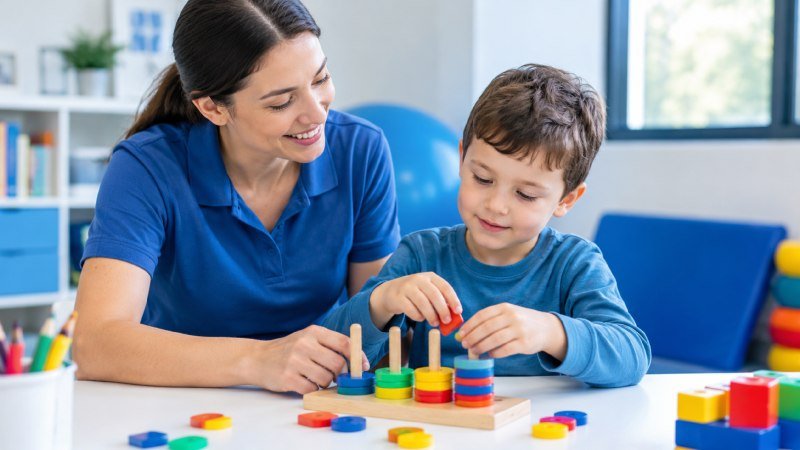
The typical process begins with an initial assessment that evaluates the child’s developmental profile and areas of difficulty. Following this, therapists design targeted activities aimed at improving skill deficits. Sessions may involve play-based strategies that keep children engaged while practicing vital skills.
Parents are actively involved throughout the process, receiving guidance and support to carry forward therapeutic activities at home. This consistent reinforcement is critical for solidifying gains and encouraging continued development.
Considerations When Choosing Occupational Therapy for Your Child
Selecting a qualified and experienced occupational therapist is crucial to ensure that the therapy provided meets the child’s unique requirements. Ult Health’s team comprises skilled professionals well-versed in paediatric occupational therapy, ensuring evidence-based practices and compassionate care.
Additionally, therapists at Ult Health stay informed of the latest research and advances in paediatric therapy, incorporating innovative techniques that enhance outcomes.
Conclusion
Occupational therapy for kids is an essential service that supports children in mastering everyday skills and achieving greater independence. Through personalised intervention plans and expert guidance, occupational therapy empowers children to overcome challenges and thrive in their environments.
Parents seeking effective occupational therapy can find comprehensive support and professional services at Ult Health, where the focus is on nurturing each child’s potential for functional success and well-being.