Streamlining Waste Management for Modern Businesses
In today’s fast-paced business environment, efficient waste management is more than a regulatory requirement—it’s a key component of operational success. Companies across the United States are facing increasing pressure to reduce environmental impact while maintaining cost-effective operations. From overflowing offices to industrial complexes, handling waste responsibly has become a critical challenge. Businesses must balance efficiency, sustainability, and compliance, which often requires expert guidance and specialized services.
One emerging trend in this space is the shift toward professional waste management solutions that provide seamless pickup, recycling, and disposal. Companies that fail to adapt risk fines, reputational damage, and operational bottlenecks. This has created a growing demand for reliable waste management partners who understand both the practical and regulatory sides of disposal. For organizations seeking to streamline their processes, solutions like Waste Removal USA are becoming increasingly relevant, offering professional support that aligns with modern sustainability goals.
The Growing Importance of Sustainable Waste Practices
Sustainability is no longer just a buzzword—it’s a business imperative. Companies are under scrutiny from consumers, regulators, and investors to demonstrate responsible waste handling. Integrating sustainable practices helps organizations not only comply with environmental laws but also enhance their brand reputation. From sorting recyclables to reducing landfill contributions, proactive strategies can make a significant difference.
Organizations adopting greener approaches benefit from operational efficiency and long-term cost savings. Waste audits, recycling initiatives, and the use of certified disposal partners reduce risks and streamline workflows. Moreover, sustainable waste practices often improve employee engagement, as staff increasingly value working for environmentally conscious organizations. The shift toward eco-friendly operations is not a temporary trend—it’s becoming an industry standard that businesses must embrace to remain competitive.
Leveraging Expertise for Complex Waste Challenges
Not all waste is created equal, and businesses often face complex disposal needs that require professional oversight. Industrial waste, electronic materials, and large-scale construction debris demand specialized handling to meet safety and legal standards. Attempting to manage these materials in-house can lead to errors, fines, and inefficiencies.
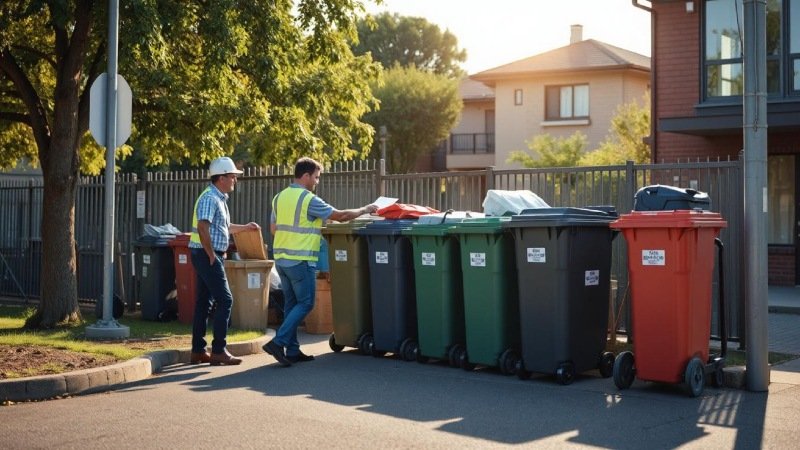
Professional waste management services offer expertise and equipment designed to address diverse waste streams safely. They provide scheduled pickups, documentation for regulatory compliance, and environmentally responsible disposal methods. Partnering with experts ensures that businesses meet obligations while freeing internal teams to focus on core operations. This approach is particularly valuable for industries with high turnover of materials or strict compliance requirements, such as healthcare, manufacturing, and retail.
Technology Driving Efficiency in Waste Management
Modern waste management is increasingly driven by technology. Digital scheduling systems, tracking tools, and automated reporting have transformed how businesses handle disposal. These innovations reduce administrative overhead, prevent missed pickups, and provide actionable data for sustainability reporting.
Smart solutions allow companies to monitor waste volumes, optimize pickup schedules, and even predict future disposal needs. Data-driven insights help organizations reduce unnecessary waste, lower costs, and improve recycling rates. As technology continues to evolve, businesses adopting digital waste management solutions gain a competitive edge, ensuring operations are both efficient and environmentally responsible.
Industry Trends Shaping the Future
The waste management industry is experiencing major changes due to new regulations, increased environmental awareness, and evolving business practices.Zero-waste initiatives, circular economy models, and stricter local ordinances are reshaping how companies approach disposal. Organizations that proactively integrate these trends can reduce risk and gain strategic advantages.
Another notable trend is increased collaboration between businesses and professional waste service providers. Handing over disposal tasks to experienced partners not only helps maintain compliance but also supports operations in meeting sustainability goals.By staying informed and agile, companies can navigate evolving requirements while demonstrating environmental responsibility to stakeholders and the public.
Conclusion
Efficient waste management is no longer optional—it’s a strategic priority for modern businesses. Sustainable practices, expert oversight, and technology integration combine to create safer, more cost-effective operations. Companies that embrace professional solutions, track progress, and adopt emerging trends position themselves for long-term success.
By investing in responsible waste management, organizations reduce environmental impact, maintain regulatory compliance, and enhance operational efficiency. The future belongs to businesses that treat waste not as a burden, but as an opportunity for innovation, efficiency, and sustainable growth. As the industry continues to evolve, those leveraging expert services and forward-thinking strategies will lead the way in shaping a cleaner, more responsible business landscape.


