The Role of Dental Labs in Successful All-on-X Implant Restorations
All-on-X restorations rank among the most complex cases in implant dentistry. A full arch depends on multiple implants working together as one system. Every stage of the process needs precision, and much of that precision comes from the dental lab.
A skilled surgical team places the implants. A skilled lab turns that surgical work into a functional, long-lasting prosthesis. Neither step succeeds without the other.
What Is an All-on-X Restoration?
All-on-X refers to a full-arch restoration supported by a fixed number of implants, often four to six, depending on the case. The “X” represents that variable number. This approach replaces an entire arch of missing or failing teeth with a single fixed prosthesis, anchored to strategically placed implants.
The technique reduces the number of implants needed compared to replacing each tooth individually. It also allows many patients to receive a fixed provisional restoration on the same day as surgery, depending on bone quality and case planning.
Why Lab Precision Matters in All-on-X Cases
A full-arch case has far less room for error than a single crown. One implant that is slightly out of position can affect the fit of the entire prosthesis. A restoration that does not seat passively can create stress on the implants, which may lead to complications over time.
Passive fit means the prosthesis sits on the implants without introducing strain. Achieving this across four to six implants at once requires exact measurements and careful design work. This is where the lab’s role becomes critical.
Key Stages Where the Lab Is Involved
Treatment Planning and Digital Design
Lab involvement often begins before surgery. Many practices send pre-operative scans and records to the lab for treatment planning. The lab may help design a surgical guide based on the planned implant positions, giving the surgical team a precise map to follow during placement.
Surgical Guide Fabrication
A surgical guide directs the placement of each implant during surgery. The lab fabricates this guide using digital planning software, based on the patient’s anatomy and the planned prosthetic outcome. An accurate guide helps implants land in positions that support a well-fitting final restoration.
Provisional (Temporary) Restoration
Many All-on-X cases include a same-day provisional restoration. The lab often prepares this in advance, based on pre-surgical planning, so it can be adjusted and delivered shortly after implant placement. This gives the patient functional, fixed teeth while the implants integrate with the bone.
Final Prosthesis Fabrication
Once healing is complete, the lab fabricates the final prosthesis. This stage involves detailed verification of implant positions, precise framework design, and material selection suited to the patient’s bite and esthetic needs. The final restoration needs to fit accurately across all implants at once, not just individually.
The Role of Photogrammetry and Digital Scanning
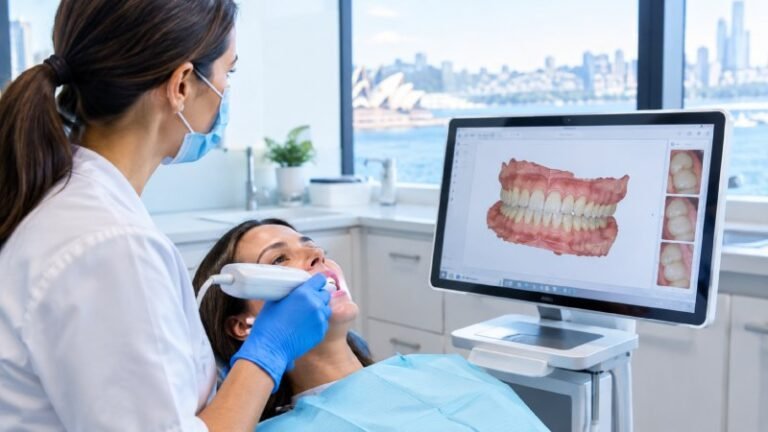
Standard intraoral scanners work well for single teeth and short spans, but full-arch cases with multiple implants present a challenge. Scanning across a wide arch increases the chance of small stitching errors between scan sections.
Photogrammetry addresses this problem. It uses a camera-based system to capture the exact three-dimensional position of each implant from multiple angles at once. This method avoids the stitching errors that can occur with standard scanning across a full arch, giving the lab more reliable position data to work from.
Accurate position data at this stage supports a prosthesis that fits passively, without the internal stress that can affect implant longevity.
Materials Used in All-on-X Restorations
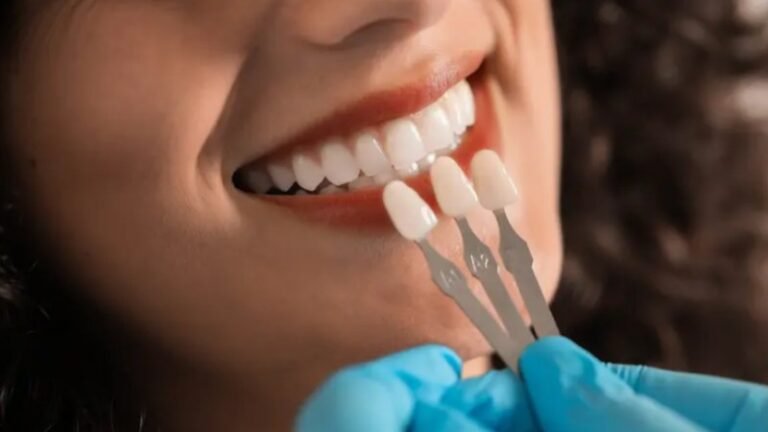
Labs typically work with a small set of proven materials for All-on-X cases. Titanium or zirconia frameworks provide the structural base. Acrylic or layered ceramic material forms the visible teeth and gum tissue. Material choice depends on the patient’s bite force, esthetic goals, and budget.
Zirconia has become a common choice for final restorations due to its strength and resistance to wear. Acrylic remains widely used for provisional restorations, since it allows for easier adjustments during the healing period.
Common Challenges in All-on-X Cases
Full-arch cases involve several points where errors can occur. Implant position data may not fully match the actual surgical outcome. Bite registration across a full arch is more complex than for a single tooth. Framework fit needs to account for slight variations at each implant site.
Labs experienced in All-on-X work develop processes to catch these issues before the final restoration is delivered. This often includes verification steps, such as printed or milled verification jigs, to confirm implant position accuracy before finalizing the framework.
Communication Between Practice and Lab
Clear communication between the surgical team and the lab affects the outcome of every stage. The lab needs accurate records, including implant positions, bite relationships, and esthetic preferences. The surgical team benefits from a lab that provides clear timelines and flags any concerns with the submitted data early.
Cases that move smoothly from surgery to final restoration usually involve a lab that reviews records closely and raises questions before manufacturing begins, rather than after a fit issue appears at delivery.
Choosing the Right Lab Partner
Not every dental lab has the equipment or experience needed for full-arch implant cases. Practices considering All-on-X treatment benefit from working with a lab that specializes in this type of restoration and understands the planning, verification, and manufacturing steps involved.
An All-on-X Implant Lab with experience in full-arch cases can support a practice through each stage, from surgical guide design to final prosthesis delivery, reducing the risk of fit issues along the way.
What This Means for Patient Outcomes
The quality of lab work behind an All-on-X restoration directly affects how the case performs over time. A well-fitting prosthesis distributes bite forces evenly across the implants, which supports long-term implant health. A poorly fitting prosthesis can place uneven stress on individual implants, increasing the risk of complications.
Patients also benefit from smoother treatment timelines when the lab and surgical team work closely together. Fewer adjustment visits and fewer remakes mean a more predictable path from surgery to a finished, functional restoration.
Digital Workflow vs. Traditional Workflow for Full-Arch Cases
Traditional full-arch workflows relied on physical impressions and analog models for each stage of treatment. This approach left more room for small errors to accumulate, particularly across a full arch with multiple implants.
A digital workflow reduces this risk. Scans and photogrammetry data transfer to the lab without the distortion that can occur with physical impression material. Design software allows the lab to verify implant positions and framework fit before any material is milled. Errors are easier to catch on a screen than after a physical restoration has already been fabricated.
Many labs now combine both approaches depending on the case, using digital data for planning and verification while still relying on proven manufacturing methods for the final framework.
Verification Jigs and Fit Confirmation
Before finalizing a full-arch prosthesis, many labs fabricate a verification jig. This is a rigid structure that connects to the implants and confirms that the position data used for design matches the actual position of the implants in the patient’s mouth.
If the jig does not seat correctly, the lab and practice can identify the discrepancy before manufacturing the final framework. This step adds time to the process, but it reduces the risk of a final prosthesis that does not fit, which would otherwise require a costly and time-consuming remake.
Timeline of a Typical All-on-X Case
A general timeline helps illustrate how the practice and lab work together across the full treatment process.
- Pre-surgical planning. The practice sends scans and diagnostic records to the lab.
- Surgical guide design. The lab fabricates a guide based on the planned implant positions.
- Implant placement. The surgical team places the implants using the guide.
- Provisional restoration. The lab-prepared provisional is adjusted and delivered, often the same day.
- Healing period. The implants integrate with the bone over several months.
- Final scanning or photogrammetry. The practice captures precise implant position data once healing is complete.
- Final prosthesis design and fabrication. The lab designs and manufactures the definitive restoration.
- Verification and delivery. The practice confirms fit before final delivery to the patient.
Each stage depends on accurate data passing between the practice and the lab. A delay or error at any step can affect the overall timeline.
Frequently Asked Questions
How many implants are used in an All-on-X restoration?
The number varies by case, typically between four and six implants per arch, depending on bone quality and the treatment plan.
Can patients receive teeth the same day as implant surgery?
Many All-on-X cases include a same-day provisional restoration, though this depends on bone quality, implant stability, and the treatment plan.
Why is passive fit important in full-arch restorations?
A prosthesis that fits passively does not place unnecessary strain on the implants. Restorations that do not seat passively can increase the risk of complications over time.
What role does the lab play before surgery?
Many labs assist with pre-surgical planning, including surgical guide design based on the patient’s scans and the planned implant positions.
Why is photogrammetry used in some All-on-X cases?
Photogrammetry captures implant positions across a full arch more reliably than standard scanning, reducing the risk of stitching errors that can affect prosthesis fit.
How long does the full All-on-X process take?
Timelines vary by case, but the process generally spans from pre-surgical planning through a healing period, followed by final prosthesis fabrication and delivery.
Conclusion
All-on-X restorations depend on close coordination between the surgical team and the dental lab. From surgical guide design to final prosthesis fabrication, each stage relies on accurate data and careful execution. A lab experienced in full-arch implant cases plays a central role in helping these restorations succeed, both at delivery and over the long term.