
Understanding Hearing Loss: Why Early Awareness Matters
Hearing loss often develops so gradually that many people do not notice it happening until family members or colleagues point out changes in behaviour, such as turning the television up louder than usual or frequently asking others to repeat themselves. Because of this gradual onset, hearing health can be easy to overlook compared to more visible health concerns. Understanding the basics of hearing loss, and why early awareness matters, can help people take a more proactive approach to their own hearing health.
How Hearing Loss Typically Develops
Hearing loss can develop for a range of reasons, including age-related changes, prolonged exposure to loud noise, certain medical conditions, or simply genetics. Age-related hearing loss in particular tends to progress slowly over years, which is part of why it often goes unnoticed for a long time. Many people compensate unconsciously, relying more heavily on lip reading or context to fill in gaps, without necessarily recognising that their hearing itself has changed.
Common Early Signs
Some of the more common early indicators of hearing loss include difficulty following conversations in noisy environments, needing the television or radio louder than others in the household find comfortable, and a sense of exhaustion after socialising, which can result from the extra concentration required to follow conversations. These signs are often subtle at first and may be dismissed as simply a busy or distracted mind, rather than recognised as a hearing-related issue.
Why Early Assessment Matters
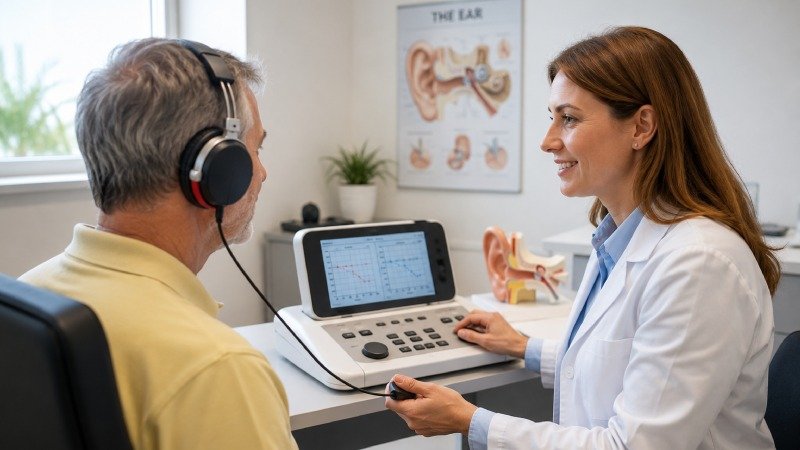
Seeking an assessment from an audiologist in Auckland when early signs appear can make a meaningful difference to how hearing loss is managed over time. Addressing hearing changes earlier, rather than waiting until they become significantly disruptive, may help preserve better communication and reduce some of the social withdrawal that can accompany untreated hearing loss.
The Link Between Hearing and Cognitive Health
There is growing interest in the relationship between hearing health and broader cognitive wellbeing, particularly in older adults. Some research suggests that untreated hearing loss may be associated with increased cognitive load and social isolation, both of which can affect overall wellbeing over time. While this is an evolving area of understanding, it adds further weight to the argument for taking hearing health seriously rather than treating it as a lower priority than other aspects of physical health.
Hearing Tests for Children
Hearing assessments are not only relevant for adults. Children’s hearing plays a critical role in speech and language development, and early identification of any hearing difficulties can support timely intervention during key developmental years. Regular hearing checks, particularly around common developmental milestones, can help catch issues before they have a lasting impact on a child’s communication and learning.
Ear Wax and Its Impact on Hearing
Not all hearing difficulties are related to permanent hearing loss. Excessive ear wax buildup is a common and often overlooked cause of temporary hearing changes, sometimes creating symptoms that feel similar to more significant hearing loss. Professional ear wax removal in Auckland, rather than attempting to clear wax at home with cotton buds or other tools, is generally the safer and more effective approach, since improper removal attempts can sometimes push wax further into the ear canal or cause injury. Many people book in for professional ear cleaning in Auckland once they notice muffled hearing or a sense of blockage.
Auditory Processing and Understanding Speech
Some people experience difficulty processing sounds and speech even when their basic hearing sensitivity tests within a normal range. This can relate to auditory processing, which involves how the brain interprets sound rather than how well the ear physically detects it. Assessment for auditory processing difficulties, particularly in children who may be struggling in a classroom environment despite normal hearing test results, can help identify the underlying cause of communication or learning challenges.
Hearing Aids and Modern Options
For those diagnosed with hearing loss, hearing aid technology has advanced considerably in recent years, offering more discreet designs and improved sound processing than earlier generations of devices. Choosing the right hearing aid generally involves a proper assessment of the type and degree of hearing loss, alongside consideration of lifestyle factors that affect which features might be most useful day to day.
Making Hearing Health a Priority
Hearing plays a central role in communication, relationships and overall quality of life, yet it often receives less attention than other aspects of health until problems become significant. Building regular hearing checks into an overall approach to health, particularly for those noticing early signs or working in noisy environments, can support better outcomes over the long term.
Workplace Noise and Prevention
For adults working in noisy environments, whether in construction, manufacturing or music, prevention plays an important role alongside early detection. Wearing appropriate hearing protection consistently, rather than only in the loudest moments, can help reduce cumulative noise exposure over the course of a career. Combining preventative habits with periodic hearing checks gives a more complete picture of how workplace noise may be affecting hearing over time.
Talking to Family Members About Hearing Concerns
Because hearing loss often develops gradually, the person experiencing it may be the last to recognise the extent of the change, while family members notice it much sooner. Raising these observations sensitively, rather than waiting for the person to notice independently, can encourage earlier assessment and support. Framing the conversation around improving communication and connection, rather than focusing solely on a perceived deficit, often makes these conversations easier for everyone involved.
Taking the Next Step
Recognising the early signs of hearing loss and seeking a professional assessment when needed can make a meaningful difference to how hearing changes are managed over time. Whether the concern relates to gradual age-related changes, a child’s development, or something as simple as ear wax buildup, professional assessment offers clarity that self-diagnosis generally cannot.
Disclaimer: This article is provided for general informational purposes only and does not constitute medical or health advice. Individual health needs and circumstances vary, and the information may not be suitable for everyone. Consider seeking guidance from an appropriately qualified health professional before making decisions about your hearing health or treatment.


