
How Vein Doctors Build Personalized Plans for Your Leg Health
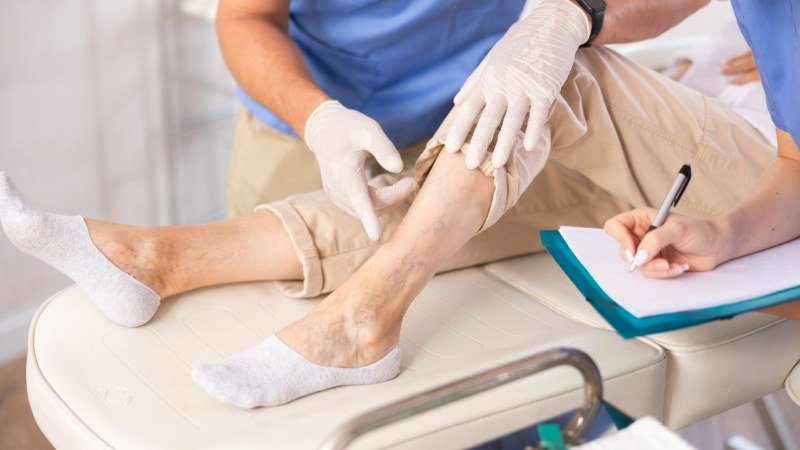
Leg vein concerns rarely look the same from one person to the next. One patient may notice aching after work, while another may see swelling, bulging veins, or restless legs at night. A vein doctor builds an individual care plan by matching symptoms, medical history, daily habits, and imaging results. That process helps uncover chronic venous insufficiency, varicose veins, or spider veins, then guides the next steps with clarity and purpose.
Symptoms Shape the First Visit
Early clues often appear during regular routines. After long hours at a desk or on a sales floor, heaviness, cramping, or visible veins can signal poor circulation in the legs. For residents seeking a vein doctor near Westgreen Estates, a local evaluation can link those patterns with possible vein disease and help decide whether imaging, compression, or minimally invasive treatments make sense.
History Adds Useful Context
Doctors also study factors that raise vein strain over time. Pregnancy, aging, family history, sports with repeated leg pressure, and jobs that require sitting or standing for hours can all matter. That background explains why one person develops mild spider veins, while another faces larger varicose veins, swelling, and skin changes. A strong history keeps the plan grounded in real daily demands.
Ultrasound Confirms What the Legs Reveal
Visible signs tell part of the story, yet vein disease often starts deeper in the leg. An ultrasound map shows how blood moves and where valves may be failing. That matters because symptoms can look similar even when the cause differs. Imaging helps rule out certain urgent concerns, including signs that may need separate deep vein thrombosis assessment, while keeping the focus on leg vein diagnosis.
Severity Guides the Next Step
Once the doctor has symptoms, history, and imaging, the plan becomes more precise. Smaller spider veins may call for one approach, while larger varicose veins linked to valve failure may need another. Timing also matters. Someone with daily pain or swelling may need faster action than a patient with mild cosmetic changes. The goal is a logical path, not a universal answer.
Conservative Care Still Has a Role
Many plans begin with practical support. Compression therapy, movement breaks, leg elevation, and weight management can reduce discomfort and help circulation. Those steps do not erase damaged veins, though they can improve daily function and prepare patients for later care if symptoms continue. A vein doctor uses those tools as part of a broader strategy, rather than presenting them as the only answer for every case.
Minimally Invasive Treatments Are Chosen Carefully
When conservative measures are not enough, doctors may recommend minimally invasive treatments based on the exact vein pattern. Radiofrequency ablation can close unhealthy veins with heat. Sclerotherapy may help treat smaller visible vessels or certain deeper branches. Other options, such as medical adhesive or foam-based treatments, may fit different findings. Selection depends on anatomy, symptom burden, and the person’s schedule, goals, and insurance factors.
Lifestyle Advice Makes the Plan Stronger
A good plan does more than address a current vein problem. It also helps patients protect leg health after care begins. That may include walking during travel days, avoiding long static positions, staying active, and using compression when advised. These habits support circulation and may limit worsening over time. Doctors connect each recommendation to the patient’s routine, which makes follow-through far more realistic.
Follow-Up Tracks: Relief and Function
Personalized care continues after treatment starts. Follow-up visits help confirm that symptoms are easing and that treated veins are responding as expected. Doctors can also check whether swelling, aching, or skin irritation has improved enough for normal activity. If a patient still has trouble, the plan can shift. That flexibility matters because leg vein disease can affect comfort, appearance, sleep, and confidence in different ways.
Conclusion
The best leg vein plans are built through careful listening, clear imaging, and step-by-step decision making. Rather than treating every case alike, vein doctors match care to symptom severity, vein function, and lifestyle pressures. That approach supports better comfort and stronger long-term leg health. For people dealing with heaviness, swelling, varicose veins, or spider veins, an individualized evaluation can reveal what is happening and which treatment path fits best.