
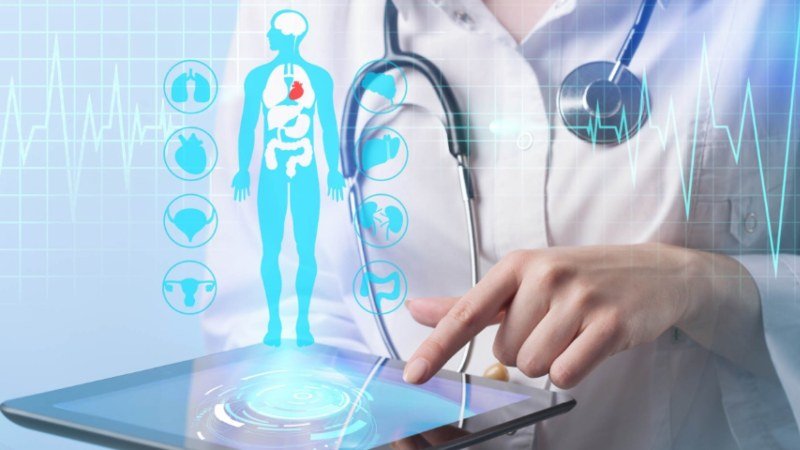
How Technology Is Changing the Future of Healthcare
Healthcare is changing faster than ever before. Hospitals, clinics, doctors, nurses, and patients are using technology in new ways to make care more accessible, faster, and more personalized. From online doctor visits to artificial intelligence, digital records, wearable devices, and remote monitoring, technology is reshaping how people receive medical support.
The goal of healthcare technology is not to replace doctors or human care. Instead, it is meant to support healthcare professionals, reduce delays, improve communication, and help patients take a more active role in their health. The future of healthcare will likely be built around a mix of human expertise and smart digital tools.
The World Health Organization says digital health technologies can support stronger health systems and help move countries closer to the goal of health for all. This includes tools that improve access, patient records, decision-making, and public health planning.
Telehealth Is Making Care More Accessible
One of the biggest changes in healthcare is the growth of telehealth. Telehealth allows patients to speak with healthcare providers through video calls, phone calls, or online platforms. This is especially helpful for people who live far from hospitals, have limited transportation, or need quick follow-up care.
Telehealth became more common during the pandemic, but it has continued to be useful because of its convenience. A patient with a minor concern, medication question, or follow-up appointment may not always need to travel to a clinic. Instead, they can connect with a provider from home.
This can save time for both patients and healthcare workers. It can also help people get care earlier instead of delaying appointments because of distance, work schedules, or mobility issues. For older adults, people with disabilities, and patients in rural areas, telehealth can make healthcare easier to reach.
However, telehealth is not right for every situation. Emergency symptoms, physical exams, imaging, and certain procedures still require in-person care. The best future will use telehealth where it makes sense while keeping in-person care available when needed.
Artificial Intelligence Is Supporting Medical Decisions
Artificial intelligence, often called AI, is becoming more common in healthcare. AI can review large amounts of data quickly and help healthcare professionals identify patterns that may be hard to notice manually. It is being used in medical imaging, hospital workflows, patient communication, drug research, and risk prediction.
For example, AI can support radiologists by helping detect possible signs of disease in scans. It can also help hospitals predict patient needs, manage schedules, and reduce administrative pressure. In some cases, AI tools can help doctors review records faster and make more informed decisions.
The U.S. Food and Drug Administration keeps a public list of AI-enabled medical devices authorized for marketing in the United States. This list is meant to provide transparency for patients, providers, and developers as AI becomes more common in medical technology.
Still, AI must be used carefully. Healthcare decisions affect real lives, so AI tools need strong testing, oversight, and human review. AI should support doctors, not replace their judgment. Patients also need to know when AI is being used and how their information is protected.
Digital Health Records Are Improving Communication
In the past, patient records were often stored on paper or separated across different clinics and hospitals. This made it harder for healthcare providers to access complete information. Today, electronic health records are helping improve communication between doctors, nurses, specialists, labs, and patients.
Digital records can include medical history, allergies, medications, test results, imaging reports, and treatment plans. When used properly, they can reduce errors and help providers make better decisions. For example, if a patient visits a specialist, that doctor may be able to review past test results instead of repeating unnecessary tests.
Dr. Amanda Baes, Owner of Healing Hands Chiropractic, says digital records can make care more connected and less repetitive for patients. “When providers can clearly see a patient’s history, past treatments, and current concerns, it becomes easier to guide the next step. Better communication between records, providers, and patients can lead to more coordinated care.”
Patient portals are also giving people more access to their own health information. Many patients can now view lab results, appointment notes, prescriptions, and messages from their care team online. This helps patients stay informed and ask better questions during appointments.
The challenge is making sure these systems are easy to use and secure. Healthcare organizations must protect patient privacy while also making information available to the right professionals at the right time.
Wearable Devices Are Helping People Track Their Health
Wearable technology is another major change in healthcare. Smartwatches, fitness trackers, heart monitors, and other devices can help people track activity, heart rate, sleep, oxygen levels, and other health signals.
These tools do not replace medical diagnosis, but they can make people more aware of their daily habits. For example, a person may notice that they are not sleeping enough, walking very little, or experiencing changes in heart rate. This information can encourage healthier choices or lead someone to speak with a healthcare provider.
Wearables may also support people with ongoing health conditions. Some devices can help monitor heart rhythms or blood sugar levels. Others can remind patients to move, take medication, or follow healthy routines.
As wearable devices improve, they may become more connected to healthcare systems. Doctors may be able to review selected patient data and use it to guide care. However, this must be done responsibly. Too much data can overwhelm both patients and providers, so the focus should be on useful information that supports better decisions.
Remote Monitoring Is Changing Chronic Disease Care
Chronic diseases such as diabetes, high blood pressure, heart disease, and lung disease require ongoing attention. Traditionally, patients had to visit clinics regularly to check their condition. Now, remote patient monitoring allows some health information to be tracked from home.
For example, a patient may use a blood pressure monitor, glucose device, pulse oximeter, or weight scale that shares readings with a care team. If the numbers change in a concerning way, the provider may contact the patient sooner.
This can help reduce hospital visits and catch problems earlier. It also gives patients a greater role in managing their condition. Instead of waiting months between appointments, they and their care team can follow health trends more closely.
Remote monitoring is especially helpful for older patients who live far from medical facilities or need frequent follow-up. It can also reduce pressure on hospitals by helping manage problems before they become emergencies.
Technology Is Making Healthcare More Personalized
Technology is helping healthcare move away from a one-size-fits-all model. With better data, genetic testing, digital records, and advanced analytics, doctors can better understand each patient’s risks, needs, and treatment options.
Personalized healthcare may include choosing treatments based on a patient’s medical history, lifestyle, genetics, or response to past care. For example, some cancer treatments are now selected based on specific features of a tumor. Some medications may be adjusted based on how a patient’s body processes them.
Sharon Amos, Director at Air Ambulance 1, says personalized care becomes even more important when patients need urgent or complex medical support. “Technology gives healthcare teams a clearer picture of a patient’s condition, history, and risks. That information can help them make faster, more informed decisions when every detail matters.”
This approach can make care more precise. It may help reduce trial-and-error treatment and improve outcomes. As technology improves, healthcare may become more focused on prevention and early action instead of only treating disease after it appears.
Robotics and Automation Are Supporting Healthcare Workers
Robots and automation are also becoming more common in healthcare. In some hospitals, robots help deliver supplies, clean rooms, assist in surgeries, or support rehabilitation. Automation can also help with administrative tasks such as appointment scheduling, billing, claims processing, and inventory management.
This matters because healthcare workers often face heavy workloads. Doctors and nurses spend a large amount of time on paperwork and repetitive tasks. When technology handles some of this work, staff may have more time to focus on patients.
Robotic-assisted surgery is another area of growth. These systems can help surgeons perform certain procedures with more control and precision. However, the surgeon remains in charge. The technology is a tool, not an independent decision-maker.
The future of healthcare will likely use automation to reduce waste, speed up workflows, and support staff. But human care, empathy, and clinical judgment will remain essential.
Mobile Apps Are Giving Patients More Control
Healthcare apps are helping people manage appointments, medications, fitness, mental health, nutrition, and chronic conditions. Some apps allow patients to message providers, view test results, book visits, or receive reminders.
This gives patients more control over their health. Instead of being passive receivers of care, they can track progress, follow treatment plans, and stay connected with their care team.
Some healthcare systems are building apps that act as digital front doors for patients. These apps may help people find services, manage referrals, review records, and access virtual support. Recent healthcare digital programs have focused on giving patients better access to appointments, records, and care navigation through mobile platforms.
The key is making these apps simple and accessible. If an app is confusing, slow, or only useful for people with strong digital skills, it may leave some patients behind.
Data Is Helping Public Health Planning
Healthcare technology is not only helping individual patients. It is also helping public health systems understand trends across communities. Data can help track disease outbreaks, hospital capacity, vaccination rates, medication use, and health risks.
This information can help governments and health organizations respond faster during public health emergencies. It can also help identify communities that need more support, such as areas with limited access to doctors or higher rates of chronic illness.
When used responsibly, health data can improve planning and prevention. But privacy must always be protected. Patients need confidence that their personal information is secure and used ethically.
Challenges That Cannot Be Ignored
Technology brings many benefits, but it also creates challenges. Not everyone has access to reliable internet, smartphones, or digital health tools. Older adults, low-income patients, rural communities, and people with limited digital skills may face barriers.
There are also concerns about data privacy, cybersecurity, AI bias, and overdependence on technology. If systems are poorly designed, they can increase confusion instead of reducing it. If AI tools are trained on incomplete or biased data, they may not work equally well for all patient groups. Healthcare organizations must make technology safe, fair, and easy to use. Innovation should not only serve people who already have good access to care. It should help close healthcare gaps, not widen them.
Conclusion
Technology is changing the future of healthcare by making care more accessible, connected, personalized, and data-driven. Telehealth, AI, digital records, wearable devices, remote monitoring, robotics, apps, and public health data are all shaping a new healthcare system. These tools can help doctors make better decisions, reduce delays, support patients at home, and improve long-term health management. However, technology must be used with care. Privacy, safety, fairness, and human oversight are essential.
The future of healthcare will not be built by technology alone. It will depend on how well healthcare systems combine digital tools with skilled professionals, patient trust, and compassionate care. When used responsibly, technology can help create a healthcare system that is more efficient, more preventive, and more focused on the needs of every patient.