Private, Simple, and Accessible: How Online Healthcare Is Changing Everyday Health Decisions
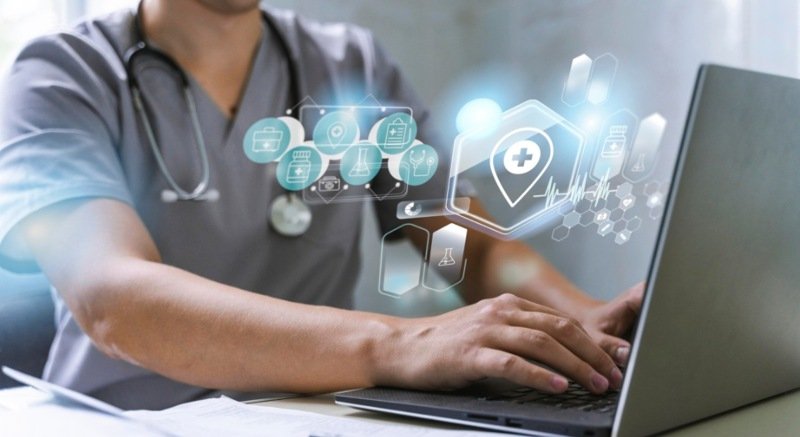
Technology has changed many areas of life including how people manage their health. From accessing medical advice to researching various symptoms the application of online healthcare services has rapidly evolved to become an integral part of healthcare decisions. This is further enhanced by the growing need for privacy, accessibility and convenience. Today more people are now embracing digital healthcare platforms to support their daily health needs while they seamlessly maintain how they access healthcare.
The Shift From Traditional Healthcare to Digital Healthcare
Before now, most healthcare needs required an in-person visit to a healthcare provider or clinic. Even though face-to-face care remains important for many medical conditions, digital healthcare has changed the dynamics by introducing a new way for people to access adequate healthcare support. Online healthcare platforms offer convenient access to prescription services, health information, consultations, and valuable health tips, making it easier for people to receive appropriate care. It is worth noting that digital services complement conventional healthcare by reducing unnecessary barriers and improving healthcare access.
Why Privacy Matters in Personal Healthcare Decisions
Privacy plays a key role in influencing how people access and approach healthcare. There are individuals that feel more safe and comfortable learning about sensitive health topics from the comfort and privacy of their homes especially when it comes to discussing issues that they might find embarrassing or rather difficult. Online healthcare services can offer these individuals a confident environment where they can complete health assessments, explore information and communicate with a quality healthcare practitioner while having control of their health decisions. Basically this level of privacy encourages patients to be able to seek the support they need sooner.
Convenience for Busy Modern Lifestyles
Family responsibilities, busy work schedules and long travel times can make it difficult for people to arrange for conventional healthcare visits. Most people will need to find more time out of their busy schedules to be able to visit a clinic and this is not always practical.One of the benefits of online healthcare services is the flexibility that it offers which allows users to access information, manage certain healthcare needs and complete consultations remotely. The interesting thing is that people can do this while balancing work commitments, living in an area with limited healthcare access or even while caring for children.
Online Healthcare and Women’s Health Accessibility
Another area where digital healthcare has expanded is the area of access to women’s health services because it makes it more accessible and convenient. Most online platforms today now provide various support including health consultations, prescription management, contraceptive advice and even ongoing healthcare guidance. Eligible patients can also seamlessly order contraceptive pill online after they complete their health assessment and medical consultation. All they need to do is to follow established clinical guidelines and ensure that their request is appropriately reviewed. Basically this services further helps in improving access to patient safety while also supporting informed healthcare decisions.
Making Better Health Decisions Through Reliable Information
People should always support convenience with reliable medical information. Individuals should choose providers that follow recognized clinical guidelines and standards when using online healthcare services, and they should seek care from qualified healthcare professionals. People cannot overstate the importance of making informed decisions because doing so prioritizes safety, quality, and professional oversight.
Conclusion: A More Accessible Future for Everyday Healthcare
Online healthcare helps make health decisions more convenient, accessible, and private. By expanding access to trusted healthcare services, including guidance related to natural health, and providing support for informed decision-making, these digital platforms offer greater flexibility that allows people to effectively manage their health remotely.


