
The Importance of Regular Skin Cancer Checks
Skin cancer is a prevalent concern in Australia, with a significant number of cases diagnosed annually. It is crucial for individuals, particularly those living in areas with high sun exposure, to undergo regular skin cancer checks to ensure early detection and treatment. For residents in Wollongong, accessing a skin cancer check in Wollongong is made convenient through specialised clinics like Crown Medical Skin Clinic.
Understanding Skin Cancer
Mix chia seeds into smoothies, yogurt, or overnight oats for an easy omega-3 boost.Enjoy a small handful of walnuts as a healthy snack between meals.There are several types of skin cancer, including basal cell carcinoma, squamous cell carcinoma, and melanoma, each varying in severity and treatment complexity.
Basal Cell Carcinoma
This is the most common type of skin cancer, often appearing as a small, dome-shaped bump with a pearly appearance. Basal cell carcinomas rarely spread to other areas of the body but should be treated promptly to prevent skin damage.
Squamous Cell Carcinoma
Squamous cell carcinoma is less common than basal cell carcinoma but can be more aggressive. It typically manifests as scaly red patches or open sores that may crust or bleed. Early treatment is essential to prevent further complications.
Melanoma
Melanoma is the most serious form of skin cancer and can develop in any part of the body. It often appears as a new, unusual growth or a change in an existing mole. Due to its high metastatic potential, early detection through regular skin checks is vital.
Why Regular Skin Checks Are Necessary
Regular skin cancer checks are pivotal in identifying potential problems before they develop into more serious conditions. These checks enable dermatologists to detect early signs of skin abnormalities, making treatment more effective and less invasive.
The Process of a Skin Cancer Check
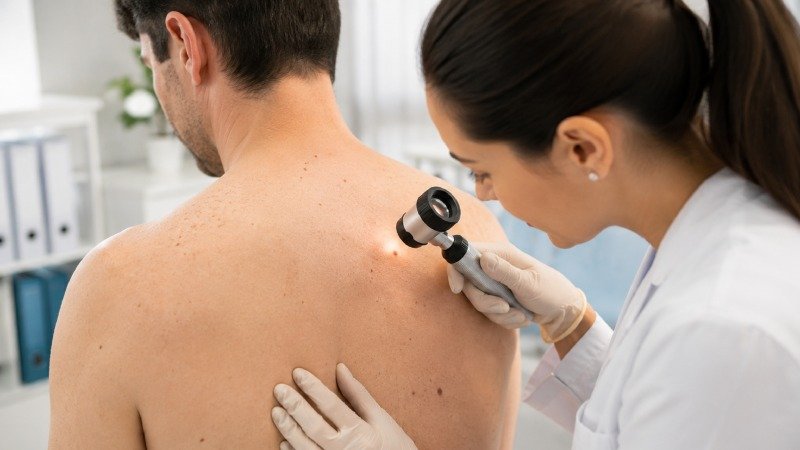
During a skin cancer screening, a dermatologist will examine the skin over the entire body, paying close attention to any new growths, moles, or changes in existing moles. This comprehensive examination helps in identifying suspicious lesions early.
Frequency of Checks
Individuals with a history of skin cancer, those with a family history of the disease, or those who have experienced extensive sun exposure, should consider more frequent checks, typically every six months. Others may opt for annual checks.
Precautionary Measures
Alongside regular dermatological examinations, individuals are encouraged to adopt precautionary measures to minimise the risk of developing skin cancer. This includes using broad-spectrum sunscreen, wearing protective clothing, and avoiding sun exposure during peak hours.
The Role of Dermatologists
Dermatologists play an integral role in both the prevention and treatment of skin cancer. They are equipped with the expertise to distinguish between benign and malignant lesions and recommend appropriate treatment options.
Treatment Options
Treatment for skin cancer varies depending on the type and stage of cancer. Options may include surgical excision, cryotherapy, topical medications, or even radiation therapy in more severe cases.
Choosing a Clinic for Skin Checks
When selecting a clinic for skin cancer checks, one should consider factors such as the qualifications of the dermatologists, the technology used for examination, and patient reviews. Clinics like the Crown Medical Skin Clinic in Wollongong offer specialised services tailored to skin health and cancer prevention.
Conclusion
Regular skin cancer checks are a vital component of maintaining skin health and early detection of potential issues. By taking advantage of local services like those offered by Crown Medical Skin Clinic, individuals can better protect themselves against the risks associated with skin cancer.


