
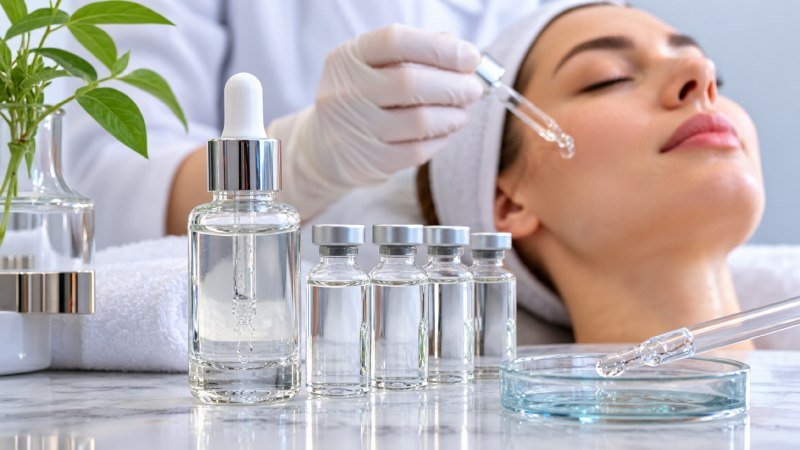
Regenerative PDRN Formulas: Essential Guide for Skincare Professionals
As skincare professionals continuously seek advanced solutions to enhance their clients’ skin health, Regenerative PDRN Formulas have emerged as a transformative option. These formulas, which utilize Polydeoxyribonucleotide (PDRN), are gaining attention for their ability to promote skin regeneration and repair. This article delves into the specifics of these groundbreaking formulas, providing skincare professionals with insights into their formulation, application, and success stories. Additionally, we will explore how these formulas can be effectively integrated into skincare practices to elevate the brand’s visual identity system and overall consumer experience.
Exploring Regenerative PDRN Formulas in Skincare
Regenerative PDRN Formulas are formulated with DNA fragments derived from salmon, which have been shown to promote cellular regeneration and repair. These formulas are particularly relevant for skincare brands aiming to enhance their brand equity measurement by offering cutting-edge treatments. They are designed to stimulate collagen production, improve skin elasticity, and accelerate wound healing. For skincare professionals, understanding the science behind these formulas can aid in elevating their brand stewardship, ensuring they provide clients with the most effective treatments available. By incorporating Regenerative PDRN Formulas, brands can strengthen their brand positioning framework, differentiating themselves in a competitive market.
Recent research from NCBI highlights the regenerative properties of PDRN, making it a valuable addition to any skincare professional’s toolkit.
Key Ingredients and Their Role in Skin Health
The primary ingredient in Regenerative PDRN Formulas is the nucleic acid complex derived from salmon. This component is known for its ability to stimulate fibroblast growth, essential for skin repair. By including this powerful ingredient in their offerings, skincare brands can enhance their brand narrative development, positioning themselves as leaders in innovative skincare solutions.
Additionally, these formulas often include supporting ingredients such as hyaluronic acid and peptides, which work synergistically to hydrate and plump the skin. This combination not only elevates the formula’s efficacy but also enhances the brand’s consumer touchpoint mapping by providing visible results that clients can experience firsthand.
According to a recent study by Dermoscope, the integration of these ingredients in skincare treatments has shown a significant improvement in skin texture and tone, reinforcing the brand’s reputation for delivering high-quality results.
Application Techniques for Optimal Results
For skincare professionals, applying Regenerative PDRN Formulas effectively is crucial to achieving the best results. Techniques such as microneedling or dermal infusion can enhance the penetration of PDRN, maximizing its regenerative effects. Implementing these techniques can elevate the brand activation strategy, showcasing the brand’s commitment to cutting-edge skincare practices.
Furthermore, understanding the appropriate dosage and frequency of application is vital. Skincare professionals should tailor treatments based on individual client needs, ensuring personalized care that can improve brand affinity index, fostering long-term client loyalty.
Utilizing advanced application methods not only delivers optimal results but also strengthens the brand’s omni-channel brand experience, as clients receive consistent and effective treatments across various touchpoints.
Case Studies: Success Stories from Skincare Professionals
Numerous skincare professionals have reported remarkable outcomes using Regenerative PDRN Formulas. In one instance, a professional noted a 30% improvement in skin elasticity after a series of treatments, underscoring the formula’s effectiveness in enhancing skin health (Source: Journal of Cosmetic Dermatology, 2023). Such success stories contribute to brand loyalty programs by providing tangible proof of the brand’s efficacy.
Another case highlighted a significant reduction in post-acne scarring, demonstrating the formula’s capacity to aid in skin repair and regeneration. These results not only contribute to the brand’s equity valuation but also support the brand portfolio management by offering diverse solutions that address various skin concerns.
For skincare professionals seeking to boost their clients’ satisfaction and their brand’s reputation, integrating Regenerative PDRN Formulas into their practice is a strategic move that aligns with a comprehensive brand consistency audit.
Conclusion
Regenerative PDRN Formulas represent a cutting-edge advancement in skincare, offering substantial benefits for both skin health and brand development. By incorporating these formulas, skincare professionals can enhance their service offerings, ensuring they remain at the forefront of industry innovation. Embracing these advancements not only boosts client satisfaction but also reinforces the brand’s position as a leader in the skincare market. For those committed to elevating their practice, exploring the potential of Regenerative PDRN Formulas is a prudent step towards achieving lasting success.


