
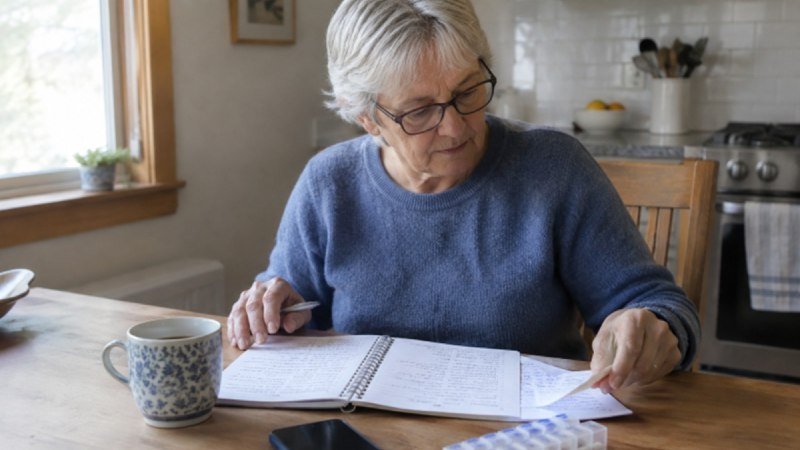
How To Create A Simple Emergency Plan For Older Adults Living Alone
Why A Personal Emergency Plan Matters
Living alone can be independent, comfortable, and fulfilling, but an unexpected fall, illness, or weather emergency may be harder to manage without a plan. Preparing in advance is not about limiting independence. It is about ensuring the right people, information, and supplies are ready when needed. For some households, a wearable help alert can also provide an additional way to request assistance when getting to a phone is difficult.
Falls deserve particular attention. The Centers for Disease Control and Prevention reports that more than one in four adults age 65 and older falls each year, and a fall can lead to injuries that affect daily activities and mobility. Reviewing older-adult fall-prevention facts is a useful starting point for identifying risks that can be reduced at home.
Start With A Personal Risk Check
An emergency plan should match the person and the home. Start by writing down situations that could create the greatest difficulty, then use that list to decide which safeguards are most important.
- Previous falls, dizziness, or balance concerns
- Memory changes, confusion, or difficulty using a phone
- Health conditions that may require urgent care
- Limited vision, hearing, strength, or mobility
- Medications that must be taken on a schedule
- Local risks such as storms, wildfire, flooding, earthquakes, or extreme heat
- Pets that would need food, medication, or transport during an evacuation
Choose A Small Emergency Support Team
Identify at least three people who can help in different ways. A nearby neighbor may be able to check the home quickly. A family member may coordinate calls and medical information. A third person should be available if the first two cannot respond. Record each person’s name, phone number, relationship, location, and preferred method of communication. Agree on a simple missed-check-in rule before it is ever needed. For example, the first contact calls or texts again after 15 minutes, then contacts a backup person if there is still no response. Everyone should know when to make a welfare check or an emergency call.
Create A Daily Check-In Routine
A short, reliable check-in can help a support team notice a problem sooner. It might be a morning text, an evening phone call, or another routine that fits naturally into the older adult’s day. The system should respect privacy and preferences rather than feel intrusive.
- Choose a consistent time for the check-in.
- Name one main contact and two backups.
- Set a response window that everyone understands.
- Write down what happens after a missed check-in.
- Test the routine during an ordinary week.
Make The Home Easier To Navigate
Many fall hazards can be found during a room-by-room walk-through. Focus first on the paths used every day, including the route from the bed to the bathroom, the kitchen, entryways, and stairs.
- Remove loose rugs, cords, and clutter from walking paths.
- Use bright lighting in hallways, bathrooms, stairways, and entrances.
- Keep frequently used items between waist and shoulder height.
- Add grab bars where stable support is needed.
- Use high-contrast markings for steps, thresholds, or uneven flooring.
- Keep a phone, alert device, or other communication tool within easy reach.
When balance, strength, or mobility changes, a clinician or occupational therapist may suggest home modifications that fit the person’s needs.
Prepare A Medical Information Sheet
Keep one clearly labeled page on the refrigerator, near the main entrance, or in an easy-to-find folder. It should be simple enough for a trusted contact or emergency responder to locate quickly. Include the person’s full name and date of birth, emergency contacts, medical conditions, allergies, medications and doses, doctors, pharmacy, insurance information, communication needs, and pet-care instructions. Update this sheet after a medication change, hospital visit, new diagnosis, move, or change in emergency contacts. Keep a printed copy because a phone may be unavailable, uncharged, or difficult to access during an emergency.
Plan For Falls And Sudden Illness
After a fall, pause before trying to move. If there is severe pain, bleeding, trouble breathing, dizziness, or a possible injury to the head, neck, or hip, call 911 or use the chosen emergency communication method rather than attempting to stand. Keep warm while waiting for help, and use a whistle or another noisemaker if speaking is difficult. A phone kept close by, regular contact with another person, and a suitable emergency response option can all be part of a safer plan. If a fall occurs, share the details with a health professional, even if there is no obvious injury, especially if falls have occurred more than once.
Build A Weather And Power-Outage Kit
Store emergency supplies together in an easy-to-reach location. The right amount depends on health needs, local hazards, household size, and transportation options, but a basic kit should include:
- Water and ready-to-eat food
- Flashlights, batteries, chargers, and a backup power bank
- A battery-powered or hand-crank radio
- Extra medication, a medication list, and basic first-aid supplies
- Warm clothing, blankets, sturdy shoes, and cash in small bills
- Copies of identification and important documents
- Food, water, and medication for pets
Anyone who relies on powered medical equipment should discuss a backup power plan with their health care provider, equipment supplier, utility company, or local emergency management office.
Plan For Evacuation And Shelter
Choose two meeting places: one close to home for a neighborhood emergency and another outside the immediate area for a larger evacuation. Identify accessible transportation, a trusted neighbor who may help, and locations that can accommodate mobility devices, service animals, or pets. Guidance for preparing for disasters and recovery can help older adults consider supplies, evacuation steps, medical needs, and support after an emergency.
Make Emergency Access Simple
Consider how trusted people could enter the home if the resident cannot reach the door. Options may include a key held by a reliable neighbor, a secure lockbox, or instructions arranged with a building manager. Do not hide keys in obvious outdoor places or display access codes publicly. Review access arrangements whenever a caregiver, neighbor, or contact changes.
Practice The Plan Twice A Year
A review in spring and fall can take less than 30 minutes. Read the plan aloud, call each contact number, check supplies and batteries, walk the route to the main exit, and test the check-in routine. Review it again after surgery, a move, a new diagnosis, or a meaningful change in mobility or family support.
Common Mistakes To Avoid
- Depending on only one emergency contact
- Keeping the plan only on a phone
- Forgetting to update medications and contact details
- Storing supplies where they cannot be reached easily
- Leaving out pets, mobility aids, or transportation needs
- Assuming a phone will always be reachable after a fall
Conclusion
A simple emergency plan can support safer independent living and reduce uncertainty for both older adults and the people who care about them. Keep it personal, clear, and easy to use under stress, with important information placed somewhere it can be found quickly. With safer home habits, dependable contacts, accessible medical information, emergency supplies, and regular practice, the plan can be ready for the moments no one expects. It can also include backup arrangements for power outages, severe weather, transportation issues, or when regular caregivers are unavailable. Reviewing the plan from time to time helps ensure that phone numbers, medications, supplies, and other details remain up to date. Small preparations can make emergencies easier to manage while still allowing older adults to maintain their independence and daily routines.