All-on-4 Dental Implants in Australia: Connecting Modern Implant Dentistry With Better Oral Care
Modern dentistry is increasingly moving beyond simply repairing individual teeth. For Australians dealing with extensive tooth loss, the conversation is often about rebuilding an entire oral environment — one that supports chewing, speech, facial structure and everyday confidence. This is where All-on-4 dental implants have emerged as an important development in full-arch implant dentistry.
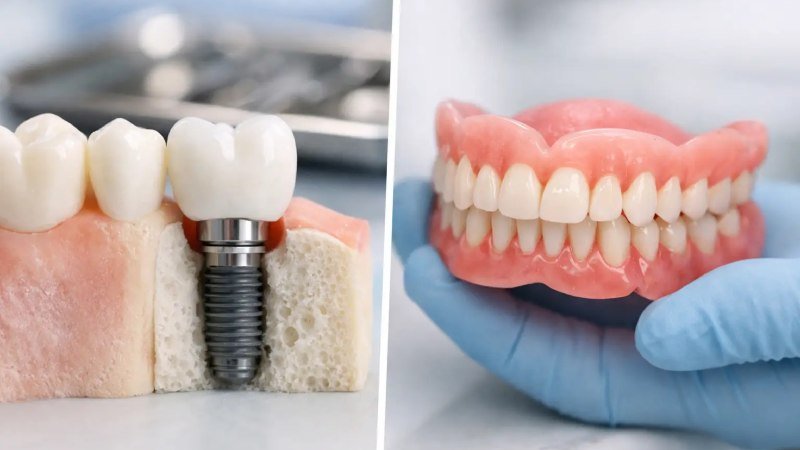
The concept is relatively straightforward, although the clinical planning behind it can be highly sophisticated. Instead of replacing every missing tooth with an individual implant, an All-on-4 approach uses four strategically positioned dental implants to support a fixed full-arch prosthesis. For appropriately selected patients, this can provide a stable alternative to conventional removable dentures while reducing the number of implants required to restore an entire arch.
From Replacing Teeth to Rebuilding Function
Tooth loss rarely exists in isolation. Missing teeth can affect how a person bites, speaks and eats, while prolonged tooth loss may contribute to changes in the jawbone. Conventional dentures can restore some appearance and function, but they are removable and may move during eating or speaking.
Implant-supported solutions approach the problem differently. Dental implants are placed into the jawbone and, after successful integration, can provide a foundation for a fixed restoration.
The appeal of the All-on-4 implant lies partly in its strategic design. The treatment can use available bone more efficiently in certain patients, particularly when bone resorption has occurred in areas where conventional implant placement might otherwise be more challenging.The clinician may position the posterior implants at an angle to make use of stronger areas of available bone, depending on the patient’s anatomy and treatment plan.
However, this is not a one-size-fits-all procedure. Comprehensive assessment is essential. A dentist or implant team may consider bone volume, gum health, existing medical conditions, bite relationships, oral hygiene habits and lifestyle factors before determining whether this approach is appropriate.
Digital Planning Is Changing Implant Dentistry
One of the most significant changes in contemporary implant dentistry is the increasing role of digital technology.
Three-dimensional imaging, digital impressions and computer-assisted planning can help clinicians understand the relationship between the jawbone, nerves, sinuses and other anatomical structures before treatment begins. Rather than relying solely on conventional two-dimensional images, clinicians can develop a more detailed understanding of a patient’s individual anatomy.
Digital planning can also improve communication. Patients can better understand the proposed treatment when clinicians can demonstrate the intended position of implants and the design of the future restoration.
For Australian dental practices, this reflects a broader shift towards personalised dentistry. The objective is not simply to place implants but to coordinate surgery, prosthetic design, aesthetics and long-term maintenance around the patient’s individual needs.
Oral Health Still Matters After Implant Treatment
It can be tempting to think that once a fixed implant-supported restoration has been fitted, oral health concerns are essentially finished. In reality, maintenance becomes even more important.
Dental implants are not susceptible to tooth decay in the same way natural teeth are, but the surrounding gums and supporting tissues remain vulnerable to inflammation and infection. Plaque accumulation around implants can contribute to peri-implant disease, potentially affecting the tissues supporting the restoration.
This makes daily cleaning and professional maintenance important components of long-term implant care. Patients may need specialised brushes, interdental cleaning devices or other techniques recommended by their dental team.
Lifestyle choices matter too. Smoking is particularly relevant because tobacco exposure can interfere with healing and is associated with increased risks around periodontal and implant health. Put simply, smoking can exacerbate existing oral health problems and may make successful long-term implant maintenance more difficult.
For someone considering full-arch implants, therefore, they should view the treatment as part of a broader commitment to oral health rather than as an isolated dental procedure.
The Australian Perspective: Long-Term Thinking
Australia’s dental landscape combines advanced clinical technology with an increasingly informed patient population. People researching full-arch rehabilitation are no longer necessarily looking only for an immediate cosmetic transformation. Many want to understand longevity, maintenance, recovery, costs and what their daily life will look like after treatment.
That shift is important.
A successful restoration should function within real life. Patients still need to eat a varied diet, maintain meticulous oral hygiene, attend dental reviews and respond promptly to any changes around the implants. The quality of the final result depends not only on the surgical procedure but also on diagnosis, planning, prosthetic design, maintenance and patient participation.
Cost is another consideration. Full-arch implant treatment can represent a substantial investment, and Australian patients should examine what is included in a proposed treatment plan. Consultation fees, imaging, surgery, temporary teeth, final prostheses, follow-up appointments and future maintenance may all form part of the overall financial picture.
A More Connected View of Modern Dentistry
The most interesting development in implant dentistry may not be the implant itself, but the way different areas of dentistry are becoming connected.
Implant surgery, prosthodontics, digital imaging, preventive dentistry and patient education increasingly work together rather than existing as separate parts of treatment. The result is a more comprehensive approach to restoring oral function.
For suitable patients, All-on-4 treatment can represent a meaningful step forward in full-arch rehabilitation. However, clinicians can achieve the best results with this technology when they combine it with careful diagnosis, realistic expectations, and consistent oral care.
Ultimately, modern implant dentistry is not simply about creating a new set of teeth. It is about creating a sustainable foundation for eating, speaking, smiling and caring for the mouth over the years ahead. In that sense, All-on-4 dental implants are most valuable not as a shortcut around oral health, but as part of a broader strategy for rebuilding it.