

Attachment Focused Therapy: How It Helps Heal Relationship Trauma
Let’s talk about relationship pain that lingers. You carry it with you.This appears in new partnerships.It whispers warnings when someone gets close. It floods your body with old fear. You try to move forward. You try to trust again. Something holds you back.
This is not weakness. This is your attachment system speaking. Lessons were learned long ago. It learned that love can hurt. It learned that people leave. These lessons protect you. They also imprison you. There is a way to heal this. It happens through connection itself.
The Body Keeps the Score of Love
Your earliest relationships shaped your nervous system. They taught you what to expect from people. If those early bonds involved pain, your body remembers. It remembers the abandonment.Your mind remembers the inconsistency. It remembers the fear. These memories don’t live in your thinking brain. They live in your body. They trigger automatically.
A partner withdraws slightly. Your chest tightens. Your heart races. You prepare for disaster. This is not drama. This is survival. Healing requires reaching these deep places. Talk therapy alone often misses them. A different approach goes deeper. This is where attachment focused therapy enters the picture.
Beyond Traditional Talk Therapy
Sitting and talking has value. It organizes thoughts. It provides insight. For attachment wounds, insight is not enough. You can understand your pattern perfectly. You can still repeat it endlessly. The wound lives in the relational space. It exists between people. It activates in connection.
Therefore, healing must also happen in connection. Attachment focused therapy uses the therapeutic relationship itself as medicine. The therapist offers something new. They offer consistent presence. They offer reliable attunement. Your system slowly learns a different truth. Not all relationships repeat the past.
The Therapist as a Secure Base
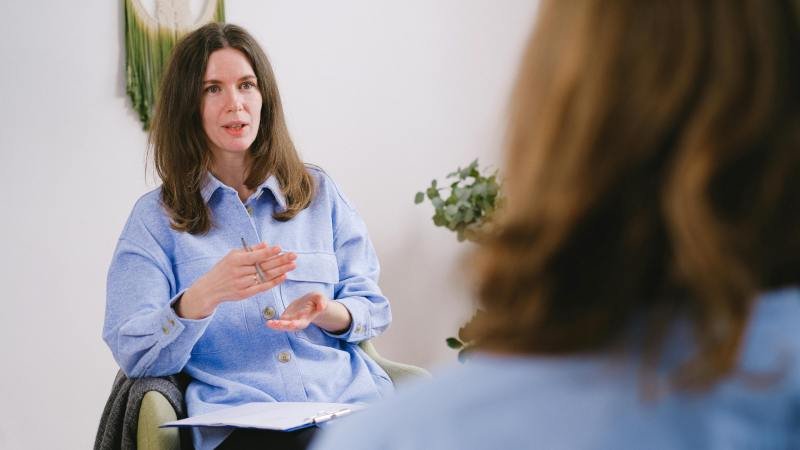
Imagine a safe harbor after a storm. That is what the therapist becomes. They show up consistently. Those things stay in mind that truly matter to you.They track your emotional shifts. They don’t punish you for needing them. Don’t withdraw when you get close.
This consistent experience does something profound. Your nervous system begins to recalibrate. It experiences safety in connection. It learns that vulnerability does not always lead to harm. The therapist becomes a secure base. From this base, you can explore. You can risk new ways of being in relationship.
Working With Rupture and Repair
Here is where the real healing happens. No relationship is perfect. Even the safest therapist will miss things. They will misunderstand sometimes. They will accidentally hurt your feelings. In attachment focused therapy, these moments become gold. They are not failures. They are opportunities. The therapist notices the rupture. They acknowledge it. They repair it.
This sequence is everything. Your early wounds likely involved ruptures without repair.You were hurt by someone who never tried to make amends.
Experiencing genuine repair heals that old wound. Your brain learns that connection can survive mistakes. Relationships can bend without breaking.
Accessing Deeper Layers
This therapy often works with more than words. The therapist might guide you toward bodily sensations. In which part of your body do you feel that? What happens inside when I say that? These questions access deeper layers. They bypass the thinking mind. They reach the places where old trauma lives.
You might cry without knowing why.You may experience anger that feels stronger than expected. These are not signs of weakness. They are signs of depth. The old wounds are surfacing. They are finally getting the attention they always needed.
The Role of the Therapist’s Presence
The therapist does not remain neutral. They are not a blank screen. Bring their full, authentic self into the room. They show genuine care. They express real concern. Celebrate your progress. This authentic presence matters immensely. Your early attachment figures either showed up or didn’t. A distant, clinical therapist would repeat old patterns.
A warm, present therapist offers something new. You experience being truly seen. You experience mattering to someone. This is not transference to analyze. This is a real human connection that heals.
Healing the Inner Child
You will likely meet younger versions of yourself in this work. The scared child who got left behind. The angry child who learned to hide. The desperate child who clung too hard. These parts exist within you still. They drive your adult reactions.
Attachment focused therapy creates space for them. The therapist helps you offer compassion to these younger selves.You learn to treat them with kindness.
You stop punishing them for their needs. You become the safe caregiver you always deserved. This internal shift transforms external relationships.
Ripples Into Current Relationships
The work in therapy does not stay in the room. It follows you home. It changes how you show up with partners. Notice when you pull away. You catch yourself before you lash out. You ask for what you need instead of hoping someone guesses. Your partner benefits from your healing. They experience a more regulated, more present version of you.
The old cycles begin to loosen. New patterns emerge. Relationships become places of growth instead of survival. This is the gift of attachment focused therapy. It does not just heal the past. It transforms your future capacity for love.