
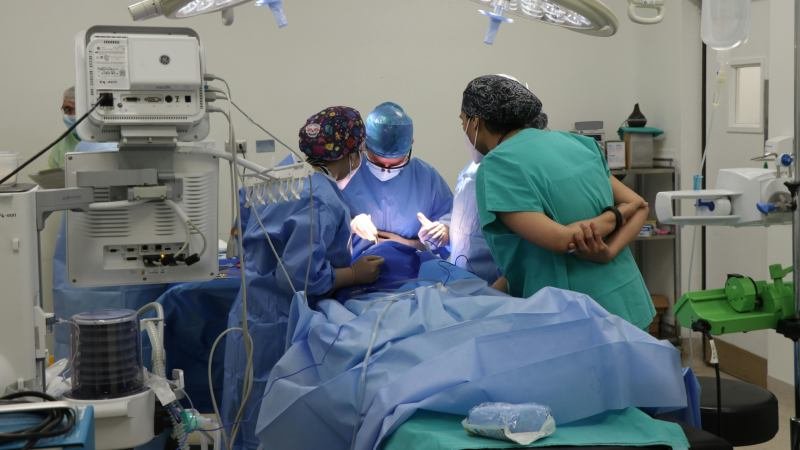
Precision in Care: How Hospitals Can Elevate Surgical Treatment Standards
Every patient who enters an operating room places complete trust in the hands of a medical team. That trust depends on more than skill alone. It relies on systems that work smoothly, clear communication, and a commitment to getting every detail right. Surgical care today is not just about performing procedures; it is about delivering consistent, high-quality outcomes with minimal risk. Hospitals that focus on precision in care create safer environments, improve recovery times, and build long-term confidence among patients. Achieving this level of care requires attention at every stage, from staffing to technology to post-operative follow-ups.
This article takes a closer look at what truly helps hospitals raise their surgical standards and where meaningful improvements can make the biggest difference.
Building a Culture of Precision and Accountability
Hospitals that aim to improve surgical outcomes must first shape the right mindset among their teams. Precision begins with how people approach their work each day. When every team member understands that even small details matter, the quality of care improves naturally. On order to set this kind of culture, leaders need to set clear expectations and lead by example. Surgeons, nurses, and support staff should feel responsible not only for their own tasks but also for the overall success of each procedure.
Hiring Highly Skilled Technical Staff
A strong surgical team depends heavily on the technical staff that supports it. Surgical technologists play a direct role in preparing equipment, maintaining sterile environments, and assisting during procedures. Hiring individuals who have the right training and experience can make a clear difference in how smoothly surgeries run.
Today, many schools for surgical technologists offer advanced programs that focus on practical skills and updated techniques. These programs prepare professionals to handle modern surgical environments with confidence. As a result, hospitals now have access to a more skilled workforce than before. By selecting candidates who meet high standards and continue to grow in their roles, hospitals can reduce delays, avoid preventable mistakes, and improve patient safety.
Investing in Advanced Surgical Technology
Technology has become an important part of modern surgical care. Hospitals that invest in updated tools can improve both accuracy and efficiency during procedures. Advanced imaging systems, for example, help surgeons see more clearly and make better decisions in real time. Minimally invasive equipment can reduce recovery time and lower the risk of complications for patients.
Standardizing Surgical Protocols
Consistency is one of the most effective ways to improve surgical care. When hospitals use standardized protocols, they reduce confusion and limit variation in how procedures are performed. Clear guidelines help every team member understand their role at each stage of surgery. This structure allows teams to work more efficiently and with greater confidence.
Standard protocols also support better communication. When everyone follows the same process, it becomes easier to coordinate actions and respond quickly to changes. Surgical checklists are a good example of this approach. They ensure that important steps are not missed, especially in high-pressure situations.
Strengthening Preoperative Planning
Preparation before surgery often determines how well the procedure will go. Preoperative planning gives the surgical team a clear understanding of the patient’s condition and any potential risks. This stage includes reviewing medical history, conducting necessary tests, and discussing the plan in detail.
When teams take the time to prepare thoroughly, they can anticipate challenges and avoid last-minute decisions. Clear planning also ensures that all required equipment and personnel are ready before the procedure begins. This reduces delays and creates a smoother workflow in the operating room.
Enhancing Communication in the Operating Room
Clear communication in the operating room can directly affect the outcome of a procedure. Surgical environments often move quickly, and each team member must understand what is happening at every moment. When communication breaks down, even small misunderstandings can lead to delays or errors. Hospitals that focus on improving how teams communicate create a more controlled and focused environment.
Simple practices can make a big difference.
Pre-surgery briefings allow everyone to review the plan and clarify their roles. During the procedure, direct and respectful communication helps the team respond quickly to any changes. After surgery, short debriefings give teams a chance to discuss what went well and what could improve. Eventually, these habits build trust among team members and support better coordination in future cases.
Prioritizing Patient Safety Measures
Patient safety should remain at the center of every surgical decision. Hospitals that take this seriously create systems that reduce risks at every stage of care.
Infection control is one of the most important areas. Maintaining a sterile environment, following hygiene protocols, and monitoring compliance all help prevent complications.
Surgical safety checklists also play a key role. They guide teams through essential steps before, during, and after procedures. These checklists help ensure that nothing important is overlooked, even in complex situations. When safety measures become part of daily routines, they stop feeling like extra steps and start becoming standard practice. This approach not only protects patients but also supports staff in delivering consistent care.
Continuous Skill Development for Surgical Teams
Healthcare continues to evolve, and surgical teams must keep up with new techniques and knowledge. Hospitals that invest in continuous learning create teams that feel more confident and capable in their roles. Regular training sessions give staff the chance to refine their skills and learn updated practices.
Workshops and hands-on learning opportunities also help teams stay prepared for different types of cases. Learning from real experiences can be especially valuable. When teams review past procedures, they gain insights that improve future performance.
Encouraging growth at every level helps create a workforce that adapts well to change and maintains high standards over time.
Improving Postoperative Care and Follow-Up
Surgical care does not end once the procedure is complete. The recovery phase plays an important role in the overall outcome. Hospitals that focus on strong postoperative care help patients heal more safely and comfortably. Monitoring patients after surgery allows staff to detect any early signs of complications.
Clear instructions also make a difference. When patients understand how to care for themselves after leaving the hospital, they are more likely to recover without issues. Follow-up appointments provide another layer of support. These check-ins give healthcare providers a chance to assess progress and address any concerns.
Raising surgical standards is not about one major shift. It is about making thoughtful choices at every level of care. When hospitals pay attention to how teams communicate, how safety is handled, and how learning continues, they create an environment where improvement becomes part of everyday work.
Each step adds to a bigger picture—one where care feels more reliable, more focused, and more human. That is where real progress begins, and it is where patients start to notice the difference.