Speak to Heal: How Better Communication Improves Patient Care
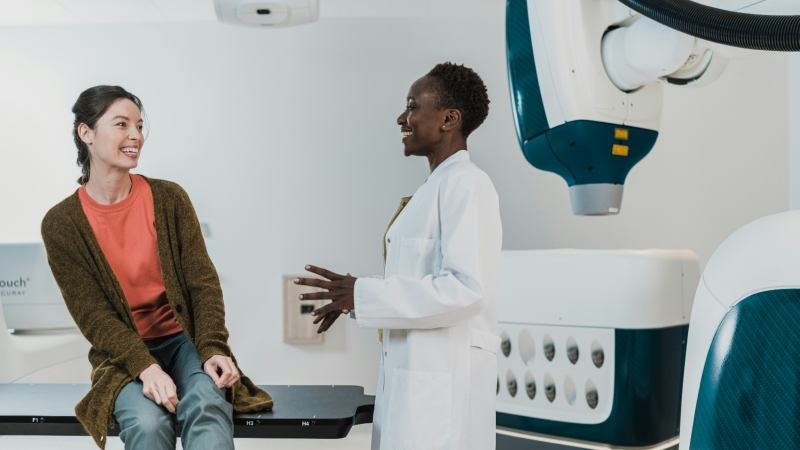
Quality healthcare begins with meaningful conversation. Every diagnosis, prescription, and reassurance depends on how well information is exchanged. Clear communication improves patient care in several direct ways. Patients describe symptoms more accurately when they feel heard. Providers make better clinical decisions when details are precise and complete. Treatment plans become easier to follow when instructions are explained in plain language.
Healthcare settings can feel overwhelming. Medical environments move quickly, and emotions often run high. Calm, thoughtful dialogue helps patients feel grounded. Confidence grows when providers explain next steps in a steady and respectful tone. Families also benefit when updates are delivered with clarity.
Trust as the Foundation of Care
Trust forms the backbone of every successful patient interaction. Patients share personal information about their bodies and lives, often during vulnerable moments. Honest dialogue becomes possible when they sense genuine attention and respect. Small details such as eye contact, posture, and tone carry weight. A provider who listens without rushing sends a powerful message of care.
Open communication encourages patients to disclose concerns they might otherwise withhold. Symptoms that feel embarrassing or minor sometimes hold clinical significance. Accurate histories depend on comfort and transparency.
Education Pathways to Strengthen Communication in Healthcare
Strong communication skills do not develop by chance. Healthcare professionals benefit from structured education that sharpens clarity, cultural awareness, and language proficiency. Academic programs, certifications, and specialized coursework provide practical tools for engaging diverse patient populations with confidence. Many of these programs offer flexible formats, allowing working professionals to build communication expertise while continuing their clinical responsibilities.
Formal training exposes providers to communication theories, second-language acquisition principles, and strategies for simplifying complex terminology. These frameworks help professionals adjust their speech based on the patient’s background, literacy level, and emotional state. Healthcare professionals who work with multilingual patients often opt for a master in TESOL online program to improve their communication skills and better support diverse communities. Flexible online pathways make it easier to balance advanced study with demanding healthcare schedules.
Clarity in Diagnosis and Treatment Plans
Medical knowledge holds little value if patients leave confused about their condition. Clear explanations allow individuals to understand what is happening in their bodies and why certain treatments are necessary. Simple language strengthens comprehension without diminishing clinical accuracy. Patients appreciate direct answers delivered without unnecessary jargon.
Treatment adherence improves when instructions are specific and easy to follow. Dosage schedules, lifestyle adjustments, and follow-up appointments require precision. Confusion can lead to skipped medications or improper use. Confirming understanding through brief follow-up questions helps ensure clarity. Shared understanding supports shared responsibility.
Active Listening and Patient-Centered Conversations
Listening shapes the quality of every clinical encounter. Patients often arrive with a list of concerns that extend beyond visible symptoms. Open-ended questions invite fuller responses and reveal important context. Interruptions can signal disinterest, while patience communicates respect.
Reflective listening strengthens accuracy. Paraphrasing a patient’s words confirms understanding and prevents misinterpretation. Emotional cues also emerge during attentive conversations. Stress, fear, or frustration may influence how symptoms are described. Recognition of these factors leads to more comprehensive care.
Team Communication Within Healthcare Settings
Patient care rarely depends on a single professional. Nurses, physicians, specialists, and support staff contribute to treatment plans. Precise communication among team members protects continuity of care. Clear handovers during shift changes prevent critical details from being lost.
Consistent terminology reduces confusion across departments. Mixed messages can erode patient confidence and delay progress. Respectful collaboration fosters a stable working environment where concerns are addressed quickly. Open channels of communication encourage team members to clarify uncertainties without hesitation.
Emotional Intelligence in High-Stress Situations
Healthcare environments carry emotional weight. Fear, uncertainty, and urgency often surround serious diagnoses or emergency care. Emotional intelligence allows providers to respond with steadiness rather than haste. Patients look for reassurance in tone, facial expression, and word choice. Calm communication creates a sense of stability when circumstances feel overwhelming.
Empathy plays a central role in these interactions. Acknowledging a patient’s fear validates their experience without dismissing it. Honest conversations about risks and outcomes require sensitivity and clarity. Direct language prevents confusion, while compassion softens difficult truths. Families also rely on thoughtful explanations during critical moments.
Technology and Digital Communication in Patient Engagement
Modern healthcare extends beyond in-person visits. Telehealth appointments, patient portals, and secure messaging platforms now shape everyday interactions. Clear digital communication has become essential. Written instructions must remain concise and easy to understand, since tone can be harder to interpret through text alone.
Virtual consultations demand focused attention to pacing and clarity. Patients rely on verbal explanations without the benefit of physical presence. Steady speech and organized information prevent confusion. Visual cues through video also carry meaning, so attentiveness remains important even on screen.
Training and Continuous Improvement in Communication Skills
Communication skills require intentional development. Clinical expertise alone does not guarantee effective dialogue. Structured training programs help healthcare professionals refine how they speak, listen, and respond. Workshops, peer feedback, and simulated patient interactions provide practical insight.
Role-playing exercises prepare providers for sensitive discussions such as delivering complex diagnoses or discussing long-term treatment plans. Constructive feedback highlights areas for growth without undermining confidence. Reflection also plays a role. Providers who evaluate their own communication habits identify patterns that may need adjustment. Patient expectations continue to evolve. Ongoing education ensures communication strategies remain relevant and responsive.
Strong communication influences every stage of patient care. Trust forms when providers listen attentively and speak with clarity. Cultural awareness and language proficiency expand access to respectful treatment. Clear explanations reduce uncertainty and strengthen adherence to care plans. Team coordination ensures continuity, while emotional intelligence supports patients during vulnerable moments. Digital communication further extends the reach of thoughtful dialogue.
Patient outcomes improve when conversations are intentional and precise. Words guide decisions, shape perceptions, and build confidence. Healthcare professionals who refine their communication skills strengthen not only clinical effectiveness but also the human connection at the center of medicine. Purposeful communication transforms routine interactions into meaningful steps toward healing.


