
Understanding Hair Transplants: What to Expect Before, During, and After the Procedure
Losing hair can feel like losing a little piece of yourself. For many people, thinning at the crown or a receding hairline brings worry long before anyone else notices. So when curiosity turns toward a hair transplant, plenty of questions usually follow. What actually happens during surgery? Does recovery hurt? When do results show up?
We want to walk you through every stage, from first thoughts to final regrowth, so nothing feels like a mystery. Knowing what lies ahead helps you make calmer, more confident choices about your own restoration journey.
What a Hair Transplant Really Is
A hair transplant moves healthy follicles from areas where growth stays strong to spots where coverage has faded. Most clinics today rely on Follicular Unit Extraction, often shortened to FUE. With this method, surgeons remove individual follicles one at a time from a donor zone, usually at the back of your head, then place each one into thinning areas.
Because follicles are taken separately rather than in a strip, FUE leaves no long scar and tends to heal faster. Clinics that perform this work, such as the team behind this FUE hair transplant page, set out their technique and suitability criteria so patients know what care actually involves.
The transplanted follicles keep their original genetic traits, which means they usually resist future loss. As a result, new growth blends naturally with hair already there.
Before the Procedure: Getting Ready
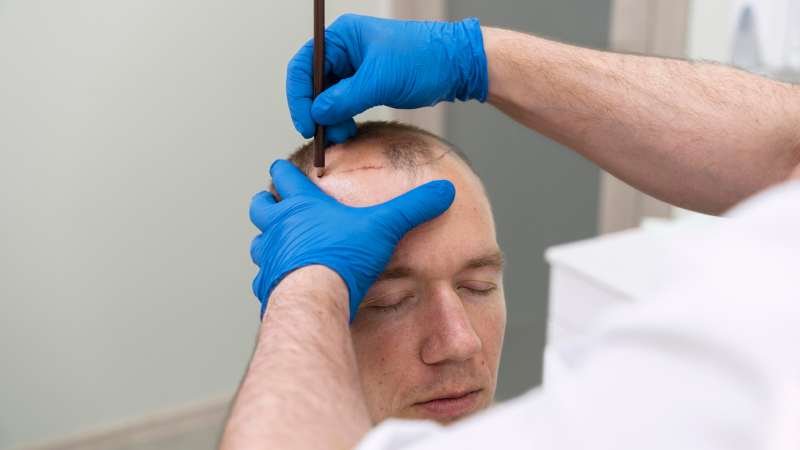
Good preparation makes a real difference to how smoothly everything goes. Most clinics start with a consultation, where a doctor checks scalp condition, donor density, and overall suitability. This conversation matters, since honest expectations shape how happy you feel later.
Here are a few steps that usually come first:
- Book a proper assessment. A scalp evaluation tells you whether transplantation suits your pattern of loss.
- Share your health history. Certain medications and conditions can affect healing, so full disclosure protects you.
- Adjust daily habits. Doctors often suggest pausing alcohol, smoking, and some supplements in the days beforehand.
- Plan your downtime. A long weekend off work gives early redness time to settle.
Looking after general wellbeing helps too. Sleep, hydration, and steady nutrition all support recovery, and broader health plays a bigger role than many expect. Research keeps showing how connected different body systems are, something this look at the link between gum health and heart disease illustrates well. Caring for your whole self sets a strong foundation.
During the Procedure: What Actually Happens
On surgery day, nerves are completely normal. Knowing the rhythm of the appointment can ease them. Treatments run in-clinic, usually finish within a single day, and use local anaesthetic, so you stay awake but comfortable throughout.
The session generally flows like this:
- Donor extraction. Follicles come out one by one from the chosen area, carefully and methodically.
- Site preparation. Surgeons create tiny channels in thinning zones, matching your natural hair angle and direction.
- Placement. Each follicle goes into position to mirror your existing density and growth pattern.
Most people are surprised by how relaxed the day feels. Many chat, listen to music, or simply rest. Discomfort stays minimal because anaesthetic does its job, and breaks happen whenever needed.
Time in the chair depends on how many follicles move across. Larger sessions take longer, yet skilled teams keep things steady and unhurried, since precision drives the final look far more than speed.
After the Procedure: Recovery and Results
Once surgery wraps up, the healing chapter begins, and patience becomes your greatest ally. Early days bring some redness, mild swelling, and tiny scabs around each graft. These signs fade quickly for most patients, usually within a week or so.
Aftercare instructions guide you through gentle washing, sleeping positions, and activities to skip for a short while. Following that advice closely protects the freshly placed follicles. Returning to everyday routines often happens within a few days, though heavy exercise waits a little longer.
Then comes a surprising stage many people forget about: shedding. Transplanted hairs frequently fall out within the first few weeks. While that sounds alarming, it signals the follicles resetting before fresh growth pushes through. New strands typically appear around three to four months later, with fuller results building across the following year.
A few habits help during this window:
- Treat your scalp gently and avoid scratching.
- Stay out of harsh sun while skin recovers.
- Keep hydration and nutrition consistent.
- Trust the timeline rather than checking the mirror daily.
Glowing skin and steady energy reflect overall care, not just clever products, a theme echoed in this guide to brighter eyes and reducing dark circles. Wellbeing shows up everywhere, scalp included.
Setting Realistic Expectations
Results vary from person to person, and that truth deserves honesty. Hair type, scalp condition, age, and aftercare all shape outcomes. A good clinic talks openly about what surgery can and cannot achieve, helping you picture a realistic finish rather than a fantasy.
Keep these points in mind:
- Full results take roughly twelve months to mature.
- Density looks natural rather than instantly thick.
- One session suits some people, while others benefit from a follow-up.
- Ongoing care can protect remaining native hair.
Choosing a doctor-led clinic adds reassurance, because medical oversight means safety and suitability stay front and centre at every step.
Final Thoughts
Considering a hair transplant is a personal decision, and feeling informed makes that choice far easier. From the first consult through to twelve-month regrowth, each stage has a clear purpose, and none of it needs to feel daunting.
Take time, ask questions, and lean on professionals who explain things plainly. When expectations stay grounded and aftercare stays consistent, a hair transplant can quietly restore something many people thought was gone for good: confidence in the mirror, every single morning.


