
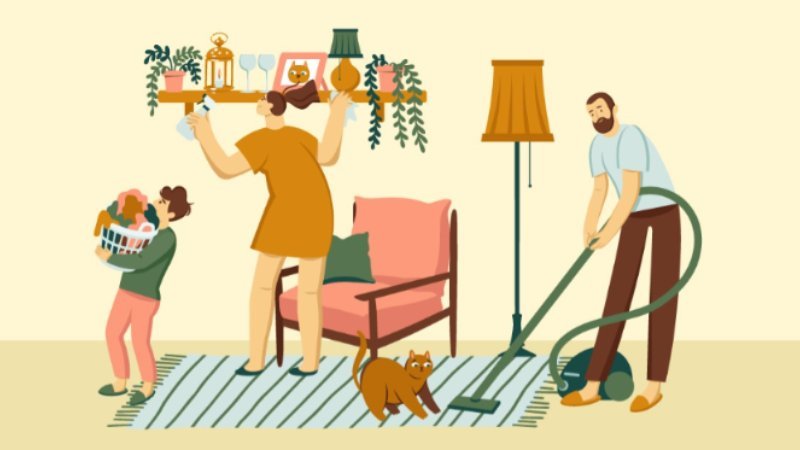
How Does Cleaning Count As Exercise? 4 Health Benefits You Should Know
A significant number of people desire to be active, yet life usually makes it difficult to exercise regularly.
With the long working hours, family life, and the time spent in front of the screen, physical movement gradually decreases during the day. Consequently, you experience a lack of energy, body stiffness, or a lack of motivation to engage in structured exercises. Meanwhile, not all people like going to the gym or adhering to strict workout regimens, particularly when time and energy are scarce.
However, there is an easy way to exercise and remain active without altering your routine. Everyday household activities are a way that your body can be naturally in motion as you do your daily activities. These little things might not seem like exercise, but they do use your muscles and make you healthier.
This article explains how cleaning counts as exercise and what benefits it can offer your body.
How Does Cleaning Count as Exercise?
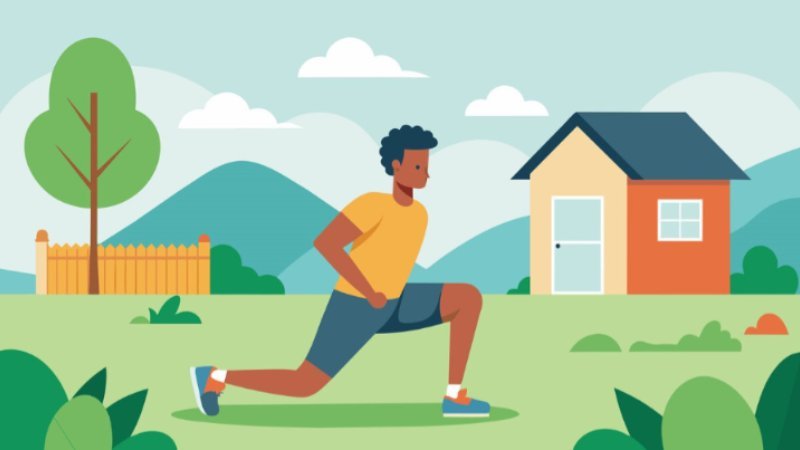
If you have ever asked yourself, “Does cleaning count as exercise?”, the answer is yes in many situations.
Cleaning keeps your body in motion through everyday actions like walking, bending, lifting, stretching, and reaching while you complete different chores around the house. Although such movements might seem basic and ordinary, they do serve the purpose of keeping your muscles active and avoiding prolonged sitting.
Household chores can also cause your body to work a notch harder since they involve repetitive movement for a few minutes. Simple tasks like vacuuming carpets, mopping floors, and scrubbing surfaces can bring you into the breathing gently and keep your arms and legs moving in unison. Consequently, your body burns calories as you remain active throughout the day.
This is made more evident when you consider what cleaning is doing to your body:
- Turns daily chores into light physical activity without a workout
- Breaks long sitting time and keeps your body moving
- Uses many muscles, like arms, legs, and core, together
- Helps you stay active in small, regular ways
- Adds extra movement that helps burn energy
Although cleaning should not replace a full exercise routine, it can still support a more active lifestyle in a simple way. Small movements done often can help you feel more active and less stiff throughout the day.
Benefits Of Cleaning as Exercise
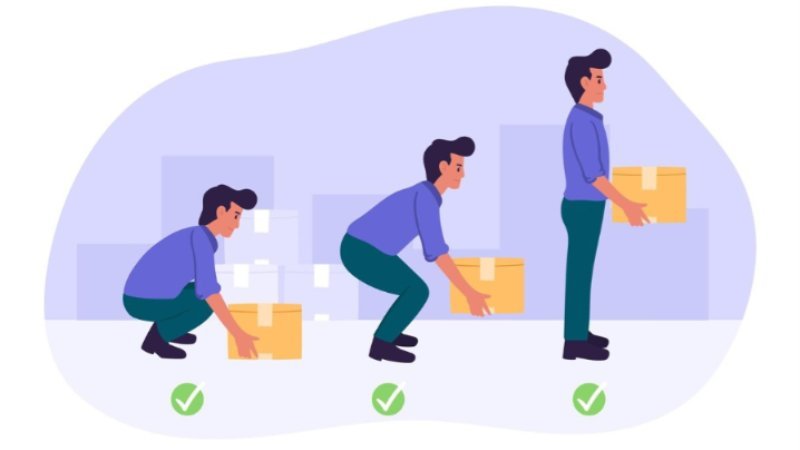
Cleaning may seem like a simple daily task, but it can offer several health benefits when done regularly and with movement in mind.
Support Heart Health
As your body continues to move in its daily activities, your heart automatically responds and works in a controlled and consistent manner. Vacuuming floors, wiping surfaces, or other light-weight housework activities promote active movement, which raises circulation gently. When this occurs, oxygen is transported more efficiently throughout your body, which contributes to the overall cardiovascular activity.
Meanwhile, domestic cleaning minimizes the amount of time sitting, a factor that can be significant in terms of heart health throughout the lifespan. Rather than just sitting around, you keep moving around as you change rooms and activities. These regular motions might not be very tough, but they aid endurance and contribute towards a more efficient functioning of your heart in the long term.
Help Burn Calories
Every day chores involve physical activities, which inherently make your body consume more energy during the day. Even simple tasks such as washing up the dishes, cleaning the floors, or tidying up the room involve several groups of muscles at a time. Due to this constant motion, your body keeps on burning calories even when you are doing normal tasks.
More physically demanding activities, like deep cleaning or moving things, cause higher energy consumption as well. These activities might feel ordinary, but bring about some significant motion to an otherwise inactive day. In the long run, these small bursts of activity accumulate, keeping you more active without allocating additional time to structured activities or exercises.
Improve Mobility and Flexibility
Regular household activities often require your body to move in different directions, which helps maintain joint function and muscle flexibility. Reaching high shelves, bending to pick up items, or twisting while organizing spaces keeps your body engaged in varied motion patterns. These repeated movements help reduce stiffness and support smoother physical coordination.
As your body stays active through these natural motions, it becomes easier to perform everyday physical tasks without discomfort. This kind of movement also helps counterbalance long hours of sitting, which often leads to tight muscles. Over time, these small actions contribute to better physical ease and improved control over daily movements.
Reduce Stress and Boost Mood
A clutter-free environment often creates a sense of mental clarity, and engaging in cleaning activities helps you achieve that while also keeping your body active. As you organize and tidy your surroundings, your mind becomes more focused and less overwhelmed by visual distractions. This creates a calming effect that can ease daily mental pressure.
Physical activity during cleaning also plays a role in improving emotional balance, as movement can help the body release tension built up from daily routines. Additionally, stepping away from screens and completing simple tasks gives your mind short breaks that feel refreshing. Together, these effects contribute to a more peaceful and balanced mental state at home.
Conclusion
Cleaning may look like a simple daily task, but it also plays a helpful role in keeping your body active and healthy. It supports heart health, helps burn calories, improves flexibility, and can even reduce stress over time.
While it does not replace regular exercise, it still adds valuable movement to your daily routine in an easy way. When you include cleaning as part of your lifestyle, you stay active without extra effort. In the long run, these small actions can support better physical and mental well-being.