
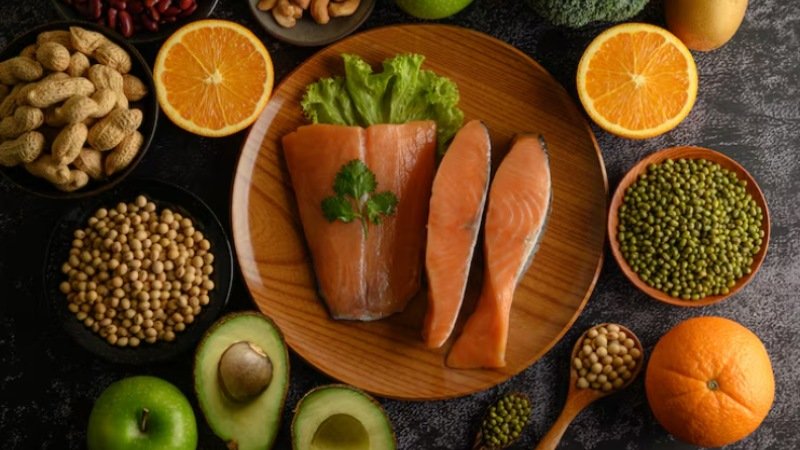
Omega-3 fats are key nutrients that do a lot of good things in your body. They help keep your heart healthy, work with your brain, keep your vision sharp, and help your body control normal inflammation. Your body cannot make omega-3 fats, so you have to get them from the foods you eat or from a supplement.
The great news is that there are many omega-3-rich foods for all kinds of eating styles. Whether you are an omnivore, vegetarian, vegan, or pescatarian, there are foods to help you meet your omega-3 needs every day. Knowing the best dietary sources makes it easier to build balanced meals that support long-term health.
Top Omega-3 Foods You Should Include in Your Diet
Not all omega-3 foods provide the same type of fatty acids. Marine sources mostly contain EPA and DHA, while plant foods primarily provide ALA.
Salmon
Salmon is one of the richest natural sources of EPA and DHA. It also contains high-quality protein, vitamin D, selenium, and other nutrients that support overall wellness. Regular consumption of salmon is one of the easiest ways to boost omega-3 intake.
Sardines
Sardines are small oily fish that pack a rich supply of omega-3 fatty acids. They are also a good source of protein, calcium, and vitamin B12. Since they are lower on the food chain, sardines usually contain lower levels of mercury than many larger fish.
Mackerel
Mackerel provides high amounts of the omega-3 fatty acids EPA and DHA, making it one of the richest dietary sources. It has a rich flavor and provides healthy fats along with vitamin D, selenium, and B vitamins. Including mackerel in your weekly meal plan can help maintain a consistent omega-3 intake.
Herring
Herring provides generous amounts of omega-3 vitamins while also supplying vitamin D and protein. It is commonly enjoyed fresh, smoked, or pickled in many parts of the world.
Trout
Rainbow trout is a nutritious freshwater fish that provides both EPA and DHA. It is also a good source of protein, potassium, and several essential vitamins.
Flaxseeds
Flaxseeds rank among the best plant-based foods for obtaining omega-3 fatty acids.They provide ALA and can easily be included in your daily meals. Ground flaxseeds are easier to digest than whole seeds and can be added to smoothies, yogurt, oatmeal, cereals, or baked goods.
Chia Seeds
Chia seeds provide a generous amount of ALA along with fiber, protein, antioxidants, and important minerals. They can easily be mixed into drinks, puddings, cereals, and yogurt.
Walnuts
Walnuts are one of the few nuts naturally rich in omega-3 fatty acids. They also provide healthy fats, antioxidants, and plant protein, making them an excellent snack.
Hemp Seeds
Hemp seeds provide ALA, complete plant protein, magnesium, iron, and zinc. Their mild, nutty flavor makes them easy to add to salads, smoothies, and grain bowls.
Choosing the Right Omega-3 Foods for Your Diet
The best omega-3 source depends on your dietary preferences and nutritional needs.
For People Who Eat Fish
Fatty fish remains the best and most natural source of EPA and DHA. Many health organizations recommend eating at least two servings of oily fish each week to support heart and brain health.
For Vegetarians
Vegetarians who consume dairy products and eggs can rely on flaxseeds, chia seeds, walnuts, hemp seeds, and canola oil as sources of ALA. Some may also choose algae-based omega-3 supplements to obtain DHA.
For Vegans
Vegans can meet their omega-3 needs by including a variety of ALA-rich foods every day. Algae oil supplements provide a direct plant-based source of DHA and, in some cases, EPA.
For People Who Do Not Like Seafood
If you do not enjoy eating fish, plant-based omega-3 foods and high-quality fish oil supplements can help you maintain adequate intake. Reading nutrition labels and selecting products that clearly list EPA and DHA content can make choosing a supplement easier.
Eating omega-3-rich foods does not require major dietary changes. A few simple habits can help increase your intake.
- Aim to include fatty fish in your meals at least two times per week.
- Sprinkle ground flaxseeds over oatmeal, cereal, or yogurt.
- Mix chia seeds into smoothies, yogurt, or overnight oats for an easy omega-3 boost.
- Enjoy a small handful of walnuts as a healthy snack between meals.
- Include hemp seeds in salads, soups, or grain bowls.
- Add canned sardines or anchovies to sandwiches, salads, or pasta dishes.
- Choose an algae-based omega-3 supplement if you follow a plant-based diet.
Choosing a variety of omega-3-rich foods helps provide a balanced mix of nutrients while supporting overall health. Including both marine and plant-based sources whenever appropriate makes omega-3 a regular part of a healthy and well-balanced diet.