A respiratory therapist program in Ontario can be the first step toward a hands-on healthcare career where your work directly helps people breathe, recover, and feel safe during some of the hardest moments of their lives.
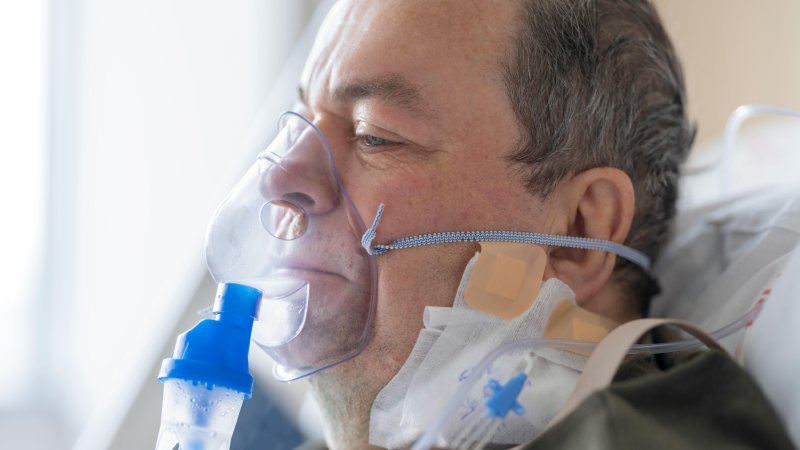
Think about a patient who walks into a hospital struggling to catch their breath.
Their chest feels tight.
Their family is scared.
The room moves fast, but one trained professional knows how to check oxygen levels, manage breathing equipment, and support the care team.
That person may be a respiratory therapist program in Ontario graduate who knows how to help when breathing becomes difficult.
What Does a Respiratory Therapist Do?
A respiratory therapist helps patients who have trouble breathing because of illness, injury, surgery, or long-term health conditions.
They may work with patients who have asthma, COPD, pneumonia, sleep apnea, lung disease, or breathing problems after an accident.
Some respiratory care specialists also support newborn babies, older adults, and patients in emergency rooms or intensive care units.
This is not a career where you sit behind a desk all day.
You are checking patients, using medical equipment, talking with nurses and doctors, and helping people when every breath matters.
That is what makes the job meaningful.
It is also what makes proper training so important.
Why Students Choose Respiratory Care
Many students choose this path because they want a healthcare career that feels personal.
You are not just reading charts.
You are standing beside real people.
You may help a child use a breathing treatment.
You may calm a worried parent.
You may explain a machine to a patient who feels nervous.
One student remembered their first lab day because the equipment looked intimidating at first.
There were tubes, masks, monitors, and settings they had never used before.
After practicing a few times, the process started to feel less confusing.
That is when the student realized respiratory care is not just about machines.
It is about knowing how to use those tools to help a real person feel safe.
What You Learn in a Respiratory Therapy Program
A respiratory therapy education usually covers both science and patient care.
Students often study anatomy, physiology, cardiopulmonary care, pharmacology, medical terminology, and clinical procedures.
You learn how the lungs work.
You learn how oxygen moves through the body.
You learn how to notice signs of breathing distress.
You also learn how to use equipment such as ventilators, oxygen delivery systems, nebulizers, and monitoring devices.
This mix of classroom learning and practical training helps prepare students for real healthcare settings.
The goal is not just to memorize facts.
The goal is to understand how to respond when a patient needs help.
Why Ontario Students Look for Flexible Training Options
Students in Ontario often have busy lives.
Some are working part-time.
Some are changing careers.
Some are parents.
Others are fresh out of school and trying to find a healthcare path with real purpose.
That is why flexible learning options matter.
A respiratory care program with online or distance education support can help students manage school while handling daily responsibilities.
Of course, healthcare training still needs structure, discipline, and practice.
Students must be ready to study, ask questions, and stay consistent.
Flexibility helps, but commitment is what keeps students moving forward.
What Makes This Career Different From Other Healthcare Roles?
Respiratory therapy is focused on breathing and heart-lung care.
That makes it more specialized than many general healthcare support roles.
You are trained to understand oxygen therapy, airway management, breathing treatments, lung function, and emergency support.
This can be a strong fit for students who enjoy science but also want direct patient contact.
It is also a good match for people who stay calm under pressure.
Hospitals can be busy.
Patients can be scared.
A respiratory therapist needs steady hands, clear communication, and good judgment.
A Realistic Look at the Student Experience
Starting a healthcare program can feel intimidating.
The first few weeks may include new terms, new systems, and new expectations.
Words like ventilation, arterial blood gases, spirometry, and pulmonary function may sound difficult at first.
Then slowly, they start to make sense.
One common experience students share is the feeling of being nervous before practicing a skill for the first time.
Maybe it is setting up oxygen equipment.
Maybe it is learning how to assess a patient’s breathing pattern.
At first, every step feels slow.
With practice, the process becomes smoother.
That is how confidence grows.
Not overnight.
One lab.
One lesson.
One patient care scenario at a time.
Skills You Need to Succeed
A strong student in respiratory care does not need to be perfect.
They need to be curious, focused, and willing to practice.
Good communication is important because you will often explain procedures to patients.
Attention to detail matters because small errors in healthcare can create serious problems.
Compassion also matters.
Patients with breathing problems may feel panic, fear, or frustration.
A calm voice can make a big difference.
Teamwork is another key skill.
Respiratory therapists often work closely with doctors, nurses, emergency teams, and other healthcare professionals.
You need to listen, respond, and share information clearly.
Career Settings for Respiratory Therapy Graduates
Graduates may work in hospitals, clinics, emergency care departments, sleep labs, rehabilitation centers, long-term care facilities, or home health settings.
Some may work with patients recovering from surgery.
Others may support people with chronic breathing conditions.
Some may help with diagnostic testing or pulmonary rehabilitation.
The career can offer variety because breathing care is needed in many areas of healthcare.
Every day may look different.
One patient may need oxygen support.
Another may need education about managing a condition.
Another may need urgent help during a medical crisis.
That variety keeps the work active and meaningful.
What to Look for in a Respiratory Therapy Program
Choosing the right program is a serious decision.
Students should look for a curriculum that covers core respiratory care topics, clinical thinking, patient safety, and practical skills.
Support also matters.
Good instructors, clear lessons, student resources, and career-focused training can make the journey easier to manage.
Students should also think about schedule, learning format, cost, and long-term career goals.
Do not choose a program only because it sounds fast.
Choose one that helps you build real knowledge and confidence.
Healthcare is not a field where shortcuts help.
Patients deserve trained professionals who understand what they are doing.
Is Respiratory Therapy a Good Fit for You?
This path may be a good fit if you enjoy science, healthcare, and helping people directly.
It may also fit you if you want a career where your work feels important every day.
But it is not always easy.
You may study late.
You may repeat skills until they feel natural.
You may face emotional moments in clinical settings.
Still, many students find that the challenge is part of what makes the career rewarding.
There is something powerful about helping someone breathe easier.
It is simple, human, and deeply important.
Common Challenges Students Should Expect
Every healthcare program comes with challenges.
Respiratory therapy students may need to balance science courses, lab practice, exams, and clinical preparation.
Some students struggle with medical terms at first.
Others need extra time to get comfortable with equipment.
That is normal.
The key is not to panic when something feels hard.
Break the material into smaller pieces.
Review notes often.
Practice skills more than once.
Ask questions when something does not make sense.
Many students find that the hardest topics become easier after they connect them to real patient situations.
For example, learning about oxygen levels may feel technical in a textbook.
But when you imagine a patient gasping for air, the lesson becomes real.
How Training Builds Confidence
Confidence in healthcare does not come from guessing.
It comes from repetition, feedback, and experience.
A student may first learn a concept in class.
Then they may practice it in a lab.
Later, they may see how it applies in a patient care setting.
That step-by-step process matters.
It helps students move from “I read about this” to “I know how this works.”
A future respiratory care professional needs that kind of confidence.
Patients and care teams depend on clear thinking.
When breathing issues happen, there may not be much time to hesitate.
Strong training helps students learn how to stay calm, follow procedures, and make informed decisions.
Final Thoughts
Choosing a respiratory therapy program is more than picking a school path.
It is choosing a career built around patient care, quick thinking, and real responsibility.
For future healthcare workers in Ontario, respiratory care can offer a meaningful way to enter the medical field with specialized skills.
The work can be demanding, but it can also be deeply rewarding.
When a patient is scared and struggling to breathe, the right training helps you become the person who knows what to do next.