
Commonly Asked Questions Regarding Drug Testing in the Workplace
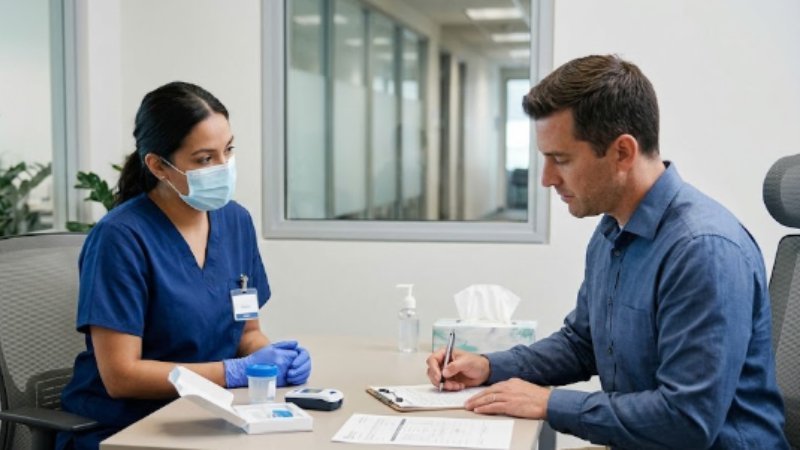
Testing for drugs in the workplace is perhaps the most popular form of testing, but there is an absence of enough information on the subject. Every company has the right to decide on how to implement testing depending on its own situation, stage of work, etc. Furthermore, it may differ whether testing is performed on hair samples or urine samples, which type of testing will be conducted, when, and much more. It is essential to understand certain basic facts regarding drug testing and also to learn answers to the questions that are usually asked.
Why Do Organizations Conduct Drug Tests on Their Employees?
It might very well be that there are many different reasons for conducting drug tests on employees of organizations. The reason might be safety concerns, compliance issues, or even productivity. Organizations in sectors like construction, transport, and manufacturing require a very high level of safety to exist within the organization. This is because accidents might happen within the organization if the employee is under the influence of any drug. Moreover, sometimes, the organization is required to conduct drug testing because it is part of the rules.
What Substances Are Usually Tested During Drug Testing?
As a rule, the purpose of conducting a drug test during employment is to check whether there are any traces of drugs used by humans in the body. Typically, the list of drugs in the test includes cocaine, amphetamine, opiates, and PCP, as they are considered dangerous due to their impact on performance and safety. Nevertheless, the substance composition of a drug test does not always stay unchanged. It may vary according to the policies of the organization, working conditions, or other external factors. Sometimes, an employer would prefer conducting a drug test without THC.
When and Under What Circumstances is Drug Testing Performed on Employees?
Employees are tested for drugs based on the policies and the hiring procedures adopted by the organization. The tests are carried out depending on the employment level of the employees.
Pre-Employment Testing
The pre-employment testing is done prior to the employment of the employee. Through the testing, the employer is able to find out whether the potential employee is taking any substance that could intoxicate them. Pre-employment testing is common and frequently used whenever there are issues of safety. Normally, it marks the last stage in the recruitment process.
Random and Periodic Testing
The employer has the option of performing random testing on the employees. Random testing entails the performance of testing without notifying the individual under scrutiny. Random testing is very prevalent among companies that prioritize the implementation of safety protocols.
Post-Accident Testing
Post-accident testing is conducted following a workplace injury or any other safety breach. The main objective is to determine whether the accident was caused by substance abuse. This kind of testing takes place in a very hazardous setting, and its significance lies in the evaluation of safety measures.

What are the Various Types of Drug Tests Used?
There are various ways in which the employer can perform drug tests, all with their individual merits. Tests are selected based on issues such as cost, convenience, and the type of substance being screened.
Urine Testing
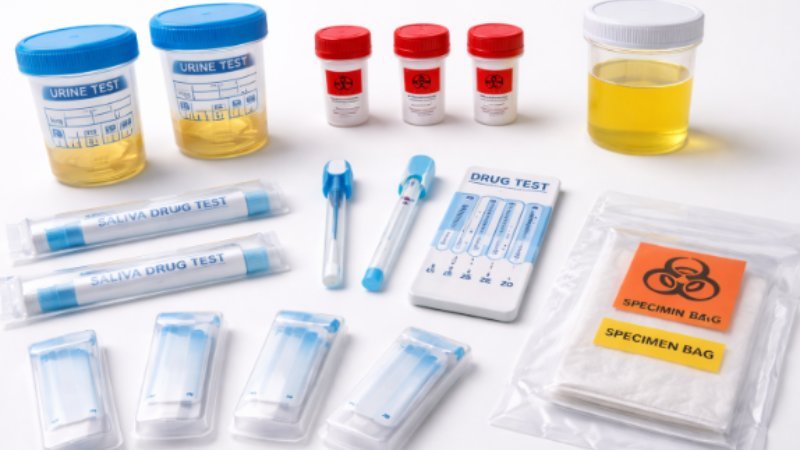
These are the most widely used drug tests in workplaces. They are relatively inexpensive and easy to carry out; they also last longer than other types of drug tests. Their ease of use and effectiveness make them a preferred mode of screening by many employers.
Tests Involving Saliva
These tests may also be termed oral fluid tests. They are done to determine whether there is recent consumption of intoxicating drugs. These tests are less invasive; thus, they can be easily administered in the workplace. Most companies prefer using them to obtain instant results rather than the previous test.
Types of Other Tests
Hair and blood tests are carried out based on particular circumstances. For instance, hair tests are used to identify long-term drug abuse. However, although blood tests are precise, they are rarely carried out because of their complexities and costliness.
Is There Uniformity in the Policy of Drug Testing in Various Workplaces?
There is a difference in the policies of drug testing from one sector to another since such testing has legal restrictions. The policy to be used by various institutions differs because there is no universal rule.
Difference in Sectors
Every sector carries different types of risks, and those industries carrying a lot of risk have high levels of standards in drug testing. For office employment, it is less strict as performance in such organizations is the main issue.
Legal and Regional Differences
In regard to law, the policies of drug testing in various organizations are mainly regulated by the laws relating to this field. There might be variations in the region in relation to the test that should be done and the way it should be carried out.
Conclusion
The process of drug screening in the workplace setting involves a number of considerations. Such factors as the needs of the company, the job position held by the employee, and the validity of the procedure itself can be mentioned here. If you have some knowledge regarding various types of screenings, then you will comprehend the overall process.