
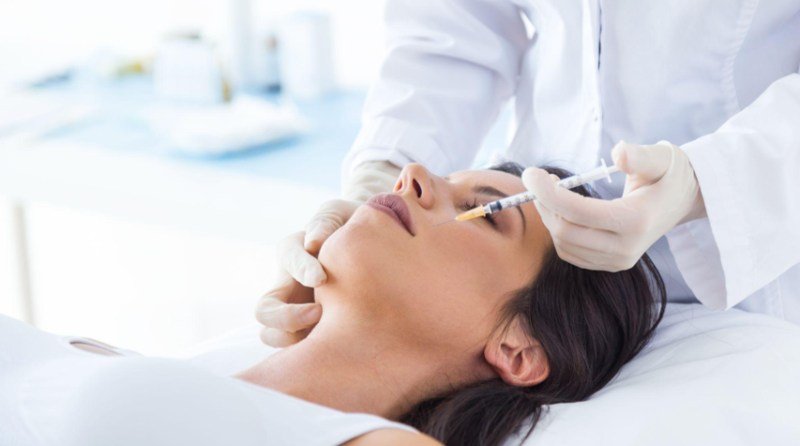
Nurse Botox Injector Training: The Complete Guide to Becoming a Safe and Confident Nurse Botox Injector
Becoming a competent nurse botox injector training participant is not just about completing a course or earning a certificate. For most nurses entering aesthetics, real confidence develops later, through supervised practice, patient exposure, and repeated clinical application.
The field of medical aesthetics continues to grow rapidly, with Botox treatments among the most commonly performed non-surgical procedures worldwide. Demand for qualified aesthetic injectors has increased significantly over the past decade, especially among registered nurses transitioning from hospital or primary care settings.
However, many early-career injectors discover a gap between theory and real-world practice. Understanding facial anatomy in a classroom is very different from applying injections safely on diverse patients with unique muscle structures and aesthetic goals.
This guide explores what it truly takes to become a safe and confident injector, including training timelines, qualifications, and the step-by-step pathway for nurses entering this evolving field through nurse botox injector training.
How long does it take to become a certified Botox injector?
The timeline for becoming a certified injector varies depending on prior medical experience and the type of training program completed.
Most nurses entering rn aesthetic injector training or rn cosmetic injector training can expect an initial certification process of a few days to several weeks. However, certification alone does not equal clinical readiness.
Typical progression timeline
- Introductory certification course: 2–5 days
- Supervised practice phase: 3–6 months
- Competency development period: 6–18 months
Aesthetic educators often emphasize that confidence develops gradually. As one training perspective highlights, “Certification is the starting point, not the endpoint of safe aesthetic practice.”
Key learning milestones
- Understanding facial musculature and vascular structures
- Practicing injection placement under supervision
- Learning dosage calibration for different patient needs
- Managing early complications and corrections
While courses provide foundational knowledge, real skill is built through repetition and guided clinical exposure.
What qualifications do you need to become a Botox injector?
To enter the field of aesthetic injections, healthcare professionals must meet baseline medical and regulatory requirements. These differ slightly by country, but core expectations remain consistent.
Essential qualifications
- Active nursing license (RN or NP depending on scope)
- Completion of approved nurse injector training program
- Understanding of pharmacology related to neuromodulators
- CPR or basic life support certification
For advanced roles such as nurse practitioner injector training, additional autonomy may allow independent assessment and treatment planning depending on local regulations.
Core skills developed during training
- Facial anatomy mapping
- Patient consultation and assessment
- Injection depth and technique control
- Risk identification and complication management
Common training gap
Many newly certified injectors report confidence in theory but hesitation in practice. Structured rn injector training programs help bridge this gap through:
- Live patient demonstrations
- Mentor-led injection sessions
- Case-based learning reviews
Comparison of training focus
| Training Stage | Focus Area | Outcome |
| Foundation course | Theory & anatomy | Basic certification |
| Supervised practice | Hands-on injections | Skill development |
| Advanced mentorship | Complex cases | Clinical confidence |
How long does it take to become a nurse for Botox?
The pathway to becoming a Botox injector as a nurse is not a single-step process. It involves both formal education and ongoing clinical development.
For most professionals entering rn injector training, the full transition from beginner to competent injector typically takes 6 months to 2 years.
Stages of development
1. Entry stage (0–3 months)
Nurses complete foundational training programs covering anatomy, product knowledge, and injection safety.
2. Transition stage (3–12 months)
Hands-on practice begins under supervision. This stage is critical for building muscle memory and injection precision.
3. Competency stage (12–24 months)
Injectors begin handling more independent cases with refined judgment and improved aesthetic outcomes.
Aesthetic training studies consistently show that repeated supervised exposure significantly improves both safety outcomes and patient satisfaction rates.
How to become a cosmetic injector nurse?
Becoming a cosmetic injector nurse requires a structured progression from clinical nursing into aesthetic specialization. It is not only about learning injection techniques but also developing strong clinical judgment.
Step-by-step pathway
Step 1: Build medical foundation
Start with a nursing qualification and gain clinical experience in patient care. This strengthens assessment and safety decision-making skills.
Step 2: Enroll in certified training
Complete an accredited nurse Botox injector training program covering:
- Facial anatomy
- Injection techniques
- Product handling
- Emergency protocols
Step 3: Gain supervised experience
Work under experienced injectors or medical directors. This stage is essential for reducing errors and improving technique precision.
Step 4: Progress into independent practice
With time, repetition, and feedback, nurses develop the ability to treat patients independently while maintaining safety standards.
Common challenges for new injectors
- Lack of confidence in first independent treatments
- Difficulty assessing facial asymmetry
- Over-reliance on theory rather than tactile skill
- Managing patient expectations
Structured mentorship and continued education help address these challenges effectively.
Expert insight
Aesthetic educators often note that “confidence is not taught, it is earned through supervised repetition and reflective practice.” This highlights why ongoing development is critical even after certification.
Why hands-on experience matters more than certification
Across all stages of rn injector training, one principle remains consistent: real competence is built in clinical environments, not classrooms.
Key benefits of supervised practice
- Improves injection accuracy
- Reduces risk of vascular complications
- Enhances patient communication skills
- Builds long-term clinical confidence
Hands-on training also exposes nurses to real-world variability, something textbooks cannot fully replicate.
Conclusion
Becoming a safe and confident Botox injector is a progressive journey rather than a one-time achievement. While certification provides essential knowledge, true clinical competence develops through supervised practice, repetition, and structured mentorship.
For nurses entering aesthetic medicine, the most important question is not just “Am I certified?” but “Am I clinically ready to treat patients safely and consistently?”
As the field continues to evolve, those who invest in continuous learning and real-world experience will be best positioned to deliver safe, natural, and effective results.