Essential Oral Hygiene Habits to Improve Daily Health
Good oral hygiene is the foundation of a healthy life. More than just a means of keeping your smile bright, daily oral care profoundly impacts your well-being. Failing to care for your teeth and gums can result in more than just cavities and bad breath. Research links poor oral health to systemic conditions such as heart disease, diabetes, and even respiratory infections. It is important to create consistent routines that support a healthy mouth, and simple habits, such as choosing the right toothbrush or incorporating floss picks, can make all the difference.
Oral hygiene is not just about aesthetics. Prevention is at the core of a healthy mouth. Small, daily steps reduce the risk of costly dental procedures and help maintain confidence in social and professional settings. By staying proactive, you can minimize common issues like oral discomfort, bleeding gums, and bad breath before they escalate. The link between oral health and your overall wellness cannot be understated. Bacteria from gum disease can enter the bloodstream and contribute to inflammation in other parts of the body, emphasizing the importance of daily care. Understanding the correct practices and common mistakes empowers you to build a sustainable oral hygiene strategy that supports your everyday health. Establishing a routine goes beyond occasional brushing. Factors such as proper flossing technique, regular dental check-ups, mindful dietary choices, and the use of approved tools are all vital. To ensure your efforts matter, let’s break down effective habits for every aspect of oral hygiene, backed by recommendations from leading dental experts and major health organizations.
Effective Brushing Techniques
Brushing is at the core of every oral hygiene regimen. Dentists recommend brushing your teeth at least twice daily, always using fluoride toothpaste. To maximize results, use a soft-bristled toothbrush and replace it every 3 to 4 months, or sooner if the bristles have frayed. When brushing, hold your toothbrush at a 45-degree angle to your gums and make gentle circular motions rather than harsh back-and-forth strokes. Be mindful of your timing after eating acidic foods or drinks. Acid can temporarily soften enamel, and brushing right away may contribute to erosion. Wait 30 to 60 minutes before brushing, so your saliva can neutralize acids. These fundamental steps protect both teeth and gums, ensuring you remove plaque while preserving enamel. For a broader perspective on how daily habits shape oral health, explore in-depth resources from the Centers for Disease Control and Prevention.
The Importance of Flossing
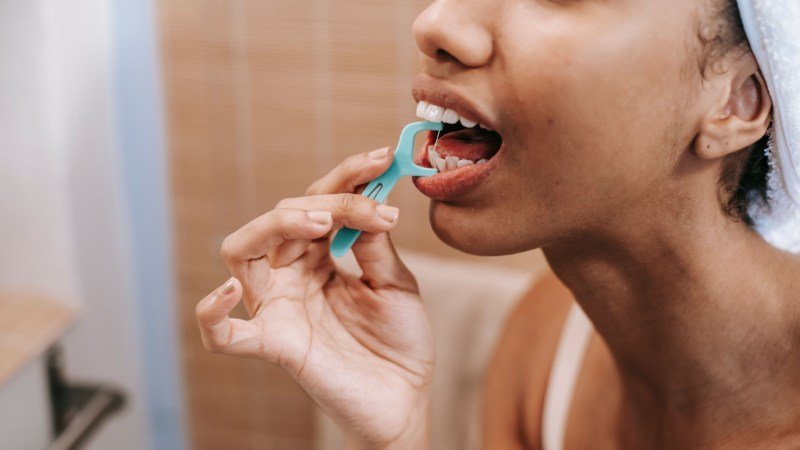
While brushing cleans the surfaces of your teeth, flossing is crucial for cleaning between them. Flossing once a day removes plaque and trapped food particles from tight spaces that a toothbrush cannot reach. To floss correctly, use a gentle sliding motion, curving the floss around each tooth and moving it up and down to reach below the gumline. Neglecting this step increases your risk of cavities and gum disease. Floss picks can be a great alternative for those who find traditional floss challenging to use, offering greater convenience and the same benefits. Maintaining this habit as a non-negotiable part of your routine ensures long-term protection for both teeth and gums.
Regular Dental Check-Ups
Even with diligent brushing and flossing, professional dental visits remain necessary. Dentists can spot problems, such as cavities, gum disease, or early signs of oral cancer, that may not be visible or painful at first. A thorough cleaning at the dentist’s office reaches places regular home care cannot and reinforces your daily efforts. Scheduling a check-up and cleaning at least every six months sets the stage for catching issues early, which is both cost-effective and helps preserve natural teeth longer.
Diet and Oral Health
The foods and beverages you choose play a significant role in oral health. Diets high in sugar and acid foster tooth decay. Sipping on sugary drinks or frequent snacking increases the risk of cavities, as does a diet rich in processed foods. Limiting these treats while focusing on fresh vegetables, fibrous fruits, and lean proteins helps protect your mouth. Water is essential not just for overall health but also for oral hygiene, as it washes away particles and neutralizes acids. Chewing sugar-free gum stimulates saliva production, which combats bacteria and helps repair early tooth damage. Simple dietary adjustments pay big dividends for a cavity-free smile and robust gum health.
Additional Oral Hygiene Practices
For an extra layer of defense, consider adding a mouthwash to your routine. An alcohol-free mouthwash helps reduce bacteria, freshens breath, and can target specific concerns, such as gum health or sensitivity. Individuals with braces or dental work often benefit from interdental brushes or water flossers, which more effectively clean hard-to-reach areas and around appliances. Customizing your care tools to your specific dental needs enhances the effectiveness of routine brushing and flossing and addresses unique challenges, ensuring a healthy mouth even with orthodontics or restorations.
Common Mistakes to Avoid
One of the most frequent errors is brushing too hard, which can erode enamel and damage gum tissue. Always use gentle pressure. Another oversight is neglecting the tongue; bacteria can build up here, contributing to bad breath and other issues. Cleaning your tongue when you brush your teeth is a simple and effective solution. Be mindful to use only a pea-sized amount of toothpaste for adults, and replace your toothbrush regularly, as worn bristles are far less effective at cleaning.
Conclusion
Establishing and maintaining robust oral hygiene habits is key to preventing dental difficulties and promoting better overall health. Focus on proper home care techniques, stay on top of dental check-ups, make health-conscious dietary choices, and avoid common mistakes to create a routine that goes beyond just a winning smile and safeguards your overall well-being for years to come. Consistent brushing, flossing, and the use of fluoride-based products help reduce plaque buildup and lower the risk of cavities and gum disease. Regular visits to the dentist also allow for early detection of potential issues, preventing more serious complications in the future. Limiting sugary foods and acidic drinks further supports strong teeth and healthy gums. When combined, these habits contribute not only to improved oral health but also to better heart health and overall wellness. By prioritizing prevention and consistency, you can maintain a confident smile and long-term health benefits throughout your life.