Finding a Workout Routine That Actually Fits Your Life
The Problem
Roughly half of new gym members stop showing up within the first three months, according to industry retention data that gym owners rarely advertise. The reason is rarely motivation; more often, it is mismatch, as people sign up for a facility built around one training philosophy and then try to force their own goals into that mold. A powerlifter ends up in a class-only studio, while a runner joins a bodybuilding-focused gym with no track access or mobility space. Within weeks, the friction outweighs the benefit, and the membership card gathers dust in a wallet. The pattern repeats across income levels and age groups, though the underlying disconnect between goals and environment stays constant.
This mismatch problem compounds when people choose based on proximity or price alone. A gym five minutes from home sounds convenient until the equipment does not support the training style someone actually wants to pursue. Group fitness lovers stuck in gyms with no classes lose interest fast. Strength athletes without adequate free weight space plateau or get frustrated. Marketing materials rarely mention this friction, since photos of gleaming equipment sell memberships regardless of whether that equipment fits a member’s actual training style. The result is a cycle of canceled memberships, wasted money, and a growing belief that consistent exercise simply is not realistic for busy adults.
The Approach
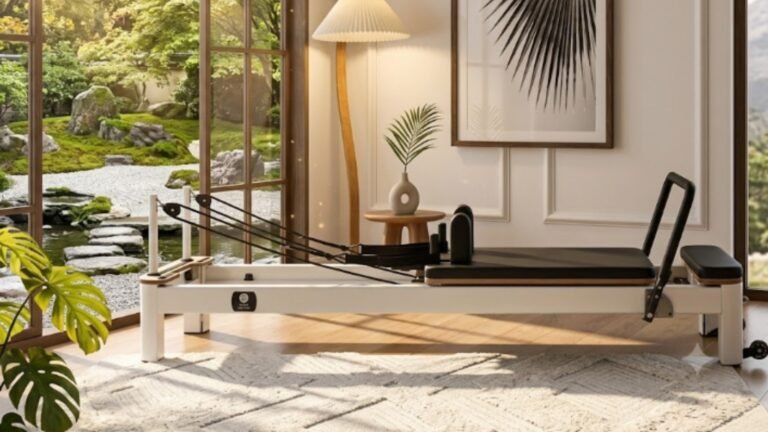
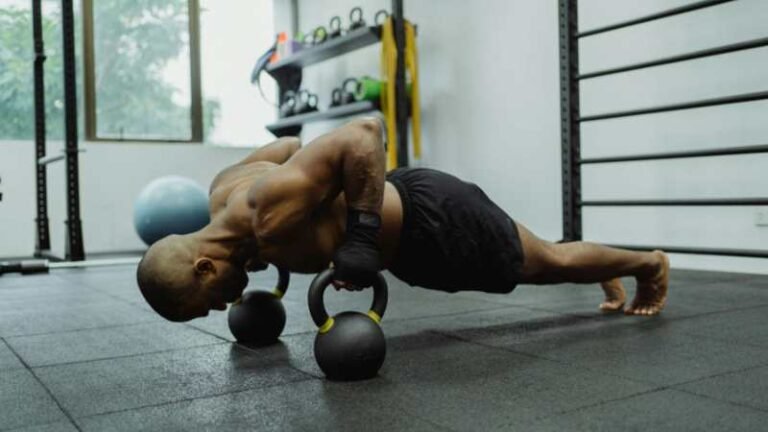
Solving this starts with treating gym selection as a matching exercise rather than a single default choice. Some want barbell-focused strength training, others want cycling studios, swimming lanes, or open floor space for functional circuits. Denver’s fitness scene now spans everything from Olympic lifting platforms to Pilates reformer studios, and matching a location to a training style matters more than matching it to a zip code. A recent roundup of Denver gyms for every workout style breaks down which facilities suit which goals, from HIIT circuits to swimming-based cardio, so people are not stuck guessing after they have already paid enrollment fees.
Once the style is identified, the approach shifts to testing before committing. Most gyms offer trial periods or day passes, and using them deliberately, rather than as an afterthought, reveals whether the equipment, class schedule, and coaching staff support the plan someone has in mind. A three-visit trial across different times of day tells more about crowd levels and machine availability than any online review. Talking to current members during a trial visit also surfaces details that no website mentions, including how crowded the squat racks get after work or whether staff actually adjust programming for beginners. This small investment of time prevents the sunk-cost problem of a year-long contract signed in haste.
What to Look For
A handful of practical markers separate a gym that supports long-term training from one that merely looks impressive on a tour.Equipment variety matters, but maintenance matters too. A facility with dozens of half-broken machines offers less value than a smaller gym that keeps its equipment in good working order.
Location and hours matter too, since a facility that closes before a shift ends effectively excludes the people who need early morning or late evening access most. Staff availability during peak hours, honest answers about class sizes, and clear cancellation policies all signal whether a business values members past the initial sign-up.
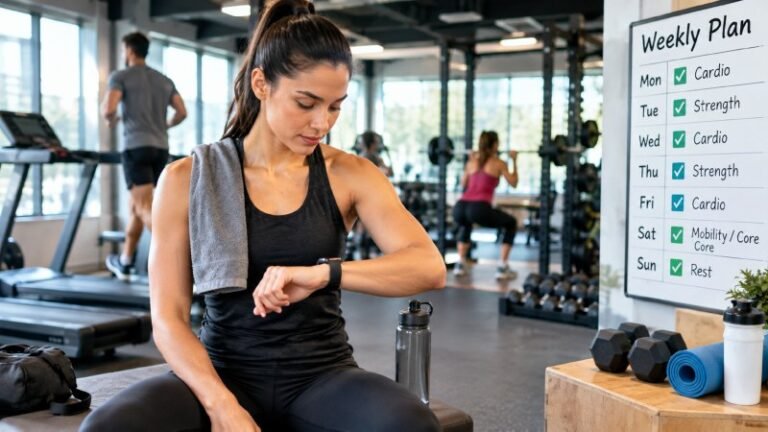
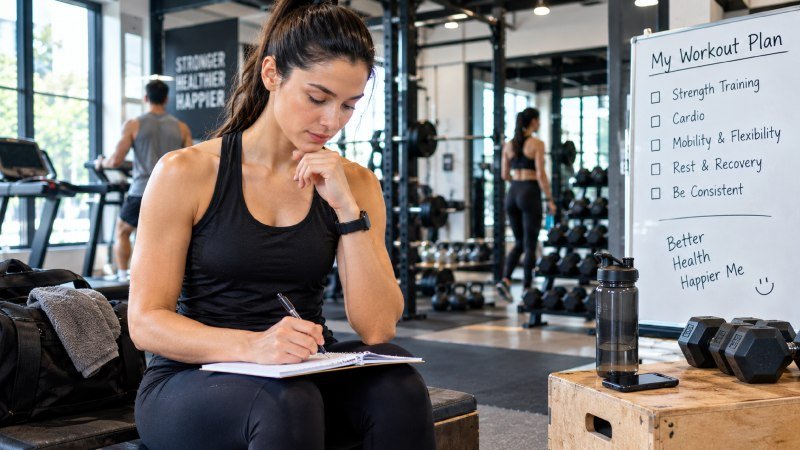
Programming quality deserves equal attention. Facilities that structure their offerings around established movement standards, similar to the ACSM physical activity guidelines, tend to produce safer and more consistent results than gyms built purely around trends. Someone training for general health benefits from a mix of strength work, cardiovascular activity, and mobility, and a gym that supports all three without forcing a single format tends to hold interest longer. None of these guidelines demand perfection or rigid adherence to a single program, only a baseline of variety that keeps a body capable over years rather than months. The right fit will not eliminate every obstacle to consistency, but it removes the structural ones, leaving personal discipline as the only variable left to manage.