
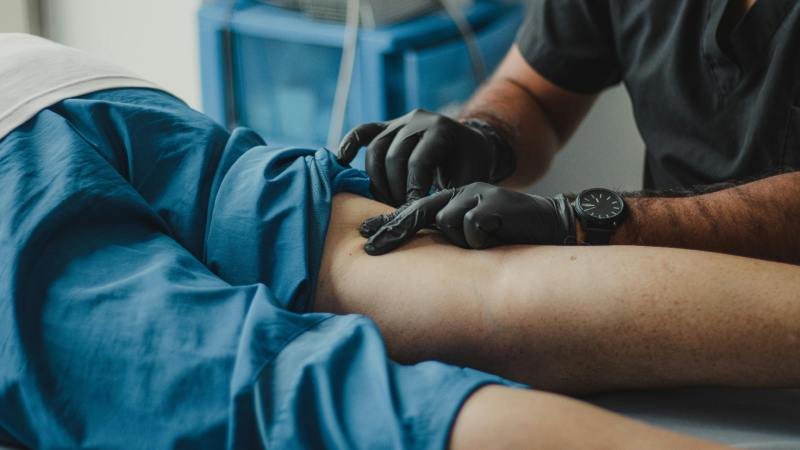
Have you ever walked into a hospital, looked around, and silently hoped your nurse got more than a quick crash course online? You’re not alone. In an era where misinformation spreads faster than flu season, patient trust is fragile. What rebuilds it? Not just clean scrubs and polite smiles—better training. When healthcare professionals receive consistent, modern, and relevant education, the result is more than competence. It’s confidence. And patients notice.
Healthcare’s Trust Deficit: Why It Matters
From vaccine hesitancy to TikTok-fueled health hacks, there’s growing skepticism around medical authority. Trust, once implicit, now must be earned appointment by appointment. According to a 2023 Gallup poll, only 34% of Americans expressed “high” confidence in the healthcare system. That’s lower than their trust in banks—and this is after a pandemic where nurses were hailed as heroes.
The issue isn’t just clinical accuracy. It’s communication. Patients don’t just want to be treated—they want to be heard, informed, and respected. And that human connection is where training plays a vital role. It equips nurses and doctors not only with knowledge but with the empathy and interpersonal skills necessary to navigate increasingly complex patient expectations.
Not Just Book Smarts: The Evolution of Nursing Education
Today’s healthcare landscape demands more than just technical skill. Emotional intelligence, cultural sensitivity, and digital literacy are part of the new baseline. The good news? Education is catching up. And it’s more accessible than ever.
Thanks to the rise of affordable RN to BSN online programs, working nurses can now enhance their expertise without stepping away from their jobs. This flexibility is especially crucial in underserved communities where healthcare providers are already stretched thin. Programs like the one offered by William Paterson University—fully online and tailored for licensed RNs—are helping fill this skills gap. The university’s RN to BSN program blends foundational nursing knowledge with leadership, public health, and evidence-based practice, preparing nurses for today’s challenges and tomorrow’s innovations.
Modern training programs understand that memorizing symptoms isn’t enough. Nurses are being taught to interpret data, collaborate with tech teams, and approach care holistically. That shift is pivotal in transforming patient interactions from transactional to trusting.
Trust Is a Two-Way Street (Paved With Soft Skills)
Training doesn’t just fine-tune clinical abilities—it shapes the way professionals show up emotionally and mentally. Picture this: two nurses walk into a room. One checks your vitals, says little, and leaves. The other explains every step, asks how you’re feeling, and listens to your concerns. Who would you trust more?
Soft skills like active listening, compassion, and cultural awareness aren’t instinctive for everyone. They’re teachable—and when healthcare systems invest in teaching them, patient satisfaction rises. A well-trained nurse knows when to speak, when to pause, and how to make patients feel safe. These seemingly small moments of connection often carry more weight than prescriptions or lab results.
When Training Meets Tech: A Digital Dose of Trust
If bedside manner builds trust, digital literacy cements it. As hospitals digitize everything from records to remote monitoring, patients expect seamless interactions with technology. When nurses fumble with a patient portal or misinterpret an electronic health record, confidence falters—quickly.
Training now includes navigating digital systems, cybersecurity basics, and even AI-assisted diagnostics. And it’s not just for show. Patients expect their caregivers to be fluent in both medicine and the machines that support it. Imagine trusting your pilot less because they couldn’t operate the autopilot. Healthcare is no different. Competency in tech tools quietly reassures patients: “I’m in good hands.”
Representation, Bias, and the Role of Inclusive Training
Let’s be honest—healthcare hasn’t always been great at equity. From maternal mortality disparities to LGBTQ+ care gaps, bias has long undermined patient trust. Inclusive training aims to change that.
When healthcare workers receive education that confronts racial, gender, and cultural biases, they’re better prepared to serve diverse populations. Patients are more likely to trust providers who understand and respect their identities. This doesn’t happen by accident. It happens when institutions prioritize inclusive curricula and ongoing anti-bias workshops. Representation matters—and so does the training that helps caregivers recognize their blind spots.
It All Adds Up: Better Training, Deeper Trust
Trust isn’t just about credentials on a wall. It’s felt in eye contact, tone of voice, and the quiet confidence of someone who clearly knows what they’re doing. Better training multiplies these moments. It builds professionals who lead with both heart and head. And patients pick up on it every time.
In a world where medical advice competes with influencers and algorithms, people crave assurance. They want to believe their nurse knows more than a subreddit. That belief is fragile—but it can be restored. Not with empty slogans, but with meaningful investments in education. Training doesn’t just build skills. It builds trust, one patient at a time.