
Low Level Laser Therapy: How LLLT Works and What Device Buyers Should Know
What Is Low Level Laser Therapy?
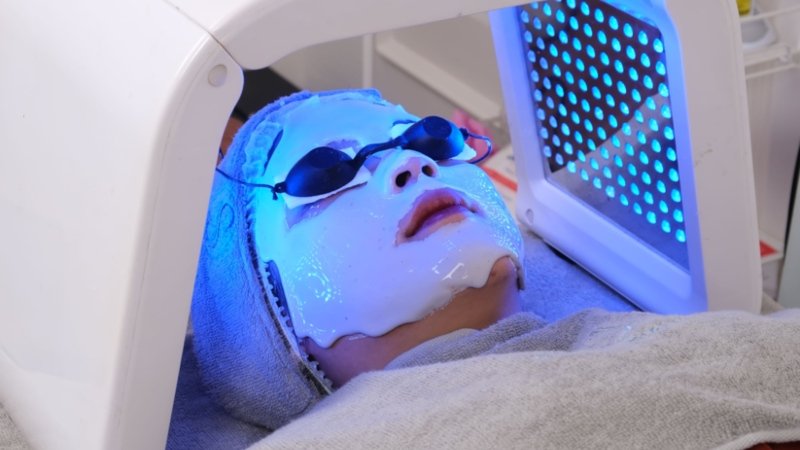
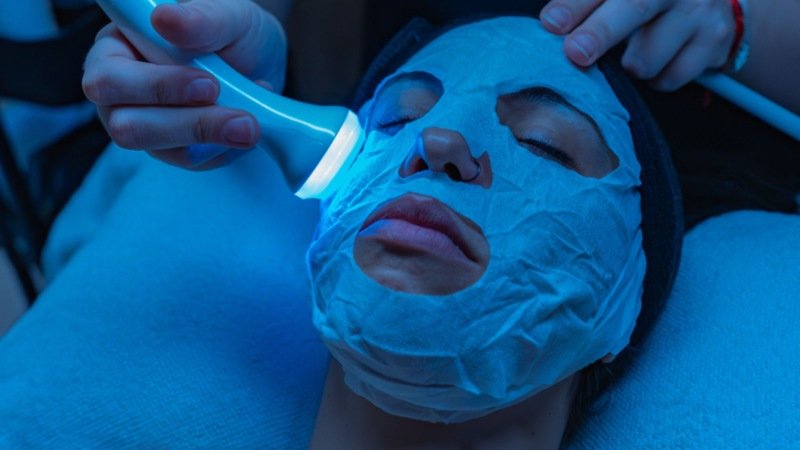
LLLT uses low-power light to interact with cells and tissues without ablating, cutting, or thermally damaging the treatment area. It is not a surgical laser, not ablative resurfacing, and not designed to burn or vaporize tissue — it’s a non-thermal method that may influence biological activity through light absorption and cellular signaling. For OEM/ODM manufacturers like Kaiyan Medical, this distinction shapes how a device is engineered, tested, and documented.
Pro tip: A good LLLT device isn’t defined by how powerful the marketing sounds — it’s defined by whether the light output and protocol match the intended use.
LLLT vs. PBM vs. Cold Laser vs. Red Light Therapy
These terms overlap but aren’t identical:
- LLLT — low-power, usually laser-based light therapy.
- Low-level light therapy — broader; may include LEDs or other non-laser sources.
- Photobiomodulation (PBM) — the modern scientific umbrella term covering lasers, LEDs, and other non-ionizing light sources.
- Cold laser therapy — a clinic-friendly phrase for low-power laser therapy that doesn’t heat tissue like surgical lasers.
- Red light therapy — the consumer-facing term, often for LED panels, masks, wraps, beds, and home-use devices.
Wording matters because product claims, customer expectations, and regulatory requirements shift depending on the term and intended use. Low level laser therapy is not automatically FDA cleared, FDA approved, or clinically proven for every condition — and it’s not a cure-all. Any brand claim needs to be supported by the device, evidence, intended use, and regulatory pathway.
How Does LLLT Work?
Mechanisms are still being studied, and results vary by tissue type, wavelength, dose, and protocol. Research repeatedly points to light absorption by mitochondrial chromophores — particularly cytochrome c oxidase — followed by downstream effects on ATP production, nitric oxide release, reactive oxygen species (ROS) signaling, blood flow, and tissue-repair pathways.
The dose matters more than the power. LLLT is often described as having a biphasic dose response: too little light may not trigger a biological response, while too much may reduce benefit or increase risk. More power is not automatically better — the device needs to deliver the right dose for the intended use.
Parameters Buyers Should Understand
LLLT outcomes depend on more than one spec. Key variables include:
- Wavelength — red light is often discussed for superficial targets, near-infrared for deeper penetration, though real tissue interaction also depends on skin type, beam geometry, and duration.
- Irradiance (mW/cm²) — power delivered per area.
- Fluence (J/cm²) — total energy delivered per area.
- Treatment time — affects total delivered dose; high output for a short time can differ from lower output for longer.
- Laser vs. LED — laser light is coherent and collimated; LED is non-coherent and better suited to broad-area illumination. Neither is a universal winner — device format should follow the use case.
Ask suppliers for measured optical output and treatment protocol, not just marketing power claims.
What Is LLLT Used For?
LLLT is studied and used for pain, inflammation, tissue repair, skin rejuvenation, acne, scars, burns, hair growth, physiotherapy, rehabilitation, and sports recovery — but evidence isn’t equal across all of these.
Some PBM devices carry FDA 510(k) clearance as adjunctive devices for temporary relief of pain — but that doesn’t mean every LLLT device can make that claim. For skin and aesthetic use, an LED face mask or similar facial device may reasonably be positioned around skin appearance, texture, and recovery support, provided claims stay tied to the device’s actual evidence and intended use rather than drifting into medical or guaranteed-outcome territory.
Hair-growth helmets and laser caps, physiotherapy/rehab tools, and dermatology applications (acne, scars, burns) follow the same rule: claims should match the specific wavelength, protocol, device type, and regulatory status — not the category in general.
Does LLLT Actually Work?
The honest answer: it depends. LLLT may work in some settings, for some endpoints, with some devices and protocols — but evidence varies by condition, dose, wavelength, population, and study quality. Small protocol changes (wavelength, irradiance, pulse structure, contact vs. non-contact) can shift outcomes, so a study on one device doesn’t automatically support every product in the category. Device quality — correct wavelength, tested output, even beam distribution, heat control, and consistent production batches — changes the real-world result just as much as the underlying science.
Device Formats: Professional, Home-Use, and OEM
- Professional devices (clinics, physiotherapy, dermatology, med spas) — handheld lasers, professional pain-relief systems, dental and scalp systems — typically need training, safety eyewear, and stronger documentation.
- At-home devices need to be simpler by design: automatic timers, conservative settings, eye-safety guidance, overuse warnings, and supportable claims, since users won’t manage laser safety or dosing themselves.
- Common formats span LED face masks, red light panels, laser caps/helmets, wearable wraps, therapy mats, handheld cold laser devices, and full-body beds — the right format follows the brand’s market position (skincare → mask, recovery → wrap/panel, med spa → professional system).
Safety, Contraindications, and Disadvantages
FDA guidance for low-level laser systems for aesthetic use describes a Class II device intended for temporary changes in physical appearance — and laser products used for medical applications must comply with medical device regulations.
Possible disadvantages include evidence that varies by condition and protocol, results requiring repeated sessions, dose sensitivity, and the risk that marketing claims outpace what the device can support. People with light sensitivity, seizure disorders triggered by light, certain eye conditions, active cancer in the treatment area, pregnancy-related concerns, or photosensitizing medications should consult a healthcare professional before use. Brands should build clear warnings and contraindications into the user manual rather than relying on a warning sticker alone.
What Affects LLLT Device Cost?
Clinic treatment cost depends on region, condition, treatment area, session count, and device used. OEM/ODM device cost is shaped by laser diode or LED quality, optical design, wavelength configuration, output testing, heat management, battery and firmware systems, safety testing, documentation, packaging, and MOQ. The cheapest option isn’t the best deal if it creates high returns, weak output consistency, or compliance risk.
What to Ask an LLLT Device Manufacturer
Before committing to a supplier, ask about:
- Optical output and dose: wavelengths used, laser vs. LED, measured output at a stated distance, irradiance, fluence, and whether test reports come from the final production model.
- Intended use and claims: whether the device is cosmetic, wellness, or medical; what claims are supported vs. should be avoided; whether regulatory status applies to the exact model being sourced.
- Quality system: ISO 13485/9001 certification, incoming material inspection, batch records, and complaint handling.
- Commercial support: MOQ, packaging and manual customization, warranty period, and after-sales documentation.
How Kaiyan Supports LLLT and PBM Device Development
Kaiyan Medical supports B2B brands across LED light therapy, LLLT, PBM, and wellness device manufacturing — going beyond assembly to cover device format selection, optical design, electronics, firmware, safety planning, documentation, and production consistency.
Product categories span LED face masks, red light panels, therapy beds, wearable wraps, therapy mats, hair-growth helmets, handheld devices, and private-label wellness products. The right format depends on the target user, treatment area, price point, and claim strategy — a med spa may need professional equipment, while an e-commerce brand may need a safe, easy-to-use home device.
An LLLT device is market-ready only when wavelengths are defined, optical output is tested, safety warnings and eye protection are addressed, claims are supportable, and production batches are consistent — not simply because the sample lights up.
Comparison Table: LLLT Device Types
| Device Type | Common Setting | Buyer Advantage | Key Sourcing Question |
| Professional LLLT Laser | Clinic, rehab, sports medicine | Focused delivery, professional protocols | What safety controls and optical output data are included? |
| LED Panel | Home wellness, clinics, gyms | Broad treatment area, scalable tiers | What is the measured irradiance at the recommended distance? |
| LED Face Mask | Beauty, med spa retail, home use | Consumer-friendly, private-label appeal | Are wavelength, eye safety, fit, and timer settings tested? |
| Hair Helmet / Laser Cap | Hair wellness, aesthetic clinics | Defined treatment area, repeat use | What evidence supports the hair-related positioning? |
| Wearable Wrap or Mat | Recovery, home care | Comfortable, targeted use | How are heat, wiring, and output uniformity controlled? |
| Med Spa Light System | Aesthetic clinic, spa | Service-based revenue | What documentation, training, and warranty support exist? |
Conclusion: LLLT Is Dose-Dependent, Not a Buzzword
LLLT is a real, widely studied light-based technology — but it depends on wavelength, dose, treatment time, target tissue, safety controls, device quality, and evidence. A serious LLLT device needs measured output, clear instructions, safe design, controlled production, supportable claims, and a realistic market position — not just a light that turns on.
FAQ
Does low level laser therapy actually work? Results depend on the condition, device quality, wavelength, dose, and protocol. Evidence is stronger for some applications than others, so broad “works for everything” claims should be avoided.
What is LLLT used for? Pain, inflammation, tissue repair, skin rejuvenation, acne, scars, burns, hair-growth devices, physiotherapy, and sports recovery — with claims always tied to the specific device, evidence, and regulatory status.
What are the disadvantages of low-level laser therapy? Evidence variability, need for repeated sessions, dose sensitivity, slow or subtle results, eye-safety precautions, and claim restrictions. Low-quality devices may also deliver inconsistent wavelength or output.
Is LLLT the same as photobiomodulation? They’re closely related. PBM is the broader modern term for non-thermal biological effects from controlled light exposure; LLLT usually refers to the laser-based or low-level light-based version of PBM.
What should I ask before buying an LLLT device? Wavelength, measured output, treatment distance, irradiance, fluence, safety controls, intended use, regulatory status, test reports, warranty, and the manufacturer’s quality system.
References
- Low-Level Laser (Light) Therapy (LLLT) in Skin: Stimulating, Healing, Restoring — Avci et al. (2013), Seminars in Cutaneous Medicine and Surgery / PMC.
- The Nuts and Bolts of Low-Level Laser (Light) Therapy — Chung et al. (2012), Annals of Biomedical Engineering.
- Photobiomodulation or Low-Level Laser Therapy — Hamblin (2016), Journal of Biophotonics / PMC.
- Low Level Laser System for Aesthetic Use: Class II Special Controls Guidance — FDA, U.S. Food & Drug Administration.
- Laser Products and Instruments — FDA, U.S. Food & Drug Administration.


