
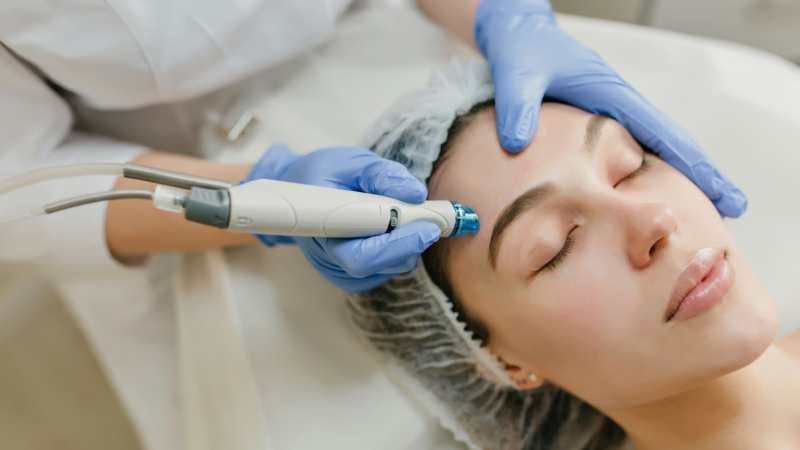
The Growing Demand for Medical Grade Skin Treatments
The Australian skincare landscape has shifted fundamentally. Consumers are moving away from superficial beauty facials and investing in clinical, results-driven dermal treatments. This shift is driven by a desire for long-term skin health, preventative care, and practitioner transparency over passing cosmetic trends.
The Growing Demand for Medical-Grade Skin Treatments
People are paying far more attention to skin health now than they did a few years ago, moving past surface aesthetics to target actual cellular conditions.
Across Sydney clinics, there is a clear surge in clients seeking targeted solutions for persistent conditions, including:
Post-inflammatory hyperpigmentation and sun damage
Deep acne scarring and structural texture issues
Chronic redness and rosacea management
Preventative, long-term skin maintenance
This shift explains why medical-grade skin treatments have become a staple of modern Australian personal care routines.
Why Australians Prefer Long-Term Results Over Quick Fixes
Traditional beauty facials often provide a temporary glow that fades within days. While pleasant, these traditional methods fail to alter skin function or address deeper structural anomalies.
Clinical vs. Traditional Treatments
The table below highlights why modern consumers are pivoting toward clinical environments for sustainable skin journeys.
| Feature | Traditional Beauty Facials | Medical-Grade Skin Treatments |
| Primary Objective | Short-term relaxation and surface hydration | Long-term correction of deep skin concerns |
| Depth of Action | Epidermal surface layer only | Dermal and deep epidermal layers |
| Equipment Used | Standard cosmetic steamers and tools | TGA-approved lasers, medical needling, peels |
| Formulations | Over-the-counter or spa-grade cosmetics | High-potency, prescriptive cosmeceuticals |
| Practitioner Tier | Beauty Therapist | Dermal Clinician or Aesthetic Nurse |
Personalised Assessment and Regional Clinical Standards
A major catalyst for this industry growth is the depth of modern skin diagnostics. Leading clinics no longer offer cookie-cutter packages. Instead, they conduct thorough initial consultations analyzing lifestyle factors, UV exposure history, systemic stress, and barrier function.
This high standard of care is particularly evident in competitive metropolitan markets. For instance, when looking at the specialised medical-grade services at this Neutral Bay laser clinic, it becomes clear that customized treatment planning and advanced diagnostic tech are now baseline expectations for educated patients.
Digital Media and Changing Visual Expectations
High-resolution photography, video calls, and social platforms have changed how Australians view their skin. Subtle texturing, early sun damage, and vascular redness are more visible than ever under natural light or high-definition lenses.
Consequently, consumers are researching advanced therapeutic interventions much earlier in life. Demand has grown exponentially for specific clinical modalities.
Targeted Clinical Modalities
Pigmentation and Sun Damage: Addressed via targeted IPL and Q-Switched laser skin rejuvenation.
Acne Scarring: Corrected through collagen induction therapy, such as medical microneedling, and fractional lasers.
Redness and Vascular Concerns: Managed using vascular lasers to coagulate dilated capillaries safely.
The Rise of Preventative Dermal Care
Rather than waiting for deep wrinkles or advanced sun damage to manifest, clients in their late twenties and thirties are booking proactive treatments. This preventative methodology aims to preserve existing collagen stores, stimulate healthy cell turnover, and protect the skin barrier before major environmental degradation takes hold.
Integrating Clinical Interventions with Home Care
Advanced clinical treatments achieve optimal results when paired with structured, prescriptive home care. Dermal clinicians now design holistic regimes where in-clinic procedures work in synergy with daily active ingredients.
Daily Broad-Spectrum SPF 50+: Non-negotiable protection to safeguard skin post-treatment in the harsh Australian climate.
Prescriptive Cosmeceuticals: Highly concentrated vitamins A, B3, and C to stimulate cellular repair.
Barrier Reinforcement: Lipids and ceramides to speed up healing and reduce downtime between clinical appointments.
Navigating the Industry: Choosing Evidence Over Hype
With skincare trends fluctuating daily on social media, Australian consumers have grown discerning. There is a healthy skepticism toward viral skincare fads endorsed by influencers without clinical backing.
When choosing a clinical partner, modern patients prioritize three core metrics:
Practitioner Qualifications: Checking for formal degrees in health science, dermal therapies, or clinical nursing.
Transparent Outcomes: Reviewing genuine, unedited before-and-after case studies rather than reliance on filtered marketing imagery.
Device TGA Registration: Ensuring all laser and energy-based devices are registered with the Therapeutic Goods Administration for safety.
Frequently Asked Questions
What exactly defines a medical-grade skin treatment?
Medical-grade skin treatments utilize clinical-strength devices and formulations regulated by peak medical bodies. These procedures penetrate deeper into the dermal layers of the skin to cause structural, long-term cellular changes, overseen by qualified dermal professionals.
Why are more Australians moving away from standard beauty salons?
Consumers want visible, lasting improvements for complex issues like sun damage, acne scarring, and redness. Standard beauty treatments only treat the topmost layer of the skin, offering temporary cosmetic hydration rather than corrective therapy.
What should I expect during a professional skin consultation?
A comprehensive consultation involves an objective analysis of your skin barrier, an evaluation of your medical history and lifestyle, and a structured discussion regarding your long-term aesthetic goals. This ensures your treatment plan is safe, targeted, and personalized.
Is it beneficial to start clinical treatments before visible signs of ageing appear?
Yes. Proactive treatments in your twenties and thirties help stimulate continuous collagen production and repair early UV damage, making it much easier to maintain healthy skin structure over time.
Final Thoughts
The evolution of the Australian skincare industry highlights a permanent shift toward clinical accountability. Consumers are more educated, highly analytical, and focused on long-term skin health over quick cosmetic fixes. By prioritizing personalized treatment plans, verified practitioner experience, and high-quality home care, individuals can safely achieve lasting, healthy skin transformation.