
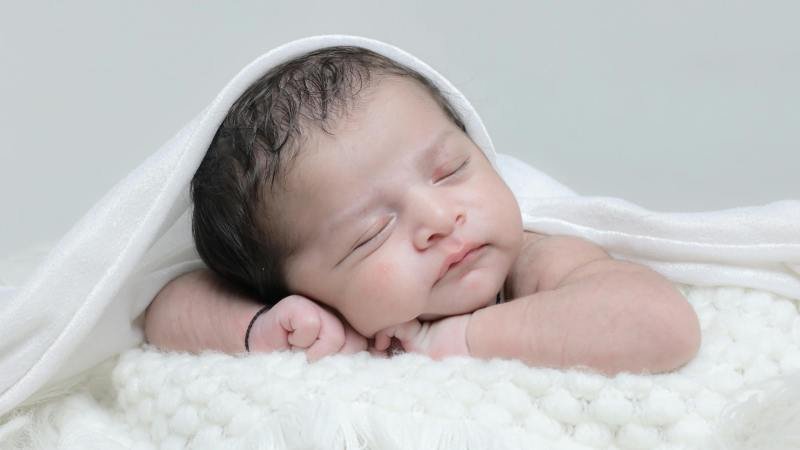
Not every baby product deserves the attention it gets. Muslin is one that genuinely does. It has been a nursery staple for generations, and that staying power is not accidental — the fabric breathes, it moves, and it does not trap heat against a baby’s skin the way synthetic materials tend to. Parents who have spent time comparing fabrics usually arrive at muslin eventually. For those already looking at organic muslin wraps, the reputation is well earned and the reasons behind it are worth understanding properly.
The Organic Difference
Conventional cotton farming is not a clean process. What goes into growing it — the pesticides, the synthetic inputs, the soil treatment — rarely makes it onto packaging. Organic certification exists specifically to address that gap. It means the cotton was grown without those chemical interventions, from the ground up. That distinction becomes a lot less abstract when the fabric in question is being pressed against a newborn’s skin through every feed, every nap, every unsettled hour of the night.
Skin-Friendly From Day One
Newborn skin is reactive in ways adult skin simply is not. It absorbs more, tolerates less, and shows irritation quickly. Persistent redness, rashes that do not seem connected to anything obvious, eczema that flares unpredictably — fabric contact is not always the cause, but it is worth ruling out. Parents who shift to organic materials often describe gradual improvement in their baby’s skin, less fussiness after prolonged contact, fewer unexplained flare-ups. It does not always happen immediately. But the pattern shows up often enough to be worth paying attention to.
They Get Softer With Washing
Most fabrics deteriorate. They start out reasonably and get progressively worse — stiffer, thinner, harder to justify using. Organic muslin wraps move in the opposite direction entirely. Each wash softens the fibres rather than breaking them down, producing a texture that feels genuinely gentle rather than simply clean. Babies notice that difference even when parents stop thinking about it. It is an unusual quality in any fabric, and it changes how families relate to washing frequency — less caution, more confidence.
Year-Round Usefulness
Getting a baby comfortable in warm weather is one challenge. Keeping them warm enough in the cooler months without overheating them is another. Most fabrics handle one reasonably well and struggle with the other. Muslin sits in a useful middle ground — the open weave allows airflow in summer, and the fabric layers efficiently under blankets without adding unwanted bulk in winter. Families rarely find themselves reaching for something else. It tends to stay in the daily rotation regardless of season, which is not something most baby products manage.
More Than Just a Wrap
The uses tend to reveal themselves gradually. A pram shade when the sun comes through at the wrong angle. A feeding cloth when nothing else is within reach. A makeshift change mat liner, a light swaddle for a short nap in an unfamiliar place. Muslin wraps adapt to whatever the moment requires, usually before a parent has finished thinking through the options. That kind of practical flexibility is rarer than it sounds in baby products, most of which occupy drawer space doing a single thing adequately.
A Gentler Environmental Step
Organic cotton farming produces less chemical runoff than conventional methods. Soil holds up better over time. Local waterways are less affected by what gets washed through the fields. For parents thinking about the broader impact of what they buy, choosing organic muslin wraps is not a dramatic statement — it is simply a more considered one. The effects are not always visible at the point of purchase, but they accumulate in ways that matter beyond any single household.
Built to Last
Cheaper fabrics show their age quickly. Pilling, thinning, that slightly sad look that makes passing something on feel like an apology. Quality muslin resists all of it. The structure holds through heavy use and repeated washing, which is why families so often find their wraps still performing well when a second child arrives. Some end up gifted to friends expecting a newborn. That kind of longevity says more about a product than most descriptions do.
Conclusion
Organic muslin wraps do not rely on clever marketing to justify themselves — the practical case is strong enough on its own. They soften with use rather than wearing out, adapt to every season without effort, and quietly serve far more purposes than their appearance suggests. For families navigating skin sensitivity in a newborn, the organic distinction carries genuine weight. For those thinking about environmental impact, it represents a considered step rather than an empty gesture. The fabric holds up in the nursery and holds up over time, which is ultimately the most honest thing that can be said about any baby product.