From Consultation to Recovery: What to Expect During Wisdom Tooth Extraction in Australia
Wisdom teeth arrive at a curious stage of life. Often emerging during the late teenage years or early adulthood, these final molars can appear just as people are establishing careers, pursuing further education and embracing greater independence. For some, their arrival passes without difficulty. For others, limited space, awkward positioning or inflammation can turn an otherwise ordinary part of dental development into a source of persistent discomfort.
Understanding what happens before, during and after wisdom tooth extraction can make the experience feel far less intimidating. In Australia, dental professionals assess each case individually, considering the position of the teeth, the surrounding structures and the patient’s overall oral health before recommending treatment. With appropriate planning and realistic recovery expectations, patients can approach the procedure with greater confidence and a clearer understanding of what lies ahead.
Understanding When Wisdom Teeth Need to Be Removed
Wisdom teeth, also known as third molars, are the last permanent teeth to emerge. They commonly appear between the ages of 17 and 25, although timing varies considerably. When there is insufficient room for them to erupt normally, they may remain partially or completely trapped beneath the gum or within the jawbone. These are known as impacted wisdom teeth.
Not every wisdom tooth requires removal. Healthy teeth that erupt fully, function properly and can be cleaned effectively may be monitored rather than extracted. However, removal may be recommended when a tooth causes repeated inflammation, decay, infection, damage to neighbouring teeth or other clinically significant problems.
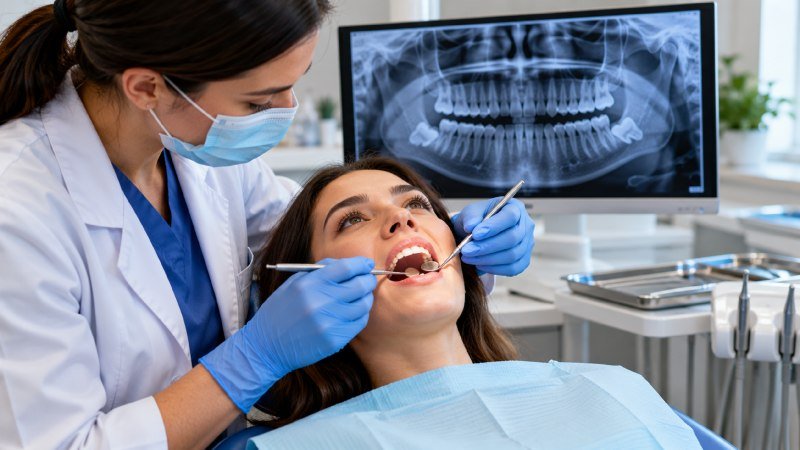
A dental consultation is the first step towards understanding the situation. Your dentist will examine your mouth, discuss your symptoms and review your dental history. X-rays may be recommended to determine the tooth’s position, assess its roots and examine its relationship with nearby structures, including nerves in the lower jaw.
This assessment helps the clinician decide whether a straightforward extraction is appropriate or whether referral to an oral and maxillofacial surgeon would be beneficial. The recommendation depends on the complexity of the case, not simply the patient’s age or level of discomfort.
Preparing for Wisdom Tooth Extraction
Preparation is an important part of a successful dental procedure. Before your appointment, your dentist should explain the proposed treatment, available anaesthesia options, potential risks and expected recovery period.
A wisdom tooth extraction may be performed under local anaesthesia, which numbs the treatment area while you remain awake. Depending on the complexity of the procedure and your individual circumstances, sedation or general anaesthesia may also be considered.
If sedation or general anaesthesia is planned, you will receive specific instructions about fasting, medications, transport and post-procedure supervision. These instructions must be followed carefully. Patients should also tell their dental team about existing medical conditions, allergies, pregnancy where relevant, and all medications or supplements they take.
It is sensible to organise a quieter day after surgery, prepare soft foods and arrange help if necessary. If you are receiving sedation or general anaesthesia, you will generally need someone to take you home and follow the clinic’s instructions about supervision.
Practical preparation can reduce avoidable stress. Knowing what to expect allows you to focus on recovery rather than making arrangements at the last minute.
What Happens During the Procedure?
The experience depends largely on whether the tooth has erupted fully or remains impacted.
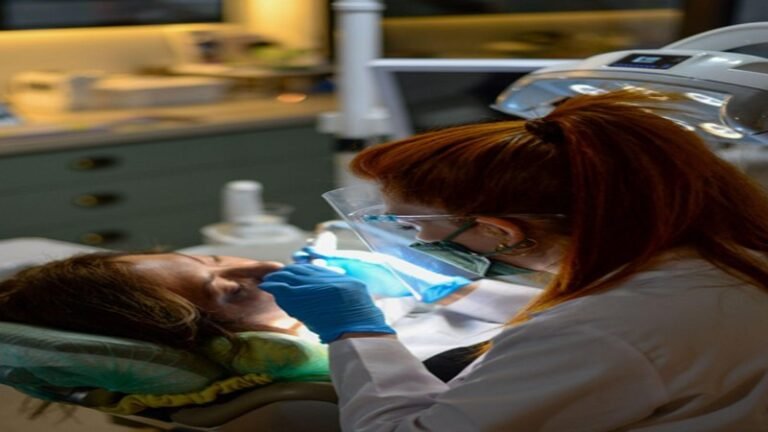
For a straightforward extraction, the dentist numbs the area and carefully loosens the tooth before removing it. When a tooth is impacted, a small incision in the gum may be necessary. In some cases, a little bone must be removed or the tooth divided into smaller sections to allow safe removal.
Although the details may sound daunting, local anaesthesia is intended to prevent sharp pain during the procedure. You may notice pressure, movement or vibration, but you should tell your clinician if you experience pain or significant discomfort so they can reassess the anaesthesia.
Once the tooth has been removed, the area is cleaned and gauze is placed over the socket to encourage a blood clot to form. Stitches may be used when appropriate, particularly if the gum has been opened to access an impacted tooth.
The length of the appointment varies with the number and position of the teeth, the complexity of the extraction and the anaesthesia used. Your dental team can provide a more realistic estimate after examining your individual case.
Recovery: Giving Your Body Time to Heal
Healing begins immediately after the extraction, but recovery is gradual. Mild bleeding or blood-stained saliva may occur during the first day. Swelling, jaw stiffness and discomfort are also common, particularly after surgical removal of impacted teeth.
During the first 24 hours, bite gently on the gauze as instructed, avoid vigorous rinsing and spitting, and do not disturb the extraction site. Avoid smoking or vaping, as these can interfere with healing and increase the risk of complications. Straws are best avoided during the initial healing period because suction may disturb the developing blood clot.
After the first day, gentle warm salt-water rinses may be recommended, along with careful brushing that avoids disturbing the socket. Follow your dentist’s specific instructions, as individual circumstances may require a different approach.
Choose soft foods such as yoghurt, mashed vegetables, scrambled eggs or lukewarm soup while chewing is uncomfortable. Drink enough water and gradually return to your usual diet as healing permits. Take prescribed or recommended pain relief according to your clinician’s directions.
Swelling often reaches its peak around 48 to 72 hours after surgery before gradually improving. Many people feel substantially better within several days, although more complex procedures can require a week or longer before normal activities feel comfortable. The socket itself takes longer to heal fully.
Recognising Complications and Knowing When to Seek Help
Most extractions heal without major problems, but knowing the warning signs is essential.
A condition called dry socket can develop when the protective blood clot is lost or breaks down prematurely, exposing underlying tissue. It commonly causes increasing pain a few days after extraction, sometimes with an unpleasant taste or smell. Your dentist can assess the site and provide appropriate treatment.
Contact your dental professional promptly if pain or swelling worsens rather than improves, you develop a fever, or you notice pus or persistent bleeding. Seek urgent medical attention if you experience difficulty breathing or swallowing, or rapidly increasing swelling.
Following aftercare instructions and attending any recommended review appointments can help identify complications early.
Making the Experience Easier Through Informed Care
The prospect of oral surgery can create anxiety, especially for patients who have never undergone an extraction. Yet when the process is explained clearly, preparation is organised and recovery instructions are understood, the experience becomes so much easier to manage.
Australian patients should ask about the expected fees, whether the procedure is performed in a dental clinic or surgical setting, available anaesthesia options and any likely out-of-pocket expenses. Costs vary according to complexity, provider, location and anaesthesia requirements. Private health insurance may contribute to eligible services, depending on the policy and applicable waiting periods.
Ultimately, wisdom tooth removal is not simply about taking out a troublesome tooth. It is about addressing a specific oral health concern while protecting the surrounding tissues and supporting a safe recovery.
With an appropriate assessment, skilled professional care and sensible preparation, patients can move through each stage with greater confidence. Understanding the journey from consultation to recovery turns uncertainty into practical knowledge, helping people make informed decisions about their oral health and return to everyday life as comfortably as possible.