How to Prepare for a Full Arch Dental Procedure
Losing multiple teeth—or facing the prospect of full tooth loss—can feel overwhelming. But modern dentistry has made it possible to restore not just your smile, but your confidence, comfort, and quality of life. A full arch dental procedure, whether it involves implant-supported dentures or a fixed bridge, is one of the most transformative treatments available today. That said, the procedure requires thoughtful preparation to ensure the best possible outcome. If you’re considering this journey, here’s everything you need to know to walk in ready—physically, mentally, and logistically.
Understanding What a Full Arch Procedure Involves
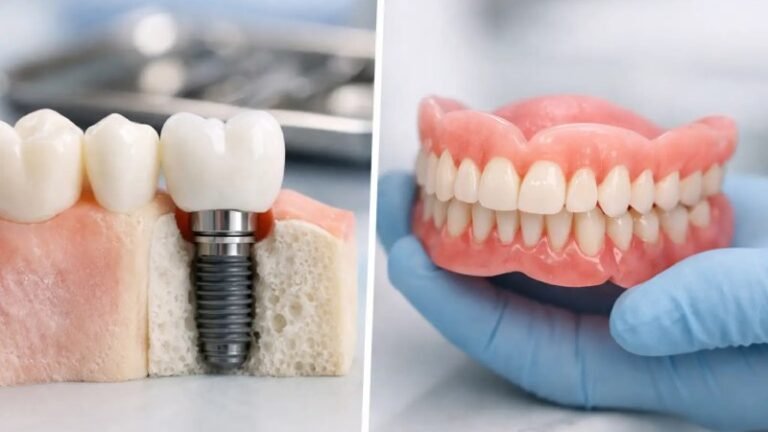
Before you can prepare effectively, it helps to understand what a full arch dental procedure actually entails. Full arch reconstruction involves replacing an entire row of upper or lower teeth using dental implants as anchors. Unlike traditional dentures that sit on the gum line, implant-supported full arch restorations are fixed in place, offering superior stability, a natural feel, and long-term oral health benefits.
Common approaches include:
- All-on-4 or All-on-6 implants: Four to six strategically placed implants support a full arch prosthetic.
- Implant-supported dentures: Removable or fixed dentures anchored by implants for improved stability.
- Zygomatic implants: Used when bone density in the upper jaw is insufficient for standard implants.
The right solution depends on your bone health, overall oral condition, and personal goals. For residents exploring full arch reconstruction options in Seattle, a comprehensive consultation with an experienced restorative dentist is the essential first step to determining which approach is right for you.
Step 1: Schedule a Thorough Evaluation
Preparation begins well before the day of surgery. Your dental team will conduct a detailed examination that typically includes:
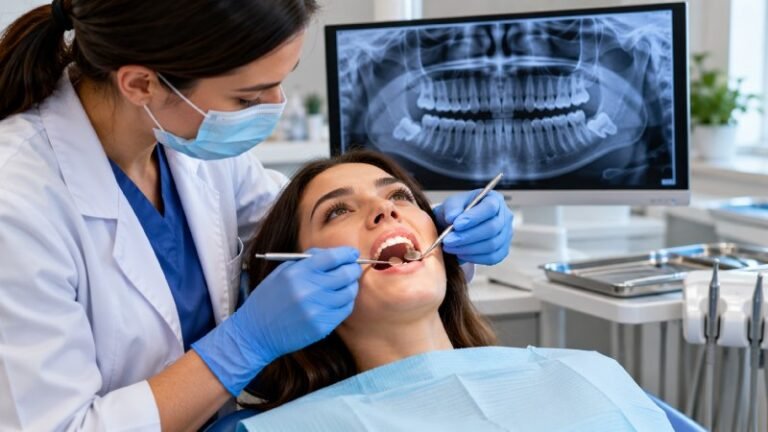
- 3D cone beam CT scans to assess bone density, volume, and anatomical structures
- Digital impressions of your mouth for precise treatment planning
- Medical history review to identify any conditions that could affect healing or implant success
- Periodontal assessment to check for any active gum disease that must be treated first
This diagnostic phase is crucial for full arch reconstruction in Seattle and elsewhere because it allows your provider to create a customized surgical plan. Be honest and thorough during this stage—your health history, including medications, supplements, and lifestyle habits like smoking, can significantly impact outcomes.
Step 2: Address Pre-Existing Health Conditions
Certain systemic health conditions can affect your candidacy for a full arch procedure or require additional management before surgery. These include:
- Diabetes: Uncontrolled blood sugar can impair healing and increase infection risk. Work with your physician to stabilize glucose levels beforehand.
- Osteoporosis: Medications used to treat bone loss (bisphosphonates) can interfere with implant integration. Discuss this with both your dentist and physician.
- Heart conditions: Some cardiac medications require adjustments around surgical procedures.
- Smoking: Smoking dramatically increases implant failure rates. Most dental teams recommend quitting at least two weeks before and several weeks after surgery.
Your dental team will coordinate with your medical providers as needed. Being proactive here is one of the most impactful things you can do to set your full arch reconstruction up for success.
Step 3: Plan for Bone Grafting If Necessary
Not everyone has sufficient jawbone density to support dental implants immediately. If imaging reveals significant bone loss, you may need a bone graft before or at the time of implant placement. This is especially common for patients who have worn dentures for many years, as bone resorption tends to accelerate without the stimulation of natural tooth roots.
Bone grafting is a routine procedure, but it does add healing time to your overall treatment timeline—sometimes several months. Understanding and accepting this early helps manage expectations and reduces frustration later.
Step 4: Prepare Your Home for Recovery
Recovery from full arch reconstruction is a gradual process that requires real preparation at home. Here’s how to set yourself up for comfort and healing:
Stock Your Kitchen
For the first several weeks after surgery, you’ll be on a soft or liquid diet. Stock up on:
- Smoothies, protein shakes, and yogurt
- Mashed potatoes, scrambled eggs, and soft-cooked vegetables
- Soups and broths (not too hot)
- Applesauce, pudding, and soft fruits like bananas
Avoid crunchy, hard, or chewy foods that could disturb the surgical sites or place stress on implants during the critical healing phase.
Set Up a Comfortable Rest Area
You’ll likely experience some swelling and discomfort in the days following surgery. Prepare a comfortable recovery space with extra pillows to keep your head elevated, ice packs to manage swelling, prescribed medications and aftercare instructions within reach, and entertainment like books, shows, or podcasts to help pass the time.
Arrange Transportation and Time Off
You will not be able to drive yourself home after the procedure, especially if sedation is used. Arrange for a trusted friend or family member to accompany you. Plan to take at least three to five days off work, though some patients prefer a full week, depending on the extent of the procedure and their individual recovery pace.
Step 5: Follow Pre-Operative Instructions Carefully
Your dental provider will give you specific pre-operative instructions in the days leading up to your full arch reconstruction procedure. These commonly include:
- Fasting: If sedation or general anesthesia is used, you’ll typically be asked to avoid eating or drinking for 8–12 hours beforehand.
- Medication adjustments: You may need to pause certain medications like blood thinners. Never stop prescribed medications without consulting your physician first.
- Oral hygiene: Brush and floss thoroughly the night before and morning of your procedure as directed.
- Clothing and comfort: Wear loose, comfortable clothing and avoid wearing jewelry or contact lenses if sedation is planned.
Following these guidelines precisely ensures the procedure goes as smoothly as possible and reduces the risk of complications during full arch reconstruction in Seattle.
Step 6: Understand the Healing Timeline
One of the most important things to prepare mentally is patience. Full arch reconstruction is not an overnight transformation. Here’s a general timeline to set realistic expectations:
- Days 1–7: Swelling, bruising, and mild discomfort are normal. Follow all aftercare instructions carefully.
- Weeks 2–6: Gums begin to heal significantly. Temporary prosthetics may be worn during this phase.
- Months 2–6: Osseointegration occurs—this is the process by which implants fuse with the jawbone. It’s the foundation of long-term success.
- Month 6 and beyond: Final restorations are placed, and you enjoy your complete, permanent smile.
Every patient heals at their own pace. Maintaining regular follow-up appointments throughout this period is essential.
Why Choosing the Right Provider Matters
Full arch reconstruction is a complex, multi-stage procedure that demands skill, experience, and advanced technology. Choosing a provider who specializes in implant dentistry and restorative care—and who uses modern diagnostic tools—can make an enormous difference in your comfort, results, and long-term success.
Take time to research providers, read patient reviews, and ask questions during your consultation. Look for a team that values patient education, communicates clearly about your options, and has a demonstrated track record with full arch cases.
Final Thoughts
Preparing for a full arch dental procedure is about more than just showing up on surgery day. It’s a journey that begins with education, continues through careful medical evaluation and home preparation, and unfolds over months of healing. When approached with the right mindset and support, full arch reconstruction can be genuinely life-changing—restoring not only your smile but your ability to eat, speak, and live with confidence.
If you’re ready to take the first step, consult with a qualified dental team who can walk you through the process from start to finish. Your new smile is closer than you think.