
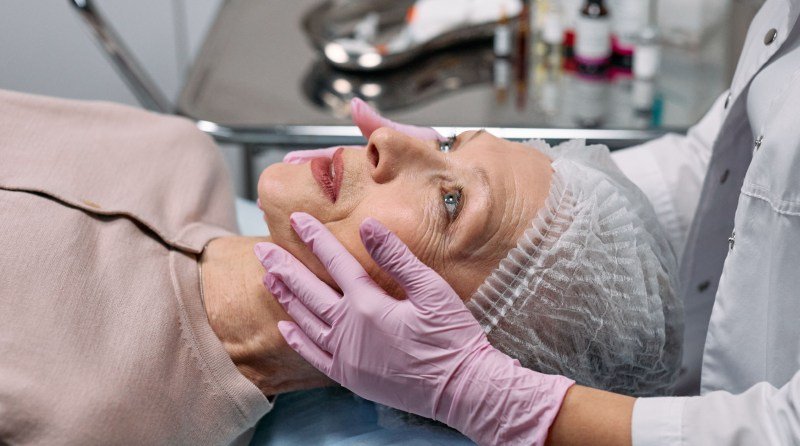
What FFS Surgery Changes
If you’re considering facial feminization surgery (FFS), one of the first things you’ll want to understand is exactly what it can change. FFS isn’t a single operation but a customizable set of procedures that soften and reshape the features most influenced by testosterone during development. In this guide, you’ll discover what each part of the face can be adjusted, how the pieces work together, and what a realistic transformation looks like — so you can picture your own journey with clarity.
The Goal of Facial Feminization
Before diving into specific features, it helps to grasp the overall aim of FFS. Rather than chasing a single ideal, facial feminization works to bring your face into greater harmony with your gender identity by softening traditionally masculine characteristics.
If you’ve been asking what is ffs and what it actually accomplishes, the short answer is this: It involves refining the facial bones and soft tissues in several areas to achieve the desired appearance create a softer, more feminine appearance that still looks entirely like you. The goal isn’t to erase your identity or fit a template — it’s to help the face in the mirror reflect the person you already are inside. Your surgeon tailors every element to your unique anatomy and goals.
Changes to the Forehead and Brow
The upper third of the face is one of the most impactful areas in feminization, because a prominent brow ridge is a strongly masculine trait. Forehead contouring reduces the bony bulge above the eyes, often called brow bossing, to create a smoother, more open upper face.
For you, this can mean a brighter, more approachable expression, since a heavy brow tends to cast shadows over the eyes. Surgeons may also reshape the forehead’s overall contour and, where appropriate, adjust the position of the brows. Together, these refinements can dramatically shift how the whole face reads, which is why forehead work is such a cornerstone of many FFS plans.
Reshaping the Hairline
Closely related to the forehead is the hairline itself. Typically, a more feminine hairline sits lower and follows a rounded, less angular shape, while a masculine hairline often recedes at the temples in an “M” pattern.
Hairline advancement or lowering can bring the hairline forward and soften those recessions, reducing the height of the forehead in the process. If you feel your forehead reads as tall or your hairline as receding, this procedure can make a noticeable difference. It’s frequently combined with forehead contouring so the two areas work in harmony, giving the upper face a cohesive, balanced look.
Refining the Nose
The nose sits at the center of the face, so even subtle changes here can have an outsized effect. Feminizing rhinoplasty typically aims to create a smaller, more refined nose that fits gracefully with your other features.
Common adjustments include reducing a dorsal hump, narrowing the bridge, refining the tip, and improving the overall proportion between the nose and the surrounding face. Because the nose is so central, surgeons often coordinate rhinoplasty with forehead and brow work, since changing one area affects how the others are perceived. The aim is always balance rather than a “done” look — a nose that simply belongs on your softer, feminized face.
Softening the Jaw, Chin, and Cheeks
The lower face carries a great deal of the face’s overall shape, and it’s another key focus of feminization. A masculine jaw tends to be wider and more angular, while a masculine chin is often taller and squarer.
Jaw contouring can slim and soften an angular jawline, and chin reshaping (genioplasty) can reduce height and round the chin’s shape for a gentler profile. Meanwhile, cheek augmentation can add gentle fullness to the midface, since fuller cheeks are associated with a more feminine appearance. Together, these changes reshape the lower face’s silhouette, often producing one of the most striking overall transformations in a full FFS plan.
Addressing the Adam’s Apple
A visible Adam’s apple (laryngeal prominence) is a feature many people wish to reduce, and a procedure called a tracheal shave, or chondrolaryngoplasty, does exactly that. By carefully reducing the prominence of the thyroid cartilage, this procedure creates a smoother, less pronounced neckline.
If the Adam’s apple is a source of discomfort for you, this relatively straightforward procedure can bring meaningful relief. Surgeons commonly include it in a comprehensive FFS treatment plan, but they also offer it as an independent procedure for those who prefer a more focused approach. As with every element of feminization, whether you choose it is entirely up to you and your personal goals.
What a Realistic Transformation Looks Like
Now that you know what is ffs capable of changing, it’s worth setting realistic expectations. FFS can produce genuinely life-changing results, but the outcome unfolds gradually as swelling subsides over weeks and months, and the final appearance often takes up to a year to fully emerge.
Importantly, FFS softens and harmonizes your features rather than replacing them — you’ll still look like yourself, just more aligned with who you are. The best results come from a personalized plan built around your unique face, which is why a thorough consultation matters so much. A skilled surgeon can tell you honestly which changes will have the biggest impact for you and how they’ll work together.
Facial feminization surgery can change many areas of the face — the forehead, brow, hairline, nose, jaw, chin, cheeks, and Adam’s apple — either individually or as a coordinated whole. What ties it all together is a single goal: helping your outward appearance reflect your true self. You’re always in control of how much or how little you pursue, and there’s no obligation to address every feature — many people choose only the procedures that feel most meaningful to them. Take time to explore your options, ask plenty of questions, and build a plan that feels right for you.
This article is for general informational purposes only and does not substitute for the advice of a qualified surgeon. Please consult a licensed medical professional to discuss your individual circumstances before making any decisions about surgery.