Understanding How Orthodontic Care Can Support Long-Term Oral Health
Maintaining optimal oral health over a lifetime requires more than routine dental check-ups. Orthodontic care plays a pivotal role in supporting long-term oral health by addressing structural and alignment issues of the teeth and jaws. Professional services provided by Sydney orthodontists at clinics like Norwest Orthodontics offer targeted treatments designed to improve both function and aesthetics, thereby preventing future dental complications.
The Role of Orthodontic Care in Oral Health
Orthodontics specialises in diagnosing, preventing, and correcting misaligned teeth and jaws. This discipline helps ensure that teeth fit together properly, which is critical for effective chewing and speaking. Misaligned teeth can lead to various oral health problems such as tooth decay, gum disease, and excessive wear on certain teeth. Orthodontic interventions aim to correct these irregularities, reducing the risk of such issues and promoting a healthier oral environment.
Benefits of Correcting Malocclusion
Malocclusion, or the misalignment of teeth and bite, can significantly impact oral health. It may cause difficulty in cleaning teeth effectively, leading to plaque accumulation and subsequent gum disease. By realigning teeth, orthodontic treatments facilitate easier cleaning, thereby reducing the risk of oral infections and decay. Moreover, proper alignment distributes the forces of biting evenly across all teeth, protecting against premature tooth wear and jaw problems such as temporomandibular joint disorder (TMJ).
Preventing Gum Disease Through Orthodontic Treatment
Orthodontic care can be instrumental in preventing gum disease. Crowded or crooked teeth create tight spaces that are challenging to clean, allowing plaque and tartar to build up. This accumulation is a primary cause of gingivitis and periodontitis. Straightening teeth improves access for brushing and flossing, promoting healthier gums and reducing the likelihood of inflammation and infection.
Improving Oral Hygiene Practices
Orthodontic treatment not only corrects physical irregularities but also encourages better oral hygiene habits. Patients tend to maintain improved cleaning routines once their teeth are aligned and easier to manage. Additionally, orthodontists provide tailored guidance on hygiene practices during and after treatment, ensuring sustained oral health benefits over the long term.
The Impact of Orthodontics on Speech and Chewing
Properly aligned teeth and jaws contribute to clearer speech and more efficient chewing. Misaligned teeth can interfere with correct pronunciation and cause discomfort while eating. Orthodontic care rectifies these issues, improving overall oral function and enhancing quality of life.
Common Orthodontic Treatments That Support Oral Health
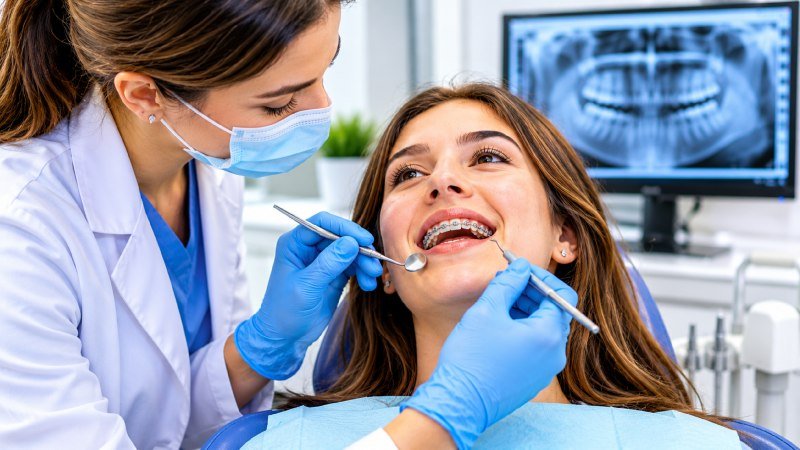
Several treatments are available to address alignment and bite issues. Braces remain a popular and effective solution for gradually moving teeth into their correct positions. Clear aligners offer a discreet alternative while providing similar benefits. Orthodontic appliances can also correct jaw discrepancies and improve facial balance. These treatments are customised to meet patient needs and maximise oral health outcomes.
Maintaining Results and Oral Health After Treatment
Post-treatment care is essential to preserve the benefits achieved through orthodontic interventions. Retainers are often prescribed to prevent teeth from shifting back to their previous positions. Regular dental visits remain crucial to monitor oral health and address any emerging concerns promptly. Continued adherence to proper oral hygiene ensures the longevity of orthodontic treatment results.
The Importance of Early Orthodontic Evaluation
Early assessment by an orthodontic specialist allows for timely intervention, which can prevent more severe problems later in life. Detecting alignment issues during childhood or adolescence facilitates simpler and more effective treatment. This proactive approach improves overall oral health outcomes and reduces the need for complex procedures in adulthood.
Addressing Common Orthodontic Concerns
Some individuals may hesitate to pursue orthodontic care due to concerns about appearance, discomfort, or treatment duration. Modern techniques have evolved to minimise these issues, offering more comfortable and aesthetically pleasing options. Consulting with experienced Sydney orthodontists provides clarity and reassurance regarding personalised treatment plans and expected outcomes.
Orthodontic Care and Its Psychological Benefits
Beyond physical health, orthodontic treatment can improve confidence and self-esteem by enhancing one’s smile. Improved dental appearance often leads to greater social comfort and personal satisfaction, which indirectly supports overall well-being.
Collaborative Care Between Orthodontists and Dentists
Optimal oral health is achieved through collaboration between orthodontic specialists and general dentists. This integrated approach ensures comprehensive care, addressing both structural alignment and routine dental maintenance, thereby safeguarding long-term oral health.
Choosing the Right Orthodontic Provider
Selecting a reputable and experienced orthodontic clinic is crucial for successful treatment. Clinics such as Norwest Orthodontics in Sydney offer advanced technologies, personalised care, and a commitment to patient education, which are essential factors for effective long-term oral health support.
Summary
Orthodontic care is a vital component in maintaining long-term oral health by correcting misalignments, improving hygiene, and preventing dental diseases. Professional services provided by committed Sydney orthodontists deliver tailored treatment plans that address individual needs and promote sustained oral wellness. Patients are encouraged to seek early evaluation and commit to maintenance protocols to fully realise the benefits of orthodontic interventions.