Worn Teeth Without Noisy Grinding: What Else Could Be Happening?
Teeth can be under strain even when nobody hears grinding. You might clench during the day, grind while asleep or have tooth wear involving acid exposure. The absence of noise does not settle the question.
A chipped edge, a change in how your teeth meet or sensitivity to cold may be what gets your attention. These changes deserve an explanation. Buying a night guard before understanding the cause can leave part of the problem unaddressed.
Clenching is easier to miss than a grinding sound
Bruxism is the term used for grinding or clenching outside normal chewing. It can happen while you are awake or asleep. Some people notice jaw discomfort, while others discover damage during a dental examination.
Clenching puts pressure through the teeth and jaw without necessarily producing an obvious sound. A partner may hear grinding at night, but having nobody report it does not rule out a problem.
Pressure during the day
Notice what your jaw is doing while you read, drive or concentrate on a task. Are your teeth pressed together? Does the area around your temples feel tired by the afternoon?
Those observations do not diagnose bruxism. They can help you explain a pattern that an examination alone may not capture.
Avoid repeatedly biting down hard to test your jaw. Record what you notice during ordinary activities instead.
Discomfort after waking
Aching jaw muscles, headaches and sensitive teeth can occur with grinding or clenching. Morning symptoms are worth mentioning, particularly if someone has noticed grinding or disturbed sleep.
However, a morning headache has other possible explanations. Describe when it happens and any associated symptoms without deciding the cause yourself.
Acid exposure can change the picture
Grinding is not the only explanation for teeth becoming shorter, thinner or more sensitive. Acid can soften and dissolve tooth structure. Everyday forces can then wear away the softened surfaces.
Food and drinks are possible acid sources. Stomach acid from reflux or repeated vomiting can also affect teeth. More than one factor may need attention, so a discussion about wear should include both dental habits and general health.
Sipping habits are easy to overlook
A drink beside your desk may last for hours. If it is acidic, frequent sipping repeatedly exposes the teeth to acid.
Tell the clinician what you drink and how you drink it. A list of brands alone may miss the habit that matters.
No added sugar does not mean no acid
Fruit juice can still expose teeth to acid when no sugar has been added. Water with lemon or lime also deserves a mention.
You do not need to cut out entire food groups based on a guess. Identify the relevant exposures with your dental team. Frequent reflux or vomiting also needs discussion with your doctor.
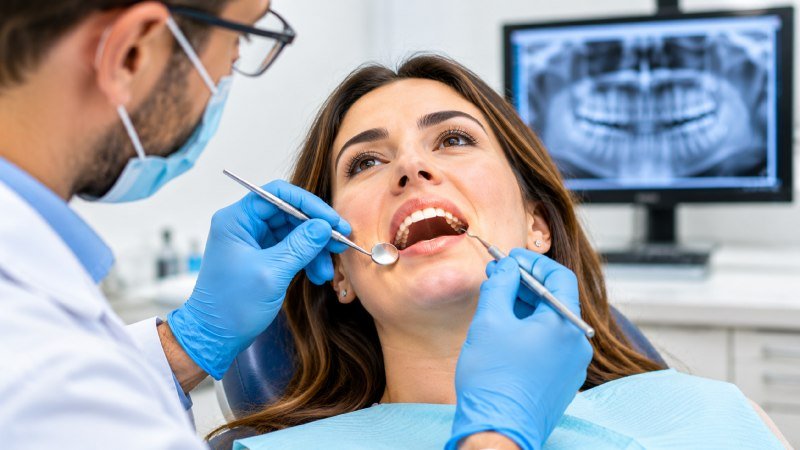
An examination should connect the wear with your history
The visible damage is only part of the assessment. A clinician may ask about jaw discomfort, sleep, food and drinks, medicines and previous dental repairs.
Mention recurring chips or fillings that have broken more than once. Bring details of any guard or splint you already use. If symptoms began after a medicine changed, include that in your history and speak with the prescriber before changing anything.
An examination may also lead to questions about sleep. Grinding during sleep can be associated with sleep apnoea. If assessment suggests a possible sleep disorder, referral to a GP or sleep specialist may be appropriate.
A macquarie dentist can examine worn surfaces, damaged restorations and other signs that may help explain the problem. The findings should be considered alongside your symptoms, rather than treating tooth wear as proof of one particular habit.
A splint protects teeth, but it has a specific job
An occlusal splint may be recommended when grinding or clenching is causing damage or discomfort. It fits over the teeth and provides protection while worn as directed.
That protection does not necessarily stop the grinding. Nor does it restore tooth structure already lost to wear. Existing damage and any contributing factors may need separate attention.
A splint is also different from a sports mouthguard. The appropriate appliance depends on the person and the reason it is needed. Not everyone who clenches requires one.
If you already have a splint, take it to your check-up. Cracks, distortion, poor fit or changes following dental treatment can affect whether it remains suitable.
Keep the next steps manageable
Before your appointment, note three things: when discomfort occurs, what changes you have noticed and whether anyone has observed grinding. Include relevant sleep symptoms and changes to your usual routine.
Keep brushing gently with fluoride toothpaste. If acidic drinks are part of the picture, avoid repeatedly sipping them throughout the day. Water is a straightforward alternative between meals.
Stress, caffeine, alcohol and certain medicines can be relevant to bruxism. Discuss which factors apply to you instead of assuming that stress explains everything. Do not stop prescribed medicine without advice.
Contact the practice if a tooth breaks or symptoms worsen while you are waiting. New changes can affect how soon an assessment is needed.
A final thought
You do not need a recording of night-time grinding to take tooth wear seriously. Quiet pressure, acid exposure and changes in your teeth are all useful parts of the history.
The aim is to understand what is happening before more damage develops. A useful plan explains what needs protecting, what may need repairing and which habits or health concerns deserve further attention.