
Can a Tooth Look Healthy but Still Have a Serious Problem?
A tooth can appear completely healthy while a dental problem develops beneath the surface. Its color may look normal, the enamel may seem smooth, and there may be no visible hole, swelling, or persistent pain. However, appearance alone cannot reveal everything happening inside a tooth, between neighboring teeth, or below the gumline.
Some dental conditions remain hidden during their early stages. Others create mild or inconsistent symptoms that are easy to dismiss. By the time visible damage or severe pain develops, the condition may have already progressed.
Understanding how hidden dental problems develop can help people recognize unusual symptoms earlier and make informed decisions about professional care.
Why a Healthy Appearance Does Not Tell the Whole Story
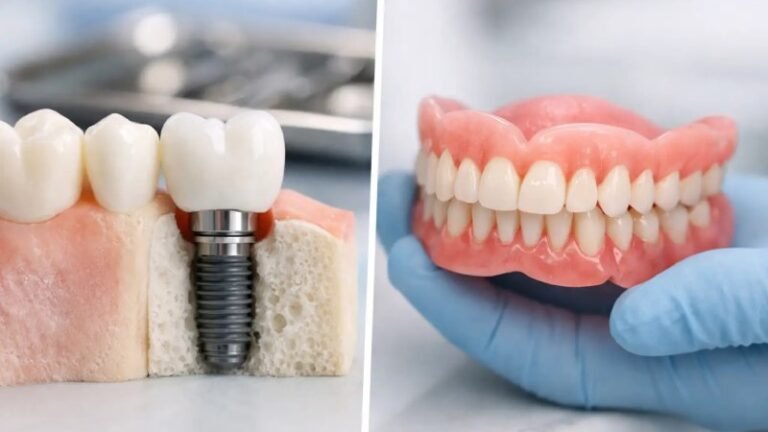
The portion of a tooth visible above the gumline is only one part of its structure. Beneath the protective enamel is dentin, followed by the inner pulp containing nerves and blood vessels. The tooth roots extend below the gums and are supported by bone, ligaments, and surrounding tissues.
A mirror cannot show what is happening within these areas.
Dental problems may begin:
- Between neighboring teeth
- Beneath an existing filling or crown
- Inside the pulp of the tooth
- Around the root
- Below the gumline
- Within the supporting bone
This means that a tooth may look white, smooth, and intact while decay, infection, cracking, or structural damage develops in an area that cannot be seen at home.
Because many dental conditions begin beneath visible surfaces, a professional examination may include a visual assessment, gum evaluation, bite analysis, and appropriate diagnostic imaging. Celebrate Dental & Braces provides dental and orthodontic care that considers the teeth, gums, bite, and supporting structures together, helping identify concerns that may not be obvious from appearance alone.
Hidden Tooth Decay Between Teeth
Tooth decay does not always begin on the front or chewing surface of a tooth. It frequently develops between neighboring teeth, where food particles and plaque may collect and where a toothbrush cannot clean effectively.
Early decay between teeth may produce no pain or visible signs. As the cavity progresses deeper into the enamel and dentin, the tooth may begin reacting to cold drinks, sweet foods, or pressure.
Even then, the symptoms may be temporary or mild.
A dentist may use examination techniques and diagnostic imaging to identify decay in areas that cannot be inspected directly. Detecting decay earlier may preserve more natural tooth structure and reduce the likelihood of the problem reaching the inner pulp.
A Crack That Is Difficult to See
Not every cracked tooth has an obvious broken edge. Some cracks are extremely narrow and may not be visible without professional lighting, magnification, or diagnostic testing.
A hidden crack may cause:
- Sharp pain when biting
- Discomfort when releasing pressure
- Sensitivity to hot or cold temperatures
- Pain that appears and disappears
- Difficulty identifying the affected tooth
The symptoms of a cracked tooth can be inconsistent because the crack may move slightly when pressure is applied. One meal may cause discomfort while another may not.
Some cracks affect only the enamel, while others extend into deeper layers of the tooth. The location, depth, and direction of the crack determine whether the tooth can be protected or whether more extensive care may be needed.
Repeated pain while chewing should therefore be professionally evaluated, even when the tooth looks completely normal.
Decay Beneath a Filling or Crown
A filling, crown, or other dental restoration can look stable from the outside while the natural tooth beneath it develops a problem.
Dental restorations experience years of chewing pressure, temperature changes, and daily wear. Over time, small gaps may develop around their edges. Bacteria can enter these spaces and contribute to new decay beneath the restoration.
Possible warning signs include:
- Sensitivity near an older filling
- Pain when chewing
- Food becoming trapped in one area
- A rough or damaged restoration edge
- An unpleasant taste near a particular tooth
- A filling or crown that feels loose
However, decay beneath a restoration may also produce no early symptoms. During routine examinations, dentists evaluate the condition and edges of existing dental work to identify signs of wear, leakage, or structural weakness.
Infection Inside the Tooth
The inner pulp of a tooth can become inflamed or infected because of deep decay, trauma, cracking, or repeated dental treatment.
The outside of the tooth may continue looking normal even when the nerves and blood vessels inside it have been affected.
Early symptoms may include:
- Lingering sensitivity to heat or cold
- Pain when biting
- Spontaneous tooth pain
- Pressure around the tooth
- Discomfort that becomes worse at night
In some cases, the pain may temporarily decrease as the nerve inside the tooth loses function. This reduction in discomfort does not necessarily mean that the problem has resolved.
An infection may continue developing around the tooth root and surrounding bone. Swelling, facial tenderness, fever, a recurring bad taste, or a small bump on the gum should be evaluated promptly.
Gum Disease Around a Healthy Tooth
A tooth can be free of cavities while still being at risk because of changes in the gums and bone supporting it.
Gum disease affects the tissues responsible for keeping teeth stable. During its earlier stages, it may cause mild redness or bleeding without significant pain. As the condition progresses, the supporting bone may gradually weaken.
The visible portion of the tooth may still appear healthy.
Possible signs of gum disease include:
- Bleeding while brushing or flossing
- Persistent bad breath
- Swollen or tender gums
- Gum recession
- Teeth that appear longer than before
- Changes in the way teeth meet
- Increasing tooth movement
Healthy enamel alone does not guarantee a healthy tooth. Long term tooth stability also depends on the condition of the gums, periodontal ligaments, and surrounding bone.
Damage From Grinding and Bite Pressure
Teeth can experience significant structural stress without developing a visible cavity.
Grinding, clenching, and uneven bite pressure may contribute to enamel wear, small fractures, sensitivity, and damage around existing restorations. A tooth may initially look healthy but become uncomfortable during chewing.
Signs of excessive bite pressure may include:
- Flattened tooth surfaces
- Small enamel fractures
- Morning jaw fatigue
- Frequent headaches
- Repeated damage to fillings or crowns
- Tenderness when biting
- Jaw clicking or muscle tightness
In some situations, the tooth where pain is felt may not be the true source of the problem. Bite pressure can affect several teeth and surrounding muscles at the same time.
A dental examination can help determine whether grinding, clenching, or an uneven bite may be contributing to the symptoms.
Why Dental Pain Is Not Always a Reliable Warning
Many people assume that a serious dental condition will always cause severe pain. However, the intensity of pain does not always reflect how advanced a problem has become.
A small issue near a sensitive area may produce considerable discomfort. A larger problem that develops slowly may remain relatively quiet.
Dental pain may also be referred, meaning the discomfort is felt in a different tooth from the actual source. Sinus pressure, jaw joint conditions, and nerve related discomfort can sometimes feel similar to tooth pain.
For this reason, attempting to identify the problem based only on pain location or intensity can be misleading.
Recurring, unexplained, or changing dental discomfort should be professionally evaluated.
What Dentists Examine Beyond the Visible Tooth
A comprehensive dental examination involves more than searching for obvious cavities.
Depending on the person’s symptoms and oral health history, a dentist may evaluate:
- Enamel color and texture
- Spaces between the teeth
- Existing fillings, crowns, and bridges
- Gum health and periodontal measurements
- Tooth mobility
- Bite alignment
- Sensitivity to temperature or pressure
- Areas of swelling or tenderness
- Changes around the tooth roots
- Supporting bone levels
- Signs of grinding or clenching
- Previous dental findings
These details help create a more complete picture of the tooth and the structures surrounding it.
Can Regular Dental Checkups Find Problems Before They Hurt?
Regular dental examinations create opportunities to identify changes before they become visible or painful. A dentist can compare current findings with previous examinations, review existing dental work, and determine whether diagnostic imaging or additional testing is appropriate.
The purpose of a dental checkup is not simply to look for cavities. It is also an opportunity to evaluate the gums, bite, restorations, tooth structure, and supporting tissues.
Access to comprehensive dental and orthodontic care in Austin can be especially helpful when symptoms are intermittent or difficult to explain. A consistent local provider can evaluate concerns such as recurring sensitivity, bite discomfort, gum changes, and damaged restorations while maintaining a clear record of changes over time.
The appropriate frequency of dental visits and diagnostic imaging differs from one person to another. Age, previous dental treatment, cavity risk, gum health, and current symptoms may all influence the recommended schedule.
When Should a Healthy Looking Tooth Be Checked?
A tooth should be examined when it produces a new, recurring, or unexplained sensation, even when its appearance has not changed.
Consider arranging a dental evaluation when you notice:
- Pain while biting
- Pain when releasing pressure
- Sensitivity that lingers after hot or cold foods
- A recurring unpleasant taste
- Swelling near a tooth
- A small bump on the gum
- Bleeding around one particular area
- A loose filling or crown
- A tooth that suddenly feels higher than nearby teeth
- A noticeable color change
- Discomfort that disappears and later returns
- Food repeatedly becoming trapped in one location
Prompt attention may be especially important when symptoms include facial swelling, dental trauma, fever, uncontrolled bleeding, or severe pain that interferes with sleeping, eating, or normal daily activities.
What Can You Do Between Dental Visits?
Daily oral care can reduce the risk of many dental problems, but it cannot identify every condition developing beneath the surface.
To support long term oral health:
- Brush twice each day with fluoride toothpaste
- Clean between the teeth daily
- Limit frequent sugary drinks and snacks
- Drink enough water
- Avoid chewing ice and other very hard objects
- Wear a mouthguard during contact sports
- Discuss grinding or clenching with a dentist
- Pay attention to changes in sensitivity
- Avoid delaying care because symptoms temporarily improve
- Attend dental examinations based on professional recommendations
Waiting for visible damage or severe pain may allow a condition to become more difficult to manage.
Frequently Asked Questions
Can a tooth have a cavity without looking damaged?
Yes. Tooth decay can develop between teeth, beneath a restoration, or in another area that is difficult to see. Early decay may not produce pain or an obvious hole.
Can a tooth infection exist without severe pain?
Yes. Symptoms vary from person to person. Pain may also change as an infection progresses. Swelling, pressure sensitivity, gum changes, and a recurring bad taste may indicate a problem requiring evaluation.
Can a cracked tooth look completely normal?
Yes. Some cracks are narrow or located in areas that are difficult to inspect. Pain during chewing or temperature sensitivity may be more noticeable than the crack itself.
Does a white tooth always mean a healthy tooth?
No. Tooth color alone cannot confirm the health of the pulp, roots, gums, bone, or areas between neighboring teeth.
Are dental X rays needed during every checkup?
Not necessarily. Dentists determine when imaging is appropriate based on age, symptoms, oral health history, risk factors, and previous findings.
Should tooth pain be checked even if it disappears?
Yes. Recurring or unexplained pain should still be discussed with a dentist. A temporary reduction in pain does not always mean that the underlying problem has resolved.
Can gum disease affect teeth without causing cavities?
Yes. Gum disease damages the tissues and bone supporting the teeth. A tooth may have no decay but still become unstable if the surrounding structures weaken.
Why does a healthy looking tooth hurt when biting?
Pain while biting may be related to a crack, inflammation, an uneven bite, grinding, infection, or a damaged restoration. A professional examination is needed to determine the exact cause.
The Bottom Line
A tooth can look healthy while decay, cracking, infection, restoration failure, or damage to the supporting tissues develops out of sight.
The absence of visible damage or constant pain does not guarantee that the tooth is problem free. Recurring sensitivity, unusual pressure, swelling, gum changes, or discomfort while biting should be professionally evaluated.
Early assessment does not automatically mean extensive treatment will be necessary. It provides clearer information about what is happening and what options may be available to protect the tooth and surrounding tissues.