
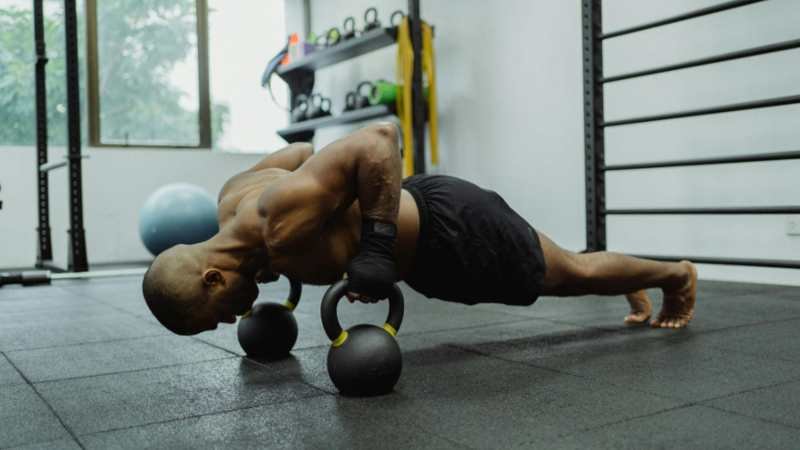
How Gym Flooring Supports Safer Strength and Cardio Training
Training hard demands more than determination and the right equipment. The surface underfoot plays a surprisingly significant role in how safely and effectively each session unfolds, yet it remains one of the most frequently overlooked elements of any gym setup. People who buy gym flooring suited to their specific training demands gain a foundation that actively contributes to performance and protection rather than simply filling space between the walls of a workout area.
Absorbing the Impact of Cardio Work
High-intensity cardio exercise places repeated, forceful stress on the lower-body joints with every movement. Running in place, jumping, and lateral shuffling all drive significant impact energy downward through the ankles, knees, and hips, and a hard or inadequate surface returns that energy directly back into the body. Specialised gym flooring absorbs a meaningful proportion of this force before it reaches the joints, reducing cumulative stress across extended training sessions and protecting against the overuse injuries that frequently develop when impact is consistently poorly managed.
Stability During Strength-Based Movements
Lifting heavy loads demands a surface that remains completely stable underfoot, regardless of how much force is applied to it. Any flex, slip, or compression beneath the feet during a squat, deadlift, or overhead press introduces unpredictable variables that compromise both technique and safety simultaneously. Dense rubber flooring provides the firm, unyielding base that strength training requires, allowing the lifter to focus entirely on the movement being performed rather than compensating for instability caused by whatever lies beneath them.
Protecting Equipment and the Structure Below
Heavy barbells and dumbbells dropped from height during demanding lifts can cause serious damage to both the weights themselves and the surface they impact. Adequate flooring thickness cushions this contact, protecting equipment from premature wear and preventing damage from transferring through to the subfloor below.This consideration becomes especially important in home gym environments, where the underlying structural surface may not withstand the concentrated forces generated by repeated equipment drops without appropriate protective material in between.
Noise and Vibration Reduction
Training areas located above other rooms or in shared residential buildings generate noise and vibration that travel through inadequately protected floors far more readily than most gym users anticipate. Thick rubber matting dampens both the acoustic and structural impacts of vigorous exercise, considerably reducing disturbance to others sharing the same building. Beyond social consideration, lower ambient noise levels within the training area itself create a more focused environment, which tends to support better concentration during technically demanding or particularly heavy lifts.
How Flooring Choices Vary by Training Style
Different workout formats place distinct demands on the surface supporting them. Yoga and stretching benefit from a slightly more cushioned, grip-friendly material that provides comfort during floor-based movements without introducing unwanted instability. Powerlifting and Olympic lifting require maximum density and minimal compression beneath the feet. Cardio-heavy formats, including circuit training and plyometric work, sit somewhere between these two extremes, requiring a surface that balances genuine impact absorption with enough firmness to support rapid directional changes safely.
Hygiene Considerations in Training Spaces
Surfaces in high-use workout areas accumulate sweat, dust, and bacteria at a rate that demands regular attention and materials that can withstand frequent cleaning. Closed-cell rubber flooring resists moisture absorption effectively, preventing the microbial growth that occurs when liquid penetrates more porous alternatives. Surfaces that clean easily and dry quickly maintain a more hygienic environment throughout heavy use, which matters both for the health of those training and for the long-term condition of the flooring material itself.
Interlocking Tiles Versus Roll-Out Options
Tile-based systems offer considerable flexibility for spaces where trainers may need to adjust the layout or where specific zones require different thicknesses for distinct purposes. Roll-out alternatives suit longer rectangular spaces and produce fewer joins, which some users prefer aesthetically and practically. Neither format is universally superior, and the right choice depends on room dimensions, training variety, and whether the installation needs to be permanent or periodically reconfigured to serve changing requirements over time.
A Considered Investment in Long-Term Training
Quality flooring does not demand replacement after a season of regular use. Well-produced rubber surfaces withstand years of demanding activity without significant deterioration, making the initial expenditure considerably more economical than it might initially appear when spread across an extended period of consistent training. A surface that protects the body, preserves equipment, and maintains its integrity through sustained heavy use is not a peripheral addition to a well-equipped training environment. It is the foundational element on which every other aspect of safe, effective exercise reliably depends.