
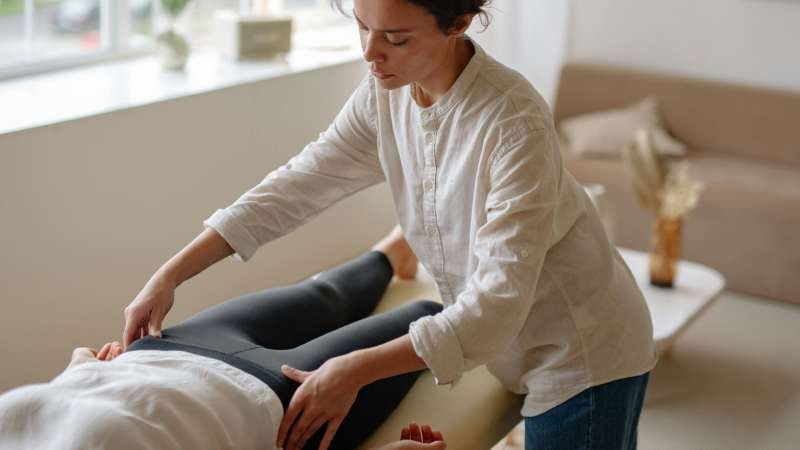
PhysioMatters Singapore for Incontinence Treatment
Urinary incontinence is a common yet often misunderstood condition that affects many individuals across different age groups. Although it is more frequently associated with women, especially after childbirth or during aging, men and younger individuals may also experience bladder control issues. In recent years, awareness surrounding urinary incontinence treatment Singapore has increased significantly as more people seek professional help to improve their quality of life.
Many individuals dealing with urinary incontinence experience embarrassment, anxiety, and limitations in daily activities.Fortunately, advances in physiotherapy and pelvic health rehabilitation have made it possible to manage bladder control issues through effective non-surgical approaches, helping individuals regain both confidence and a better quality of life.
Known for its expertise in physiotherapy and rehabilitation, PhysioMatters Singapore provides specialized care for individuals dealing with pelvic floor disorders and urinary incontinence, helping them improve function and regain control. Through personalized care and evidence-based physiotherapy techniques, patients can receive targeted support aimed at improving pelvic health and overall wellness.
Understanding Urinary Incontinence
Urinary incontinence is a condition characterized by the unintentional loss of urine, often resulting from weakened bladder control mechanisms or dysfunction of the pelvic floor muscles.The severity of symptoms can vary from occasional leaks during exercise or coughing to more frequent and urgent bladder control problems.
Common types of urinary incontinence include:
- Stress incontinence
- Urge incontinence
- Overflow incontinence
- Mixed incontinence
- Functional incontinence
Many people delay seeking treatment due to embarrassment or the misconception that bladder leakage is a normal part of aging. However, professional treatment can often significantly improve symptoms.
Causes of Urinary Incontinence
There are several possible causes of urinary incontinence. Identifying the underlying issue is essential for developing an effective treatment plan.
Common contributing factors may include:
- Pregnancy and childbirth
- Pelvic floor muscle weakness
- Aging
- Hormonal changes
- Obesity
- Chronic coughing
- Prostate surgery
- Neurological conditions
- High-impact sports activities
Pelvic floor dysfunction is one of the most common causes of bladder control issues, particularly among women after pregnancy or menopause.
Importance of Pelvic Floor Health
The pelvic floor is a network of muscles and supportive connective tissues that help hold the bladder, bowel, and reproductive organs in their proper position.These muscles help maintain continence and control urinary function.
When pelvic floor muscles become weak, tight, or uncoordinated, bladder control may be affected.
Pelvic floor physiotherapy focuses on:
- Strengthening weak muscles
- Improving muscle coordination
- Restoring proper function
- Reducing pelvic discomfort
Targeted physiotherapy exercises often help improve urinary symptoms naturally without invasive procedures.
Physiotherapy for Urinary Incontinence Treatment Singapore
Physiotherapy has become one of the most recommended conservative treatments for urinary incontinence. Pelvic health physiotherapists assess muscle function and create individualized rehabilitation programs tailored to each patient’s needs.
Treatment approaches may include:
- Pelvic floor muscle training
- Bladder retraining
- Biofeedback therapy
- Breathing techniques
- Postural correction
- Core strengthening exercises
These therapies aim to improve bladder control, reduce leakage episodes, and enhance overall pelvic stability.
How PhysioMatters Singapore Supports Patients
PhysioMatters Singapore provides physiotherapy services that focus on helping patients manage pelvic floor conditions and improve daily function.
A personalized treatment approach is especially important because urinary incontinence can have different causes and severity levels among patients.
Physiotherapists often begin with comprehensive assessments involving:
- Medical history review
- Symptom evaluation
- Pelvic floor assessment
- Movement analysis
- Lifestyle considerations
This information helps create customized rehabilitation programs designed to address each patient’s specific concerns.
Stress Urinary Incontinence
Stress urinary incontinence is one of the most common forms of bladder leakage, especially among women.
It typically occurs during activities that increase abdominal pressure, such as:
- Coughing
- Sneezing
- Laughing
- Running
- Jumping
- Lifting heavy objects
Pelvic floor muscle strengthening exercises are often highly effective for managing stress incontinence symptoms.
Urge Incontinence and Overactive Bladder
Urge incontinence involves sudden and intense urges to urinate, sometimes leading to leakage before reaching the restroom.
This condition may be associated with:
- Overactive bladder
- Nerve dysfunction
- Bladder irritation
Physiotherapy treatment may involve bladder retraining techniques designed to improve bladder control and reduce urgency episodes.
Postpartum Pelvic Health Rehabilitation
Pregnancy and childbirth place significant stress on the pelvic floor muscles. Many women experience bladder leakage after delivery due to muscle stretching and weakening.
Postpartum physiotherapy can help support recovery through:
- Pelvic floor strengthening
- Core stability exercises
- Postural rehabilitation
- Scar tissue management
Early intervention often improves recovery outcomes and long-term pelvic health.
Men and Urinary Incontinence
Although urinary incontinence is often associated with women, men may also experience bladder control issues.
Common causes in men may include:
- Prostate surgery
- Aging
- Pelvic floor dysfunction
- Neurological conditions
Pelvic floor physiotherapy can help men improve bladder control and support recovery after medical procedures.
Benefits of Non-Surgical Treatment
Many individuals prefer physiotherapy because it offers a non-invasive and drug-free treatment approach.
Benefits of physiotherapy for urinary incontinence treatment Singapore may include:
- Improved bladder control
- Reduced leakage episodes
- Better pelvic stability
- Increased confidence
- Enhanced quality of life
- Improved physical comfort
For many patients, conservative treatment may reduce or eliminate the need for surgery.
Role of Education and Lifestyle Modifications
Patient education plays an important role in pelvic floor rehabilitation.
Physiotherapists may provide guidance regarding:
- Fluid management
- Bladder habits
- Exercise techniques
- Weight management
- Posture and breathing
Small lifestyle changes often contribute significantly to symptom improvement.
Emotional Impact of Urinary Incontinence
Beyond its physical effects, urinary incontinence can also have a significant impact on a person’s emotional health and overall quality of life.
Many individuals experience:
- Embarrassment
- Anxiety
- Reduced confidence
- Social withdrawal
- Fear of accidents
Professional support and effective treatment can help patients regain confidence and improve daily comfort.
Increasing public awareness also helps reduce stigma surrounding pelvic floor conditions.
Importance of Early Intervention
Seeking treatment early often improves recovery outcomes and prevents worsening symptoms.
Ignoring bladder control problems may lead to:
- Progressive pelvic floor weakness
- Increased leakage frequency
- Reduced physical activity
- Lower quality of life
Early physiotherapy intervention allows patients to begin rehabilitation before symptoms become more severe.
Personalized Care and Long-Term Wellness
Every patient experiences urinary incontinence differently. Personalized treatment plans are essential for addressing specific symptoms, medical history, and physical needs.
Long-term pelvic health often involves:
- Ongoing exercise routines
- Strength maintenance
- Healthy lifestyle habits
- Continued physiotherapy support when needed
Maintaining pelvic floor strength contributes to better long-term bladder control and physical wellness.
Growing Awareness of Pelvic Health in Singapore
Awareness of urinary incontinence treatment Singapore continues growing as more individuals recognize the benefits of pelvic floor physiotherapy.
Healthcare providers increasingly encourage patients to seek professional help rather than viewing bladder leakage as an unavoidable condition.
Educational initiatives and specialized physiotherapy clinics help improve access to pelvic health services throughout Singapore.
Choosing the Right Physiotherapy Provider
When selecting a physiotherapy clinic for pelvic health treatment, important considerations may include:
- Experience in pelvic floor rehabilitation
- Personalized care approach
- Patient comfort and privacy
- Professional qualifications
- Evidence-based treatment methods
Working with experienced pelvic health physiotherapists helps ensure safe and effective treatment experiences.
Final Thoughts
Urinary incontinence can significantly impact physical comfort, emotional well-being, and daily confidence. Fortunately, modern physiotherapy and pelvic floor rehabilitation provide effective, non-invasive treatment options for many individuals experiencing bladder control problems.
PhysioMatters Singapore offers physiotherapy support focused on helping patients improve pelvic health, strengthen bladder control, and regain confidence through personalized care and evidence-based rehabilitation strategies.
As awareness surrounding urinary incontinence treatment Singapore continues increasing, more individuals are seeking professional support to improve their quality of life and long-term wellness. Through early intervention, education, and targeted physiotherapy, many patients can successfully manage symptoms and return to comfortable daily living.


