
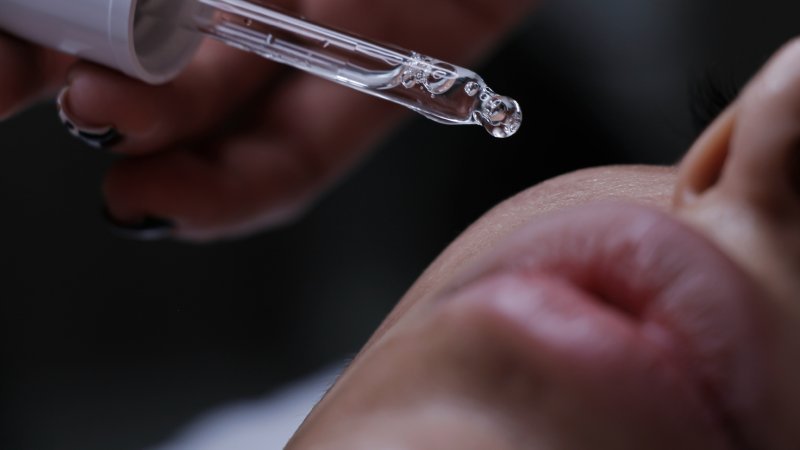
What Makes Collagen-Focused Cosmetic Treatments So Appealing to Patients
Cosmetic treatments have changed quite a lot in the way people think about them. Years ago, many patients looked for quick correction. A line softened. A fold filled. A face made to look a little fresher before an event.
Now the conversation feels different.
Patients ask more questions. They want to know how a treatment works, how natural the result may look, and how long the improvement can stay visible. They are less interested in looking “done.” More interested in looking rested, healthier, and still like themselves.
That is one reason collagen-focused treatments have become such a strong topic in aesthetic medicine. They fit into this quieter, more gradual idea of beauty. Less dramatic. More thoughtful.
Why Collagen Matters So Much in Aesthetics
Collagen is one of those words patients hear often, but the appeal is simple. It is linked to firmness, structure, and skin quality. As people age, the face slowly loses volume and support. Skin can look thinner. Cheeks may appear flatter. Lines can sit deeper.
So when a treatment is connected with collagen support, patients often see it as something closer to rebuilding rather than covering.
That matters emotionally, too.
A patient may not want a sudden change. They may want to feel that their skin is working better, that their face looks more awake, that small signs of aging are being handled with care. Treatments like Radiesse fillers often enter this conversation because clinics and patients are paying more attention to options that support structure while also fitting into natural-looking aesthetic plans.
The Appeal of Gradual-Looking Results
One major reason patients like collagen-focused treatments is the way results can feel more controlled. Not every patient wants instant volume that others can easily notice. Some want a softer timeline.
A small change first. Then better texture. Then a face that looks a little firmer in photos. That kind of progress feels safer to many people.
There is also less pressure socially. Patients do not always want friends or coworkers asking what they had done. They may simply want comments like:
- “You look well.”
- “You look rested.”
- “Your skin looks good.”
- “Did you change your skincare?”
That kind of reaction is exactly what many modern patients are after.
Patients Want Natural, Not Frozen
The beauty standard has shifted. Very visible cosmetic work no longer appeals to everyone. Patients are more cautious now. They have seen overfilled cheeks, stiff expressions, and faces that no longer match the person’s age or features.
So the goal is different.
Movement matters. Facial balance matters. The treatment should fit the person, not erase them. Collagen-focused approaches often appeal because they are discussed as part of a longer plan, rather than a one-time dramatic change.
A good clinic will look at the face as a whole. Not just one wrinkle. Not just one hollow area. The question becomes: where has support changed, and how can it be restored without making the face look artificial?
That is where patient trust starts.
The Emotional Side of Subtle Cosmetic Work
People sometimes talk about cosmetic treatments in a very technical way. Product types. Injection areas. Treatment plans. Results.
But underneath all of that, the motivation is often personal.
A patient may feel that their face looks more tired than they feel inside. Another may feel less confident on video calls. Someone else may notice that makeup no longer sits the same way. These are not always huge concerns, but they can affect daily confidence.
Collagen-focused treatments appeal because they do not always feel like a loud beauty decision. They can feel like maintenance. Like taking care of the face in the same way someone takes care of their skin, hair, fitness, or health.
Not vanity. More like alignment.
The outside catching up with how the person still feels inside.
Why Clinics Like Collagen-Based Planning
Clinics also have reasons to value collagen-focused treatments. They allow for a more strategic approach. Instead of chasing every line separately, practitioners can think about support, facial structure, and skin quality.
That creates room for better planning.
A patient may start with one concern, such as lower-face sagging or cheek volume loss. But during consultation, the practitioner may explain that the issue is connected to deeper facial support. This kind of conversation helps patients understand why treatment planning matters.
It also helps avoid overcorrection.
When the plan is gradual, the clinic can review progress, adjust where needed, and keep the final look balanced. That is better for the patient and better for the reputation of the practice.
Longer-Term Thinking Feels More Responsible
Many patients are now thinking about cosmetic care in stages. They are not waiting until changes feel severe. They are also not rushing into heavy treatment.
Want something in between.
This is where collagen-focused treatments fit well. They are often framed as part of a longer aesthetic journey. A patient may combine professional skincare, energy-based treatments, injectables, and maintenance appointments over time.
The goal is not to look twenty years younger overnight.
The goal is to age in a way that feels controlled, healthy, and realistic.
That kind of thinking feels more responsible to patients. Less impulsive. Less risky. More in line with how they already approach wellness.
Trust Depends on Education
Patients are more informed than before, but that also means they can feel overwhelmed. They read online reviews. Watch videos. Compare before-and-after photos. Ask about product names, side effects, downtime, and expected results.
Clinics that explain things clearly have an advantage.
Patients need to know what a treatment can do, but also what it cannot do. They need honest expectations. They need to understand that collagen-related improvements can take time and that results vary.
Clear education builds confidence.
Overpromising does the opposite.
A patient who understands the process is usually more comfortable. They know why the treatment was recommended. They know what to watch for. Know when to return for review. That makes the whole experience feel calmer.
The Rise of Quiet Aesthetic Choices
There is something very modern about subtle cosmetic work. Patients want improvement, but they do not always want the world to know about it.
Collagen-focused treatments match that mood.
They support the idea of looking fresher without changing identity. Give clinics a way to talk about structure, firmness, and quality, rather than only filling lines. They also give patients a sense that their treatment plan has depth.
Not rushed. Not random.
More personal.
And that is probably the biggest reason these treatments continue to attract attention. They speak to what patients really want now: natural results, careful planning, and confidence that feels believable.


