
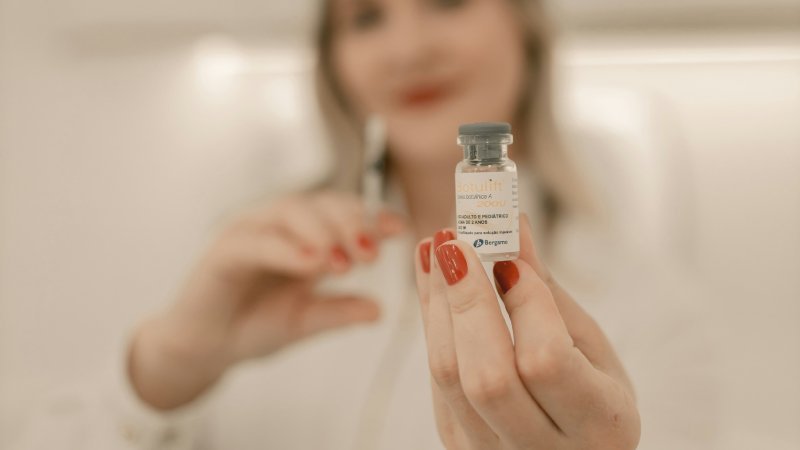
Why Botulax Products Continue to Gain Attention in Aesthetic Medicine
Aesthetic medicine keeps changing. Fast too. One year a treatment dominates conversations inside clinics, then suddenly practitioners shift focus toward something else. New techniques. New patient expectations. Different treatment planning styles. It never really stays still.
Lately though, there’s been more discussion around toxin-based products again. Not only because patients still ask for wrinkle reduction or facial balancing, but because clinics are paying closer attention to consistency, comfort during appointments, and long-term patient retention. Those things matter more now than they did a few years ago.
That is partly why many professionals continue to look into options like Botulax products when reviewing aesthetic treatment supplies and product availability. Not necessarily because trends alone drive decisions. More because clinics are trying to balance reliability, scheduling, patient expectations, and practical workflow realities all at once.
And honestly, aesthetic medicine has become far more analytical than people outside the industry realize.
Patients Are Asking for Smaller Changes
A big shift happened quietly over the last several years.
Patients stopped chasing dramatic cosmetic changes as aggressively as before. Not everyone of course, but enough to reshape how clinics approach treatments.
Now the conversations sound different:
- “I still want movement.”
- “I just want to look less tired.”
- “Can we do this gradually?”
- “I don’t want people to notice immediately.”
That changes product planning entirely.
Practitioners are no longer thinking only about isolated treatment areas. They think about facial balance, pacing, muscle activity, maintenance timing, and how results settle over time. Smaller refinements often require precision and predictability more than aggressive correction.
That’s one reason toxin-based products remain central inside aesthetic practices. They fit modern patient behavior surprisingly well.
Clinics Think About Workflow More Than People Expect
Patients usually focus on results. Clinics cannot afford to think only about that.
Aesthetic practices also think about inventory consistency, appointment flow, treatment planning, and repeat scheduling. Especially larger clinics handling high patient volume every week.
One delayed shipment or inconsistent supply issue can affect multiple appointments in a chain reaction. Staff schedules shift. Patients reschedule. Follow-up timing gets disrupted.
So practitioners often evaluate products through a much wider lens than outsiders assume.
Questions become practical:
- Is the product consistently available?
- Do practitioners feel comfortable working with it regularly?
- Does it fit existing treatment protocols?
- Can clinics maintain stable appointment planning with it?
- How predictable are patient follow-up timelines?
Those operational questions influence purchasing decisions heavily.
The Industry Became More Educated
Ten years ago many patients barely knew product names. That changed completely.
Now patients arrive at consultations already researching treatments online. Some compare products before even speaking with a practitioner. Others follow aesthetic providers on social media for months before booking appointments.
This creates an interesting situation for clinics.
Patients expect transparency. They ask more detailed questions. Sometimes very detailed. Clinics therefore spend more time discussing treatment approaches, maintenance expectations, and realistic outcomes rather than selling cosmetic procedures emotionally.
That educational shift increased pressure on practitioners to stay informed too.
Aesthetic medicine now feels closer to a continuously developing medical field rather than a purely cosmetic service category.
Social Media Changed Treatment Expectations
Not always in a good way either.
Social platforms accelerated awareness around injectables, but they also compressed expectations. People see quick transformations online and assume every treatment works instantly or permanently.
Real practice experience is different.
Practitioners often need to explain:
- Results vary between individuals
- Maintenance still matters
- Lifestyle influences outcomes
- Facial anatomy changes treatment planning
- Conservative approaches usually age better
This is where experienced clinics separate themselves from trend-focused marketing.
The better clinics usually slow patients down a little. They focus on long-term appearance rather than short-term dramatic change.
And that philosophy keeps toxin-based treatments relevant because they often fit gradual aesthetic planning better than overly aggressive correction methods.
Aesthetic Medicine Is Moving Toward “Maintenance Culture”
This is probably one of the biggest shifts happening quietly inside the industry.
Many patients no longer approach aesthetic medicine as a one-time event. They approach it more like ongoing maintenance. Similar to skincare, fitness, or hair appointments.
Not obsessive maintenance necessarily. Just structured upkeep.
That changes clinic strategy completely.
Instead of focusing only on single procedures, practitioners build longer-term treatment pathways. They think about timing between appointments, combination treatments, skin quality, muscle movement, and patient comfort over extended periods.
Products used repeatedly inside these treatment cycles naturally receive more attention from clinics.
Because long-term planning exposes inconsistencies quickly.
Practitioners Are More Careful With Facial Balance Now
One thing aesthetic medicine learned over time: overcorrection ages poorly.
Patients increasingly want natural facial movement preserved. Especially around the eyes and forehead. Frozen expressions are no longer viewed the same way they once were.
That means practitioners often work more conservatively now.
Smaller adjustments. More personalized dosing. More attention to symmetry and movement patterns.
In many clinics, consultations became longer because treatment planning became more detailed.
Providers observe:
- Muscle strength
- Facial asymmetry
- Existing movement patterns
- Previous treatment history
- Lifestyle habits
- Skin quality
It’s much more layered than outsiders usually think.
Product Availability Matters More Than Marketing
Marketing creates awareness. Clinics still care more about operational consistency.
That’s especially true in aesthetic medicine where patient trust connects directly to continuity. Patients returning every few months expect predictable scheduling and treatment availability.
If clinics constantly switch protocols because products are difficult to source, patients notice.
That’s why supply considerations became a bigger topic across the industry. Clinics increasingly evaluate suppliers, distribution reliability, and ordering processes alongside product familiarity.
For clinics comparing supplier options, it can also be useful to review where they can buy Botulax online as part of their broader product sourcing process.
The business side of aesthetics rarely gets discussed publicly, but it strongly shapes how practices operate behind the scenes.
Training and Technique Continue to Shape Outcomes
People sometimes talk about injectables as if products alone create results. That misses the bigger picture.
Technique matters enormously.
Two practitioners using the same product may approach treatment completely differently depending on:
- Experience level
- Injection style
- Facial assessment methods
- Conservative vs aggressive philosophy
- Patient communication
That’s why reputable clinics continue investing in training and education. The aesthetic field evolves constantly. Treatment mapping, facial balancing concepts, and patient expectations all continue shifting.
Clinics that stay active in education tend to adapt better as trends change.
Patients Are Looking for Subtle Confidence, Not Transformation
There’s a psychological shift happening too.
Many patients are less interested in looking dramatically younger. They simply want to look more rested, more refreshed, or slightly softened in certain facial areas.
That sounds subtle, but it changes treatment philosophy entirely.
The best aesthetic outcomes often look almost invisible to other people.
Friends might think someone looks healthier or less stressed without immediately identifying why. Many patients actually prefer that outcome now.
That softer approach keeps minimally invasive aesthetic procedures highly relevant because they fit modern preferences better than extreme transformations.
The Industry Keeps Expanding
Aesthetic medicine no longer belongs only to luxury clinics in major cities.
Smaller clinics, wellness-focused practices, and multidisciplinary providers continue entering the space. Patient demographics expanded too. Different age groups now approach treatments differently.
Some start preventative consultations younger. Others begin aesthetic treatments later in life with conservative goals.
That broader market naturally creates more discussion around products, protocols, and clinic preferences.
And because the industry itself keeps growing, attention around widely discussed aesthetic products continues growing with it.
Not because every trend lasts forever. Most don’t.
But because aesthetic medicine now operates inside a very different environment compared to even five years ago. Patients are informed. Clinics are strategic. Expectations became more nuanced. Treatment planning became more personalized.
That combination keeps certain products consistently part of the conversation inside modern aesthetic practices.


