
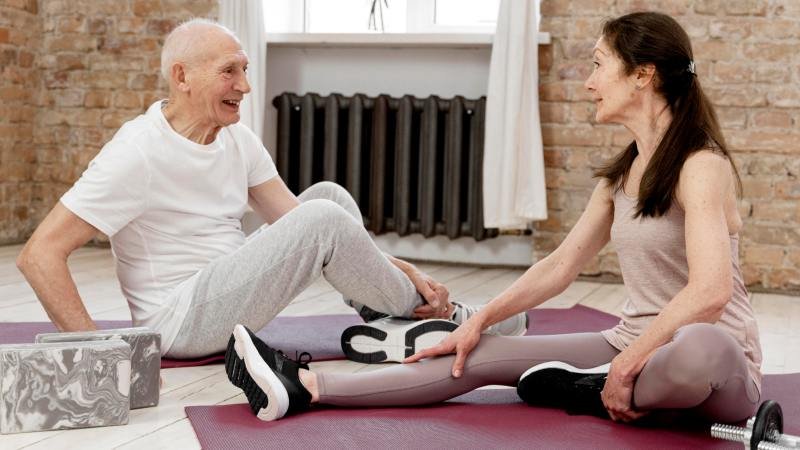
Want simple ways to stay strong and steady with age? Staying active supports strength, balance, and daily comfort at any age. Core and mobility work play a key role in safe movement and posture. Simple exercises can help the body stay steady and flexible over time.
Core muscles support the spine, hips, and overall balance. Many trainers include fitness workouts as structured exercise, which helps with stability and posture. A stronger center may help improve ease during daily tasks such as standing or reaching. Steady core work also aids in reducing strain on the lower back. Weak core muscles can affect balance and walking comfort. Gentle strength exercises support better control during movement. This support may help improve confidence during everyday activities.
Mobility Supports Joint Comfort
Mobility refers to how well joints move through a safe range. Stiff areas may limit motion and affect posture. Simple mobility drills help with joint ease and muscle flexibility. This work may help improve comfort during daily tasks.
How Gentle Motion Helps
Slow joint circles and light stretches keep muscles active. These actions support blood flow and tissue health. Consistent motion aids in reducing tightness over time. A small daily effort may help improve the range of motion.
Mobility practice does not require heavy effort. Calm and steady motion works best for beginners. Short sessions spread through the week support lasting comfort. Regular attention to joints aids in maintaining smooth movement.
Safe Ways to Start Training
Safety should guide every new exercise habit. A warm-up prepares muscles and joints for activity. Light marching in place or arm circles raise body temperature. This step helps with safer motion during the session.
Controlled pace matters more than speed or intensity. Clear breathing patterns support focus and muscle control. Short breaks between sets allow recovery. This balance may help improve endurance without excess fatigue.
Professional advice can support proper form at the start. Trained instructors help spot posture errors. Guidance aids to build confidence in each move. Safe habits support steady progress over time.
Core Exercises That Feel Manageable
Simple floor or chair-based moves work well for beginners. Pelvic tilts, seated knee lifts, and wall push-ups support gentle strength gains. These options help with muscle tone without high strain. Repeated practice may help improve posture support.
Balance drills also engage the core. Standing near a chair while lifting one foot builds stability. This method aids in training small support muscles. Slow progress supports safer balance gains. Focus should stay on form and control. Fast motion may reduce stability and benefit. Smooth effort helps muscles work in a safe way. Careful pacing aids to lower risk of strain.
Helpful Tools and Routine Tips
A few simple items can support comfort during sessions. Clear routine habits also make exercise easier to follow:
- Stable chair for seated moves
- Light resistance band for added challenge
- Supportive shoes with a good grip
- Soft mat for floor exercises
These tools support comfort and stability. Short sessions three times a week help build a routine. Rest days allow muscles to recover and adapt. A steady plan may help improve long-term results. Hydration also plays a role in joint and muscle comfort. Water supports tissue function during exercise. Light meals before sessions provide energy.
Core and mobility practice support comfort, balance, and daily function for seniors. Many trainers include fitness workouts in programs that help with posture and stability goals. Gentle effort, clear structure, and steady practice create positive results over time. Small, consistent steps lead to lasting movement confidence and better overall well-being.