

A Guide To Choosing An Inpatient Recovery Center In Paola
Looking for treatment can bring a long list of questions. One center may offer detox, while another may focus on therapy or continued support after treatment.
With several options available, it can be difficult to know which features deserve the most attention. As your search continues, having a simple way to compare programs becomes very helpful.
A clear checklist can make the process much easier. Instead of focusing only on location or facility photos, you can look at the services and support that shape your treatment experience.
Through careful review, you can learn which programs match your needs and goals. Helpful information can make your search feel more organized and focused.
This guide explains five important factors to consider when selecting an inpatient recovery center in Paola.
Clinical Support Access
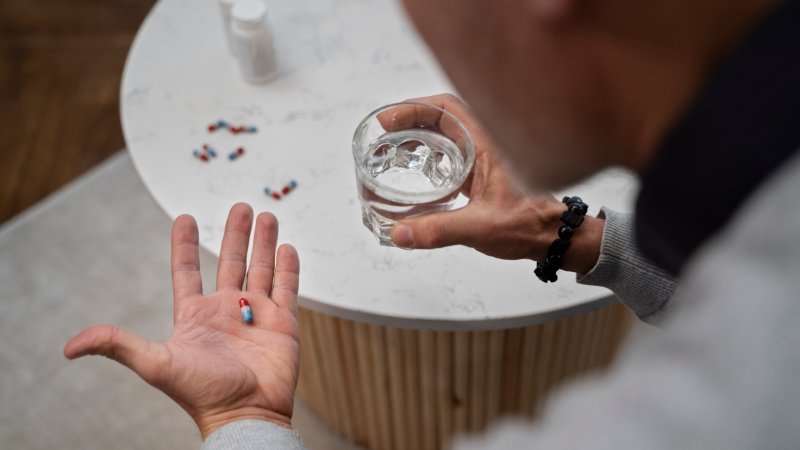
Your first step should be learning about the level of support available each day. Daily support plays a major role in helping you stay focused on treatment and personal growth. At an inpatient recovery center in Paola, structured care often includes around-the-clock clinical supervision and scheduled treatment activities.
Before making a decision, ask how support is provided throughout the day and night. Nighttime coverage can be especially important during the early stages of treatment. During those first days, medical care may help manage withdrawal symptoms in a safer and more comfortable way. Along with physical care, regular guidance can help you settle into treatment and build healthy routines.
A strong support system also creates consistency. Consistency can make it easier to focus on goals, participate in therapy, and make steady progress throughout your stay.
Personalized Treatment Focus
Every treatment journey comes with different needs and priorities. For that reason, individualized care should be part of your evaluation process. During your search, ask whether treatment plans are adjusted to fit your specific situation rather than following the exact same approach for every admission.
A personalized plan can address concerns involving alcohol, opioids, prescription medications, stimulants, marijuana, hallucinogens, or multiple substances. Beyond substance use, many programs also provide support for mental health concerns that may affect your overall well-being. When both areas are addressed together, treatment becomes more complete and balanced.
As you compare facilities, look for programs that take time to understand your goals and challenges. That attention can help create a treatment experience that feels relevant to your needs instead of generic or one-size-fits-all.
Therapy Variety Options

Support during treatment involves more than medical care. Medical care can help with physical needs, while therapy helps you build skills for daily life. A closer look at available therapies can reveal the level of support offered by a program.
Individual counseling gives you time to focus on personal goals and challenges. Those sessions can help you better understand your habits and develop new ways to handle stress. Along with one-on-one support, group therapy can help you practice communication and learn from shared experiences.
Many centers also offer specialized services such as cognitive behavioral therapy, trauma-focused therapy, educational therapy, and art therapy. Different approaches can help you learn in different ways.
Before deciding, ask how often therapy takes place and which services are part of your treatment plan. Clear answers can help you understand the level of support you will receive throughout your stay.
Campus Comfort Features
Your surroundings can shape your treatment experience each day. Each day may include therapy sessions, educational activities, wellness programs, and personal reflection time. Because you spend so much time on campus, it helps to learn about the setting and daily environment.
A comfortable environment can make it easier to stay focused on treatment goals. Treatment goals often become easier to manage when healthy activities are part of your routine. During your search, ask about fitness areas, recreation spaces, gardening programs, and other wellness-focused activities.
Activities like these give you positive ways to spend your time outside scheduled therapy sessions. Outside support sessions, healthy routines can help you stay active and engaged throughout treatment. Along with amenities, pay attention to whether the environment feels structured, welcoming, and designed to support your progress from day to day.
Continued Care Planning
Your search should include questions about life after inpatient treatment. Inpatient treatment provides an important foundation, yet long-term success often depends on the support available afterward. For that reason, continued care planning deserves careful attention.
Before choosing a center, ask what happens when residential treatment ends. End-of-program planning may include outpatient care, intensive outpatient services, medication support, sober living options, or other recovery resources. These services can help you continue building healthy habits as you move into your next stage of care.
Another helpful question involves the transition process itself. A clear plan can help you understand where to go, what support is available, and which steps come next. With guidance in place, it becomes easier to stay focused on your goals and continue the progress you worked hard to build during treatment.
Bottomline
Choosing an inpatient recovery center involves more than comparing locations or amenities. A better approach is to look closely at daily support, personalized treatment, therapy options, campus features, and continued care services. Each factor can affect your experience during treatment and the support available afterward.
Paying attention to key details can help you find the support that fits your needs. With a better understanding of these key areas, you can make a more informed decision and move forward with greater confidence in your recovery journey.