
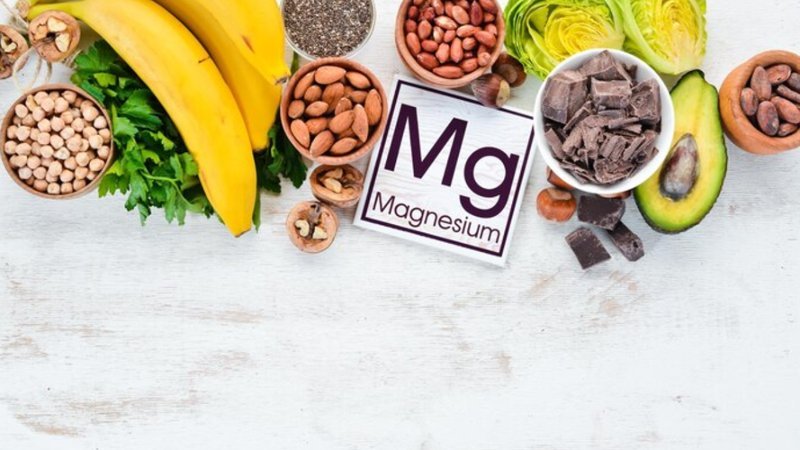
At the end of the day, most of us are simply looking to improve our physical well-being, reduce the post-workout soreness we often feel after intense exercise regimes, and also make it easier to properly handle our everyday tasks. But sometimes, especially in the hot climate of Australia, a slight help might be in order. By now, you are probably familiar with the abundance of magnesium supplements available either in the online medium or even at local nutrition shops. They are everywhere, and for good reasons.
Why Magnesium Matters for Everyday Well-Being
There are more magnesium benefits than one can properly count. Magnesium is involved in more than 300 biochemical processes all across our body; it helps regulate our muscles’ activity, it’s involved in the proper signalling of our nervous system, and it even has a role in the regulation of our blood sugar and sleep cycle. Think of any internal process that contributes to the efficiency of your daily activities and magnesium likely has a role in it. This is why magnesium deficiency, especially after working out, is so intense.
The Role of Magnesium in the Body
Magnesium plays a big role in muscle relaxation, and loss of it could result in tightness or cramps that make it impossible to continue exercise routines at maximum efficiency. Long-term magnesium advantages are not tied down to a certain internal process. Magnesium helps regulate our heart rhythm, regulates neurotransmitters, and contributes to our body’s energy levels. So, if you take magnesium supplements, you should really start to feel a bit better.
What Are the Symptoms of Magnesium Deficiency?
A Personal Experience with Low Magnesium
A couple of years ago, when I was still in college, I started to develop constant headaches that went away with painkillers, but always came back like clockwork. I actually started to feel quite stressed out about it, as my family doctor even suggested getting an MRI to rule out any potential tumour. What happened, though, was that I was suffering from a chronic case of Hypomagnesemia, as after blood screening, my serum level of Mg turned out to be 1.34 mg/dL.
When I consider all this, I realize that my symptoms were actually quite minor compared to what other people experience.I wasn’t a regular gym goer at the time, but if I were, I would’ve also probably experienced increased cramps after exercise and fatigue that felt disproportionate to the intensity of the physical activities.

Common Signs That Your Magnesium Levels May Be Low
Some people might also experience anxiety for no apparent reason, difficulty relaxing, problems falling asleep, heart palpitations, and even increased irritability.
Hypomagnesemia is not exactly rare, as it affects no less than 2% of the general population, and it’s also not always that obvious, as the symptoms associated with low levels of magnesium can easily be mistaken for other ailments.
I was, for example, prepared to pay out of pocket for an MRI because I didn’t want, at the time, to wait for the results of the blood work. Magnesium deficiency can be scary, as you know something is off, but you can’t pinpoint exactly what it is. And that’s why there are so many magnesium advantages to talk about.
How Can Magnesium Help if You Are Not an Athlete?
Magnesium plays a key role in how your body functions. However, the reality of the matter is that most magnesium advantages will become self-apparent only if you are involved in gym work or high-intensity sports. You are more likely to develop a magnesium deficiency if you sweat a lot, and the same applies to most charged minerals in your body. Many people incorrectly believe that sweat consists mainly of water and salt.
Helps with Stress, Sleep and Mental Balance
Still, even if you are not an athlete, magnesium benefits are still worth mentioning. Every day stress, poor sleep routines, excessive fatigue; all these are things that can affect you even if you spend most of your days in an AC-controlled room, and your job consists of little actual physical exertion. Magnesium plays a role in how your body produces ATP, can help you feel less agitated, and can help your muscles relax, which is important if you suffer from headaches or neck pain, since most head-area tightness is related to muscles and posture.
What Are Some Magnesium Advantages When Traveling

Travelling and magnesium advantages are pretty much interconnected.Magnesium helps the body produce melatonin; therefore, magnesium supplements can be very helpful for regulating sleep schedules.Yes, they are not a sedative or a sleeping pill. But Mg is one of the best things you can take if you are often travelling in unknown places, across multiple time zones, and your sleep schedule suffers because of it. Likewise, while travelling can be a relaxing and liberating experience that will enlarge your horizons, it can also be quite stressful.
One of the biggest magnesium benefits is related to the regulation of the nervous system. Personally, I’ve noticed that Mg supplements can drastically reduce my mental fatigue while travelling, and also make me more concentrated on the tasks at hand. Juggling multiple plane tickets and hotel reservations at once can be tiresome. So, supplements that can help with mental function are something that’s never missing from my bag, no matter how much space they require.
Magnesium Benefits Should Be Visible
Magnesium helps relax muscles, which, believe me, you really appreciate after a long day of city exploration; it can help with constipation, it’s necessary to replenish, especially if you are travelling in hot and humid places, and it’s cheap to purchase, which should make it a mandatory item in the bag of any responsible traveller.
Personally, I never go on week-long trips without having some Mg supplements with me. Magnesium benefits are simply too visible to ignore, and the effect, at least for me, is more than noticeable. Plus, because of my IBD, I have a tendency to lose more nutrients, vitamins and charged minerals than normal. So, for people like me, supplements are not really a choice as much as they are a requirement.