
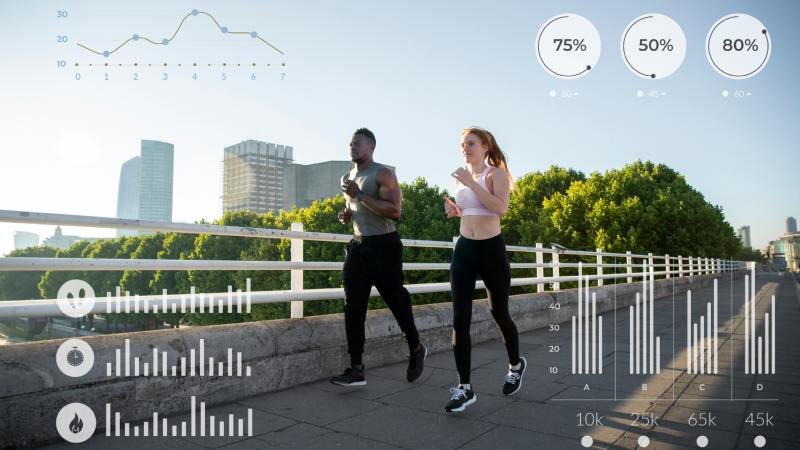
Healthcare has evolved rapidly throughout the years. What was once a field that approached treatments through a reactive model has now evolved into one that moves forward with clear and personalised approaches.
This is spearheaded by the boom of medical technology and healthcare innovations. Digital platforms and wearable devices have made it easier for patients and healthcare professionals to access accurate health metrics.
This, in turn, enables healthcare professionals to diagnose conditions faster and with greater confidence, while also helping patients determine the most effective treatment strategies for the range of symptoms they may be experiencing.
Health data pushes forward the healthcare industry in a variety of ways. Let’s take a look at how it’s changing the game more closely.
What Modern Health Tools Are Revolutionising Healthcare?
Healthcare technology has a broad range of science-backed tools that have made it easier for doctors and patients to figure out the patient’s condition and find the best pathway to treat it.
These technologies come in various forms. From collecting health data to providing patients with an organised overview of measurable health readings, many of these tools help support a wide range of positive lifestyle habits and medical processes.
Let’s take a look at some of these notable health tools.
- Digital health platforms: Digital platforms like Superpower’s health data platform help users gain unbridled access to personal health readings. Instead of a patient going to multiple different clinics and setting many appointments throughout the year for an overview of their personal health metrics, this platform consolidates medical data, lab results, and biomarker insights into one organised interface.
- Wearable health devices: Smartwatches, fitness trackers, and heart rate monitors are some innovations that have become more popular in recent years. These devices monitor key health indicators that can give users a clear picture of health trends and patterns. This can also be used by medical practitioners to identify patterns that may not be symptomatic at first glance. It also helps patients see real-time data about their lifestyle, prompting adjustments whenever necessary.
- Remote patient monitoring tools: Often shortened to RPM devices, these tools allow medical professionals to gather real-time medical data from the patient remotely. This tool transmits data in real-time to medical workers in clinics, allowing practitioners to monitor the patient’s condition while also allowing patients to stay at home. This reduces the patient’s risk of exposure through frequent in-person visits.
- Health apps: Smartphone applications are now becoming more reliable health tools that users can use to track and manage various aspects of their health and well-being. For instance, some apps can track your food intake and give diet recommendations to help you meet your health goals. There are even apps that can integrate with other smart technologies
As seen above, these modern health tools are reshaping the way the healthcare industry improves its chances of treatment success by using data to shape the patient’s lifestyle. In turn, this makes the general population healthier and more conscious of their habits.
Metrics and Data That Health Data Reveals
Data-driven wellness doesn’t just plainly determine whether a person is healthy or not. It collects quantifiable and measurable data points that give a measured view of a person’s health status at any given time.
These insights can help patients understand their body’s physiological state at a deeper level, enabling them to make informed decisions to proactively restore it to its best possible state.
Here are some data points that modern-day health tools can reveal:
- Heart rate and heart rate variability: These tools can track a person’s cardiovascular efficiency and stress levels in real time. Also helps users identify the quality of their sleep and recovery.
- Sleep patterns: This reveals the user’s sleep phase breakdown for a particular night, whether they’re in light sleep, REM, or deep sleep.
- Physical activity and calories burned: Allows users to gauge their weekly activity levels. Also allows users to see the intensity of their workout.
- Blood oxygen levels: Helps users keep track of their fatigue and respiratory health.
- Biomarker and lab data: Often taken from a blood test by health labs, this provides users and physicians with clearer insights into a person’s internal health markers. This includes, but isn’t limited to, cholesterol levels, glucose levels, hormone levels, inflammation indicators, and organ function vitals.
These targeted data points give individuals a more nuanced understanding of their health. In turn, this makes it easier for them to achieve meaningful outcomes through personalised treatment plans rather than relying on generic medical advice.
The Benefits of Getting Accurate Health Data
Many of us take for granted the heightened access to accurate, real-time health data accessible through our fingertips. But these metrics can help make healthy living a more achievable feat in more ways than one.
Here are some of the game-changing benefits of having these various health metrics within your grasp.
-
More Personalised Treatment Plans
One primary benefit of accessing more health markers through modern tools is the ability to get tailor-fit treatment plans made specifically for the patient.
When healthcare professionals gain detailed insights into symptoms and health markers, they can make a more thorough diagnosis and develop better strategies to combat the symptoms a patient may be facing.
Everyone has different physiological patterns and lifestyle habits. Personal health data markers can reveal these patterns in a comprehensive light. In turn, this can increase the odds of patients having successful health outcomes within a shorter recovery cycle.
-
Earlier Risk Detection
Another perk of having accurate health data within reach is earlier risk detection.
When health metrics are tracked consistently, even small irregularities—such as changes in heart rate patterns, sleep quality, or biomarker levels—can be identified before they develop into more serious concerns.
Patients may not immediately know the consequences of these irregularities, but medical professionals would. This gives these healthcare professionals enough time to act and intervene before the symptoms worsen, reducing the chances of more severe health risks from potentially arising and ruining the patient’s quality of life later on.
-
Improved Motivation to Care for Health
Having measurable insights into daily habits often encourages individuals to stay more consistent with their wellness routines.
With smartwatch data and phone apps empowering users with knowledge on various health markers, they’ll have a clearer idea of how their daily choices impact their overall well-being.
Seeing themselves perform well in terms of having enough deep sleep, meeting exercise requirements, and maintaining a low cholesterol level can motivate them to stay on track with their health goals. This is because they no longer have to guess their health status and are instead more accountable with their goals as they have the information to make the necessary changes.
-
Stronger Long-Term Health Planning
Access to ongoing health data also supports more sustainable long-term planning by revealing periodic patterns and trends.
This broader perspective allows both patients and healthcare professionals to refine wellness strategies that evolve alongside changing health needs.
By tracking long-term health metrics, users can identify which habits truly support their wellbeing and which ones may require adjustment. This makes it easier to set realistic goals, prevent burnout from overly aggressive routines, and build lifestyle changes that evolve alongside the user’s own health status on a day-by-day basis.
We hope that we’ve helped you understand the significance of data-driven wellness and how beneficial it can be when properly incorporated into daily life. All the best in keeping yourself healthy!