
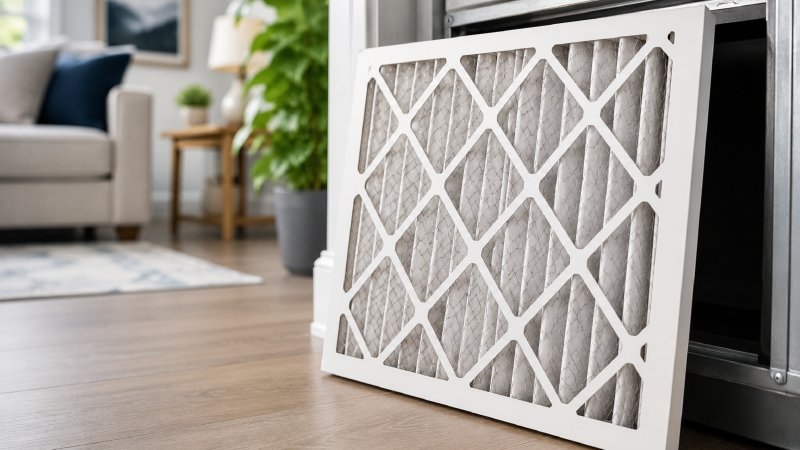
Indoor Air Quality and Asthma: How MERV Furnace Filters Can Help You Breathe Easier
For people living with asthma, indoor air quality can significantly affect daily comfort and respiratory health. While many people focus on outdoor pollution and seasonal allergens, indoor air often contains a surprising number of irritants that can trigger asthma symptoms. Dust, pet dander, pollen, mold spores, and other airborne particles can circulate throughout a home, affecting the air you breathe every day.
Fortunately, homeowners have several options for improving indoor air quality. One of the most effective and affordable solutions is to upgrade the furnace filter in your HVAC system. Specifically, filters with higher MERV ratings can help capture more airborne contaminants before they circulate throughout your living space.
Understanding how indoor air quality affects asthma and how MERV furnace filters work can help you create a healthier home environment for yourself and your family.
Why Indoor Air Quality Matters for Asthma
Asthma affects millions of people and can range from mild to severe. While medication and medical care play important roles in asthma management, environmental factors often contribute significantly to symptom flare-ups.
Common Indoor Asthma Triggers
Many asthma triggers exist inside the average home. Because people spend a large portion of their time indoors, exposure to these particles can occur continuously throughout the day.
Common indoor irritants include:
- Dust mites
- Pet dander
- Mold spores
- Pollen
- Smoke particles
- Household cleaning chemicals
- Airborne bacteria
- Fine particulate matter
When these contaminants accumulate indoors, they can contribute to airway constriction, difficulty breathing, lung irritation, and other asthma symptoms.
Why Indoor Air Pollution Is Often Overlooked
Many homeowners assume outdoor air presents the biggest threat to respiratory health. However, indoor air can sometimes contain higher concentrations of pollutants because contaminants become trapped inside enclosed spaces.
Modern homes often feature improved insulation and tighter construction, which helps improve energy efficiency but can also reduce natural air exchange. Without proper filtration and ventilation, pollutants may continue circulating throughout the home.
Long-Term Exposure Can Affect Comfort
Even when asthma symptoms remain relatively mild, continuous exposure to indoor irritants can reduce overall comfort and quality of life. Improving indoor air quality helps create a cleaner environment that supports healthier breathing and greater peace of mind.
Understanding MERV Ratings
When shopping for furnace filters, homeowners often encounter the term “MERV.” Understanding what this rating means can help you choose the right filter for your needs.
What Does MERV Mean?
MERV stands for Minimum Efficiency Reporting Value. This rating system measures a filter’s ability to capture airborne particles of different sizes.
The higher the MERV rating, the more effectively the filter can trap smaller contaminants before they move through the HVAC system and back into your home.
How the Rating Scale Works
MERV ratings generally range from 1 to 20.
Lower-rated filters primarily capture larger particles such as:
- Dust
- Carpet fibers
- Pollen clumps
Higher-rated filters can capture much smaller particles, including:
- Fine dust
- Pet dander
- Mold spores
- Smoke particles
- Certain bacteria
For homeowners concentrated on improving indoor air quality, selecting the appropriate MERV rating can make a noticeable difference.
Not Every Filter Performs the Same
Two filters may look similar on the outside but perform very differently. The filter’s material, construction, and MERV rating all influence how effectively it removes airborne contaminants.
Choosing the right filter involves balancing filtration performance with your HVAC system’s airflow requirements.
How MERV Furnace Filters Improve Indoor Air Quality
A properly selected furnace filter works continuously whenever your HVAC system operates. This ongoing filtration process can significantly improve indoor air quality over time.
Capturing Airborne Allergens
One of the primary benefits of higher-MERV furnace air filters involves their ability to trap common allergens before they circulate throughout the home.
As air moves through the HVAC system, the filter captures particles such as pollen, dust, and pet dander. This reduces the concentration of irritants in the indoor environment.
For individuals with asthma, fewer airborne allergens may contribute to improved comfort and fewer respiratory triggers.
Reducing Fine Particles
Many asthma triggers are extremely small and difficult to see with the naked eye.
Higher-MERV filters can capture fine particulate matter that lower-rated filters may miss. These microscopic particles often remain suspended in the air for extended periods, increasing the likelihood of inhalation.
By removing more of these particles from circulation, higher-quality filters help create cleaner indoor air.
Supporting Cleaner HVAC Systems
Improved filtration benefits more than just indoor air quality. It can also help keep HVAC components cleaner.
When dust and debris accumulate inside ductwork, blowers, and coils, they may continue circulating throughout the home. Effective filtration reduces this buildup and supports overall system cleanliness.
Choosing the Right MERV Rating for Asthma
While higher MERV ratings generally provide better filtration, choosing the highest available rating is not always the best solution.
MERV 8 Filters
MERV 8 filters provide basic filtration and are commonly found in residential HVAC systems.
They effectively capture:
- Dust
- Lint
- Pollen
- Larger airborne particles
While they offer some protection, they may not capture enough smaller particles to significantly improve indoor air quality for people living with asthma.
MERV 11 to MERV 13 Filters
Many HVAC professionals recommend MERV 11-13 filters for households concerned about allergies and asthma.
These filters can capture:
- Fine dust
- Pet dander
- Mold spores
- Smaller allergen particles
For many homes, this range offers an excellent balance between filtration performance and proper airflow.
Consult an HVAC Professional
Not every HVAC system can accommodate higher-MERV filters.
Filters that are too restrictive may reduce airflow and place additional strain on the system. An HVAC professional can evaluate your equipment and recommend a filter that supports both air quality and system performance.
Additional Ways to Improve Indoor Air Quality
While MERV furnace filters can play an important role in improving indoor air, they work best as part of a comprehensive approach.
Replace Filters Regularly
Even the best furnace filter loses effectiveness when it becomes clogged with debris.
Inspect your filter regularly and replace it according to the manufacturer’s recommendations. Homes with pets, high dust levels, or asthma concerns may benefit from more frequent replacements.
Clean Frequently
Routine cleaning helps remove dust and allergens before they become airborne.
Focus on:
- Vacuuming carpets
- Dusting surfaces
- Washing bedding
- Cleaning upholstery
- Reducing clutter
These simple habits can complement your filtration efforts.
Consider Air Purification Solutions
In some cases, homeowners may benefit from additional air-purification technologies, such as whole-home air cleaners or portable HEPA filtration units.
Combining multiple air-quality strategies often produces the best results for asthma management.
Conclusion
Indoor air conditions can have a major impact on forming a relaxed and healthy environment for people with asthma. Everyday contaminants such as dust, pollen, pet dander, and mold spores can contribute to respiratory irritation and trigger symptoms when allowed to circulate throughout the home.
MERV furnace filters offer an effective way to improve indoor air quality by catching many of these airborne particles before they spread through your living spaces. By selecting an appropriate MERV rating, replacing filters regularly, and maintaining your HVAC system, you can take meaningful steps toward cleaner air and improved comfort.
While no single solution can eliminate every asthma trigger, a high-quality furnace filter can be an important part of a broader strategy to support healthier indoor air and help your family breathe easier year-round.


